
New Door Installation in Cedar Grove
New Garage Door Installation for Cedar Grove Homes
Cedar Grove homes date to a 1958 median build year, mostly with original single-layer doors. We install new doors built for that hardware, from our Wayne shop 5 miles out.
- Licensed & Insured
- Same-Area Service Calls
- Upfront Pricing
What Happens When You Call
-
1
Call or Request a Quote
Tell us what the door is doing and roughly how old the house is - that alone points us toward the likely part before a truck leaves.
-
2
On-Site Diagnosis
A tech checks the spring, cables, tracks, and opener in person and tells you plainly what is actually wrong.
-
3
Straight Price, No Surprises
You get a number before any work starts. It covers parts and labor, nothing added after the fact.
-
4
Fixed the Same Visit
Most repairs are done in one trip. If a part needs sourcing, we tell you that upfront instead of guessing.
The Symptom
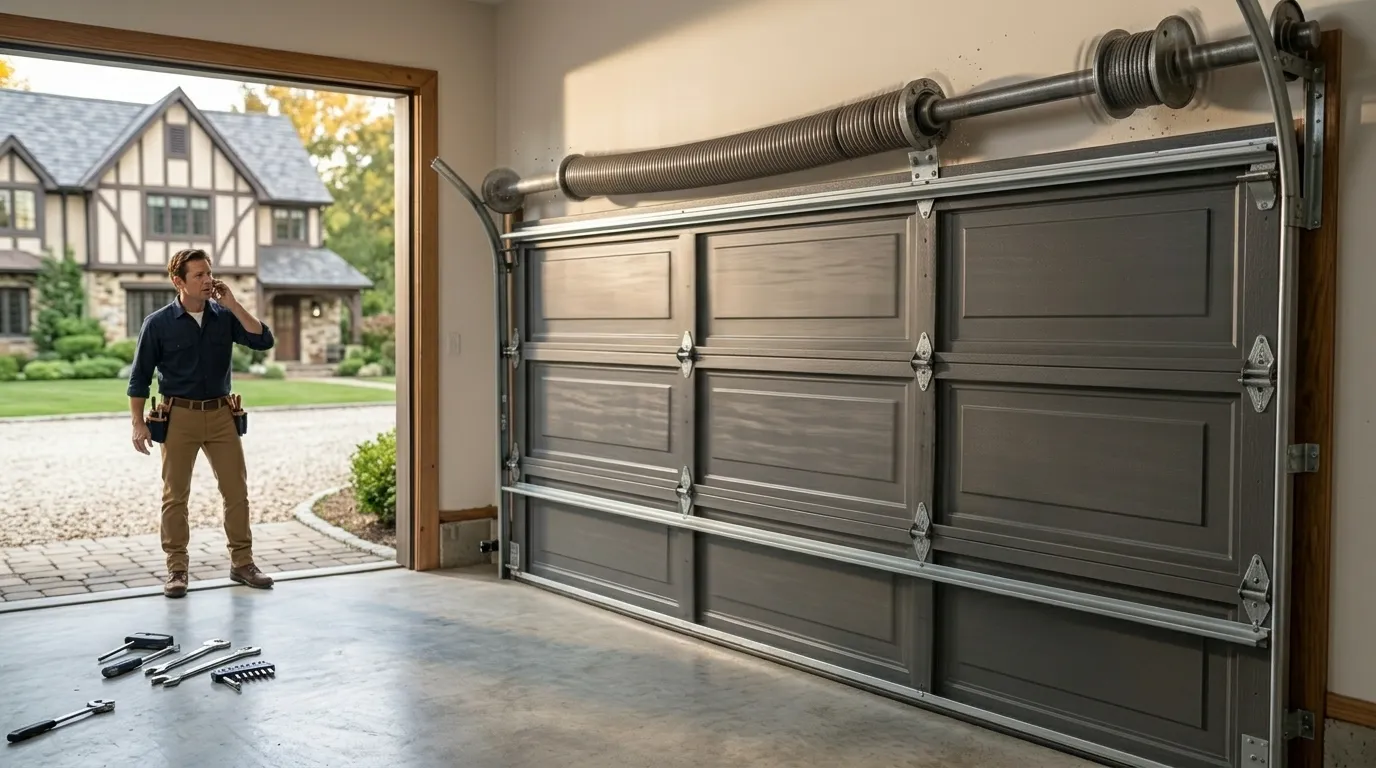
The call we get from Cedar Grove is almost always the same: a door that's grown heavy in the last year or two, sagging at the bottom corner, or one that opens fine but slams the last six inches on the way down. Homeowners assume it's the opener.
Usually it isn't. It's the door itself - a single layer of steel from an era before insulation was standard, and it's finally warped enough that the track and rollers are fighting it every cycle.
Cedar Grove's housing stock has a median build year of 1958, which puts a lot of these homes right in the window when garage doors were framed for hardware nobody makes new anymore - narrow track, lightweight torsion springs sized for a door half as heavy as its modern replacement. When that original door finally gives out, the fix usually isn't a repair. It's a new door sized and sprung correctly for the opening you actually have.
Why It Happens Here
A door built in 1958 wasn't designed to last 65 years - it was designed to last as long as the house needed it to, and steel doesn't care about anniversaries. What it does care about is repeated freeze-thaw cycling.
This is a cold-climate area with real seasonal swings, and a door that's warped even slightly will bind worse every winter as the metal contracts, then loosen again in spring. That cycle accelerates wear on rollers and hinges that were already at the end of their service life.
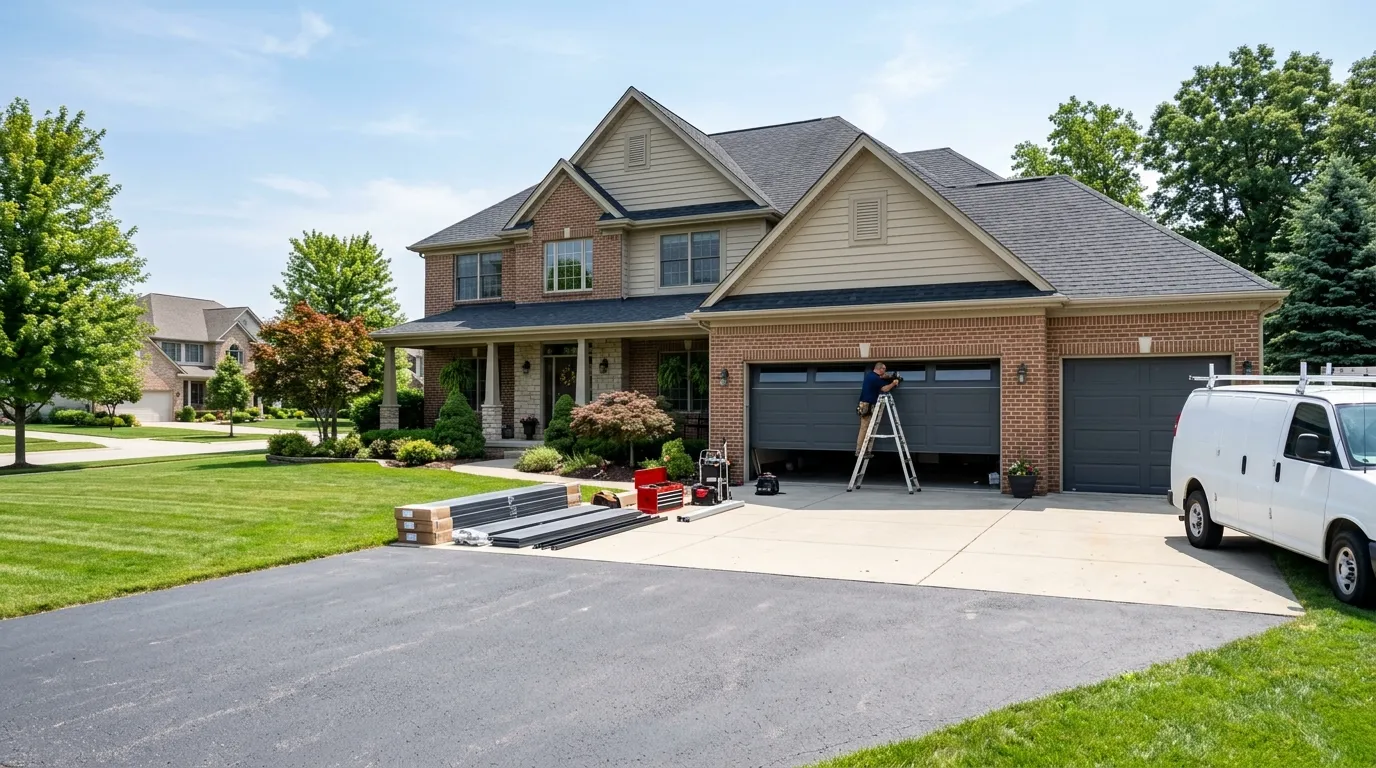
We also see a lot of homes in Cedar Grove where the original single-panel or early sectional door was never swapped out, just patched - a new roller here, a bent panel hammered flat there. That buys a season, not a decade. Past a certain point, the frame and track are tired enough that a new door install is the only thing that actually resets the clock, rather than another round of patchwork on hardware from the Eisenhower administration.
The Complications
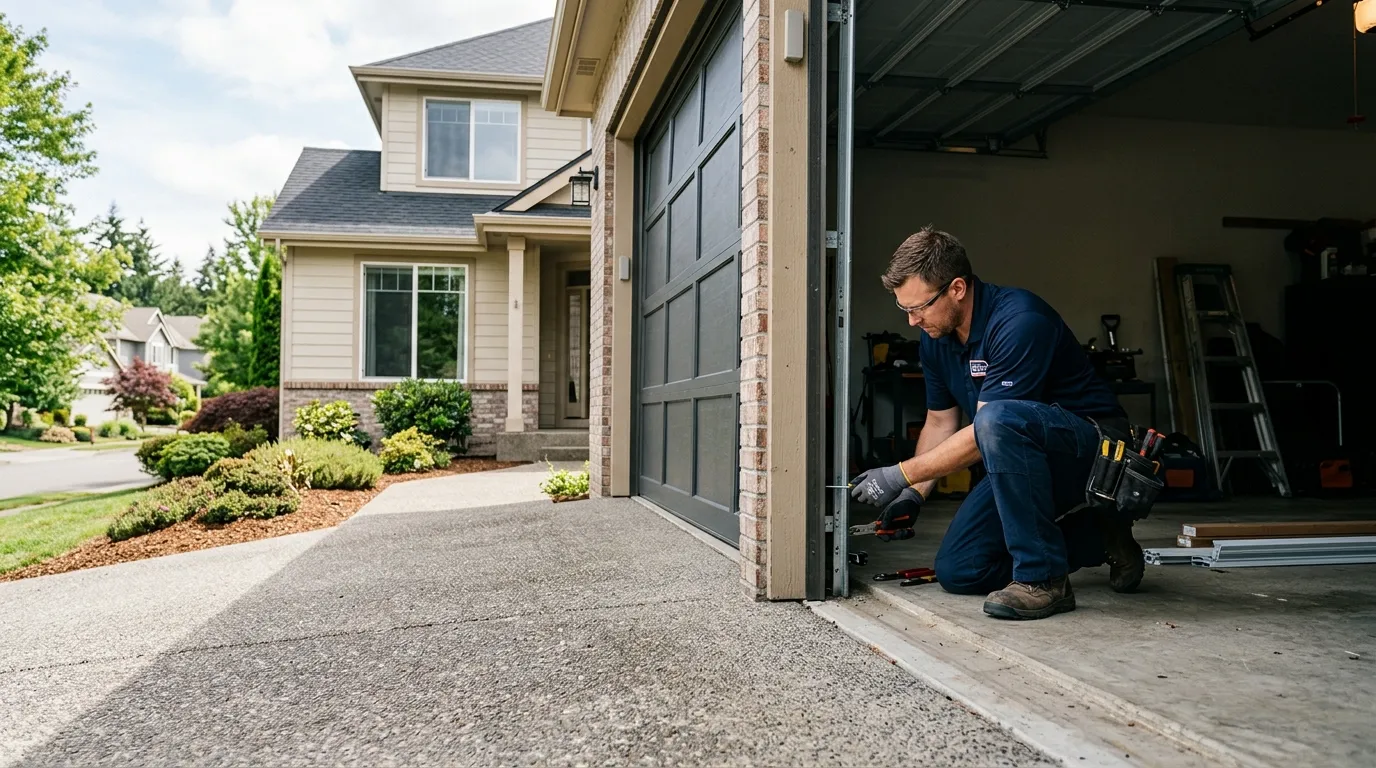
The complication in a town like Cedar Grove isn't usually the door - it's the opening. Houses built around 1958 often have openings that don't match today's standard door sizes by an inch or two in width or height, framed with lumber that's shrunk or shifted over six decades. A new door has to be built or trimmed to fit that actual opening, not the catalog size.
We also run into original track mounted to masonry or old-growth framing that won't take modern fasteners the same way. None of this is unusual for a house from this era - it's just work that has to be planned before the door shows up, not discovered halfway through the install. Cedar Grove's income levels tend to support a full insulated door rather than a bare steel replacement, and for a cold-climate area that's usually the better long-term call, since an uninsulated door in this climate band keeps moving and stressing the same hardware all over again.
What the Repair Takes
Installing a new door on an opening this age starts with measuring the actual frame, not trusting what's on a permit from 1958. We check the header height, the track path against the ceiling and any obstructions, and the condition of the jambs the new track will bolt to. If the framing's soft or shifted, that gets addressed before the door goes in - otherwise the new door inherits the same problem the old one had.
From there it's a full swap: old door and track out, new insulated sectional door and correctly sized torsion spring in, opener bracket reset to the new door's weight if you're keeping your existing opener. On a house from this era, we're usually also replacing the bottom bracket and end hinges rather than reusing anything original - the metal's fatigued even if it looks fine. We travel the 5 miles out from Wayne for these jobs; we don't keep a branch or crew stationed in Cedar Grove itself, so installs are scheduled trips, not walk-ins.
The DIY Question
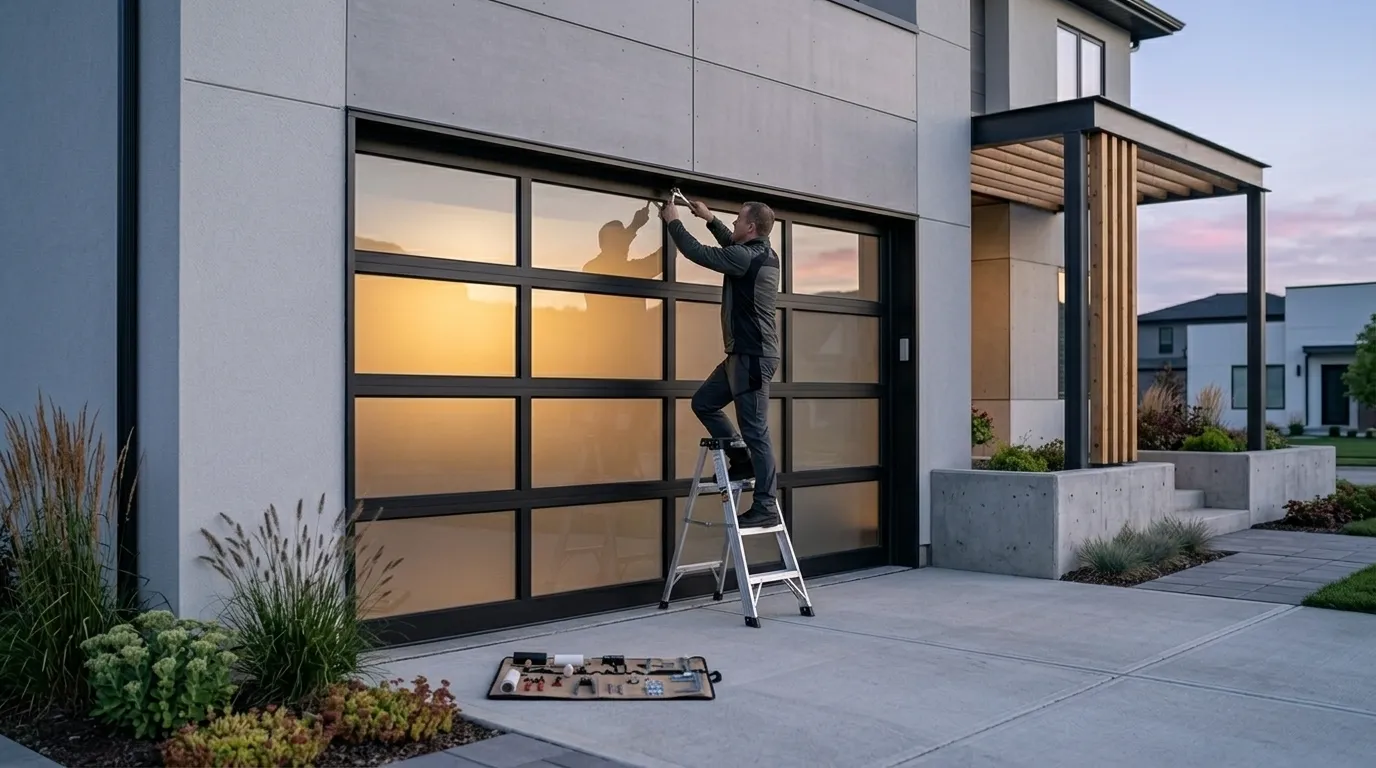
A torsion spring on a door this size stores enough energy to break a bone or worse if it lets go while you're working near it, and on a 1958-era opening the spring is often undersized or mismatched for whatever door replaced the original over the years - which means even the size stamped on the old spring may not tell you what's actually on the door. That's the one we won't talk anyone through over the phone.
What you can reasonably do yourself: clear the opening, take rough measurements of width and height, and note whether your opener is original to the house or a later replacement - that saves time when we come out to install. Painting or staining a new door to match trim is fine DIY territory too. The door itself, the spring, and the track - leave those to the install crew.
What Is on the Truck
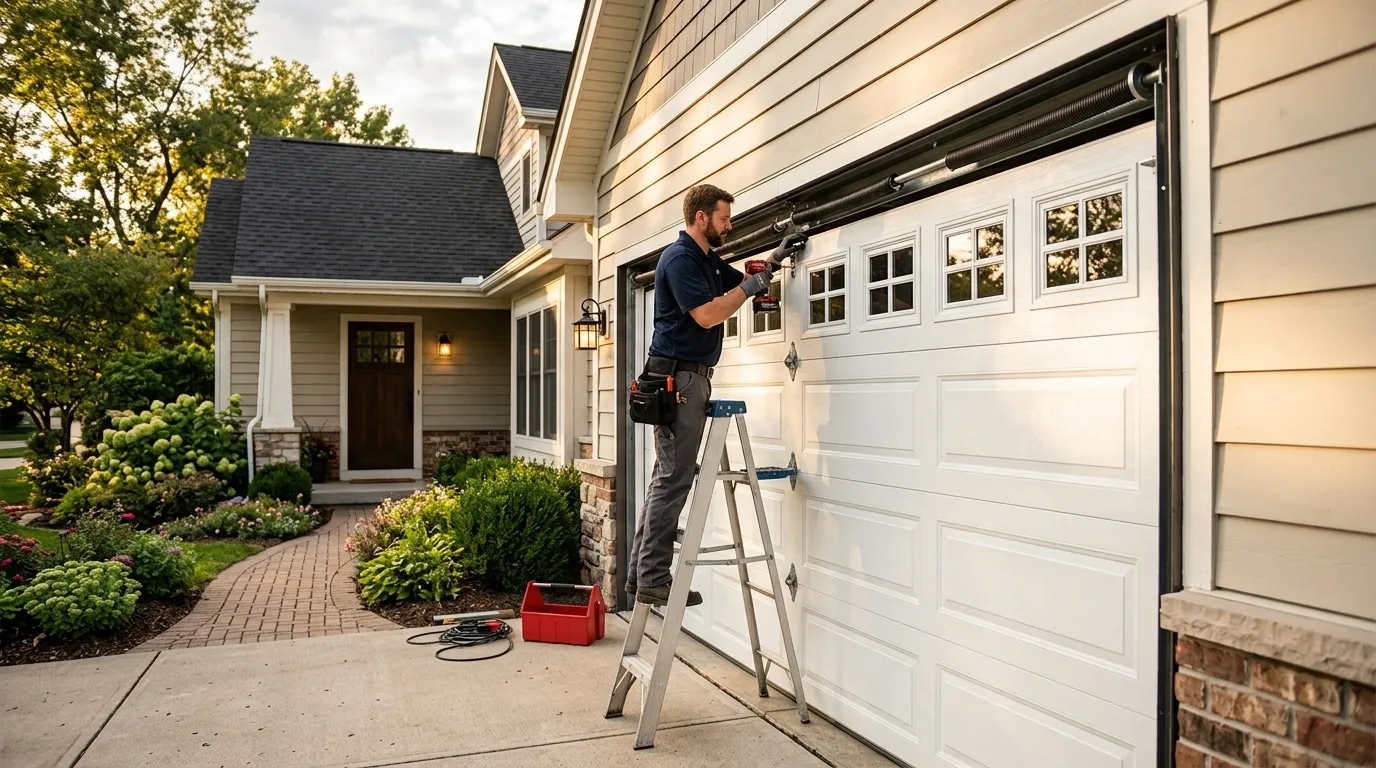
For a Cedar Grove install we bring insulated sectional doors sized for openings common to homes built in this era, along with torsion springs rated for the heavier door rather than the light original spring these houses were built with. We carry standard track hardware, but if your opening has non-standard framing from the 1958 build we'll confirm sizing before the door leaves the shop rather than showing up with a guess.
One honest limit: if your opening needs custom millwork or masonry repair beyond standard track mounting, that can push out the timeline, since it's not something we stock pre-cut on the truck. We'll tell you that at the estimate, not after the door's already off the hinges.
Talk to a Cedar Grove Technician First
Describe what the door is doing and get a straight answer on what it likely needs.
Other Garage Door Services in Cedar Grove
Recent Work in Cedar Grove
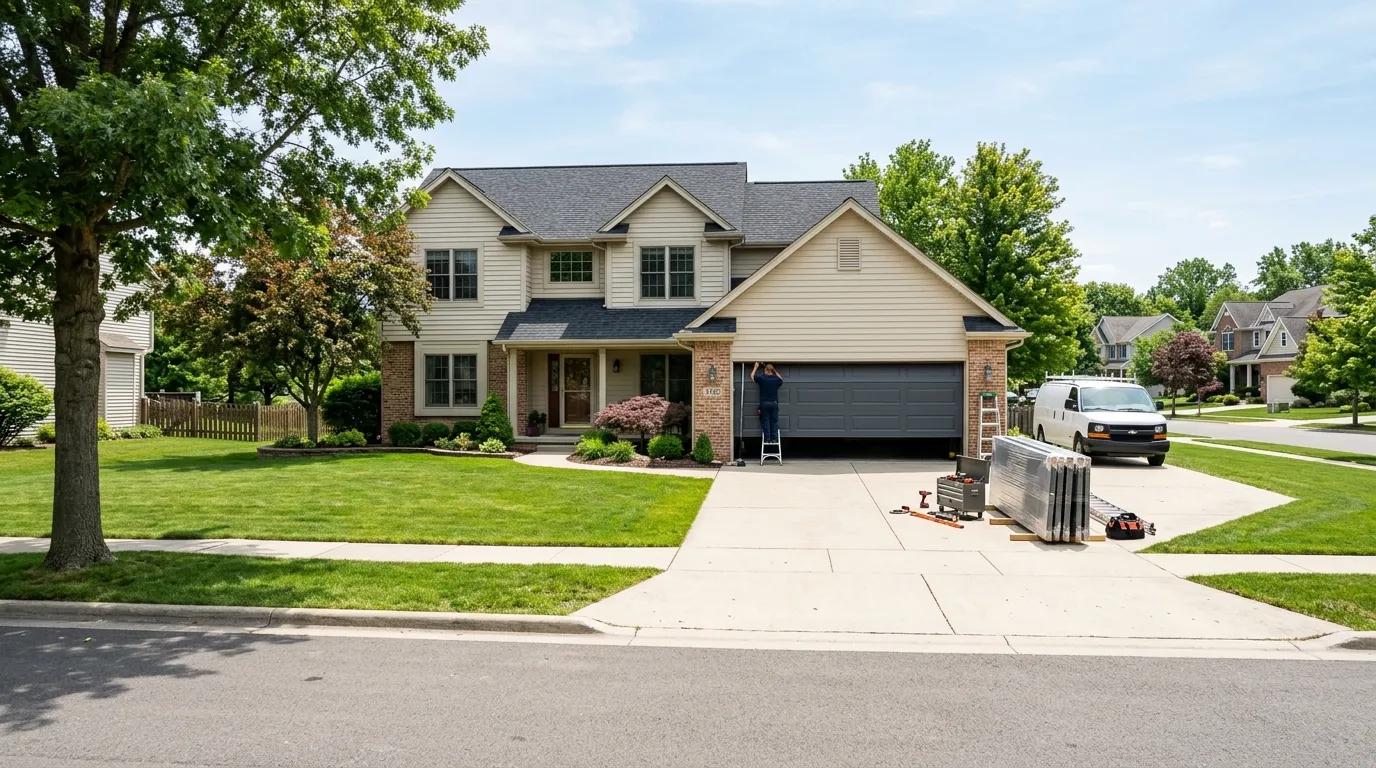
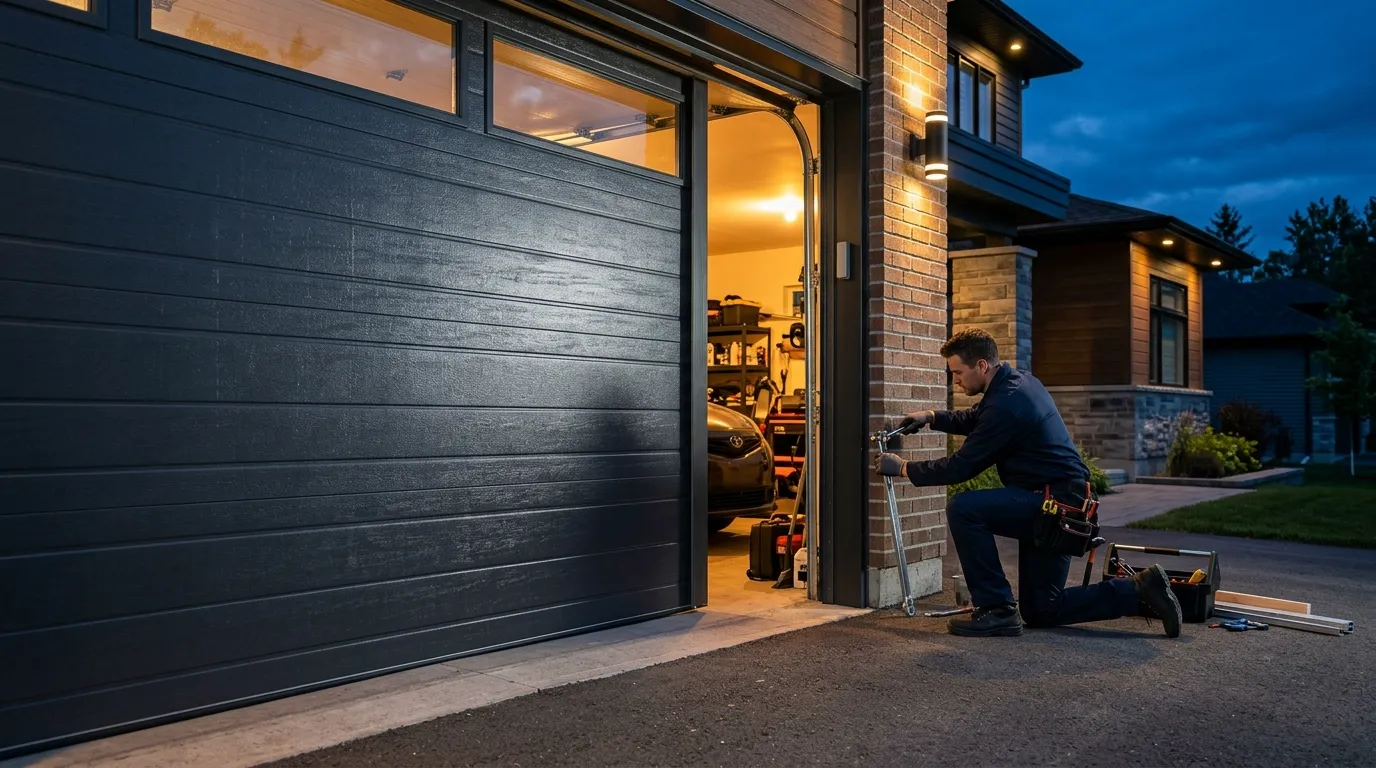
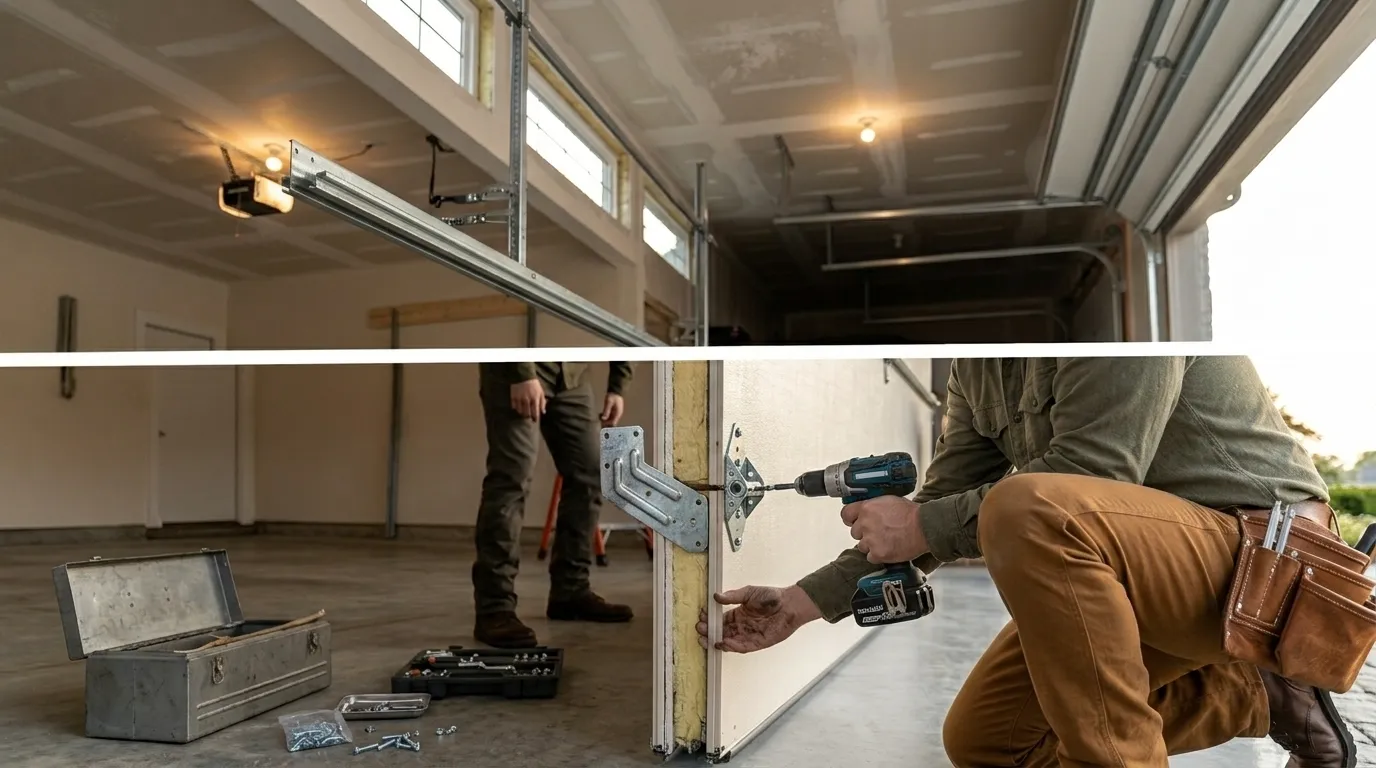
A look at jobs our crew has been on nearby.
Why Cedar Grove Calls Us
Frequently Asked Questions
Why does my garage door feel heavier than it used to?
On a house from Cedar Grove's era, the door itself has usually warped slightly over the decades, which makes the track fight it on every cycle. The opener and springs then have to work harder to compensate, which feels like the door getting heavier even though nothing was added to it.
Will a new door fit my original 1958 opening?
Usually yes, but it needs to be measured against the actual frame rather than assumed. Openings from this era sometimes run an inch or two off today's standard sizes, so we check header height and jamb condition before ordering the door.
Do you have a crew based in Cedar Grove?
No - we run these installs out of our Wayne shop, about 5 miles away. Every Cedar Grove job is a scheduled trip rather than a walk-in call, so we plan the visit around your measurements and opening condition ahead of time.
Is it worth insulating a new door in this climate?
For a cold-climate area like this one, yes. An uninsulated door keeps expanding and contracting through freeze-thaw cycles, which stresses the same hardware that failed on the original door. An insulated sectional door handles that cycling with less movement.
Need New Door Installation in Cedar Grove?
Call now for straight answers on cost and timing.