
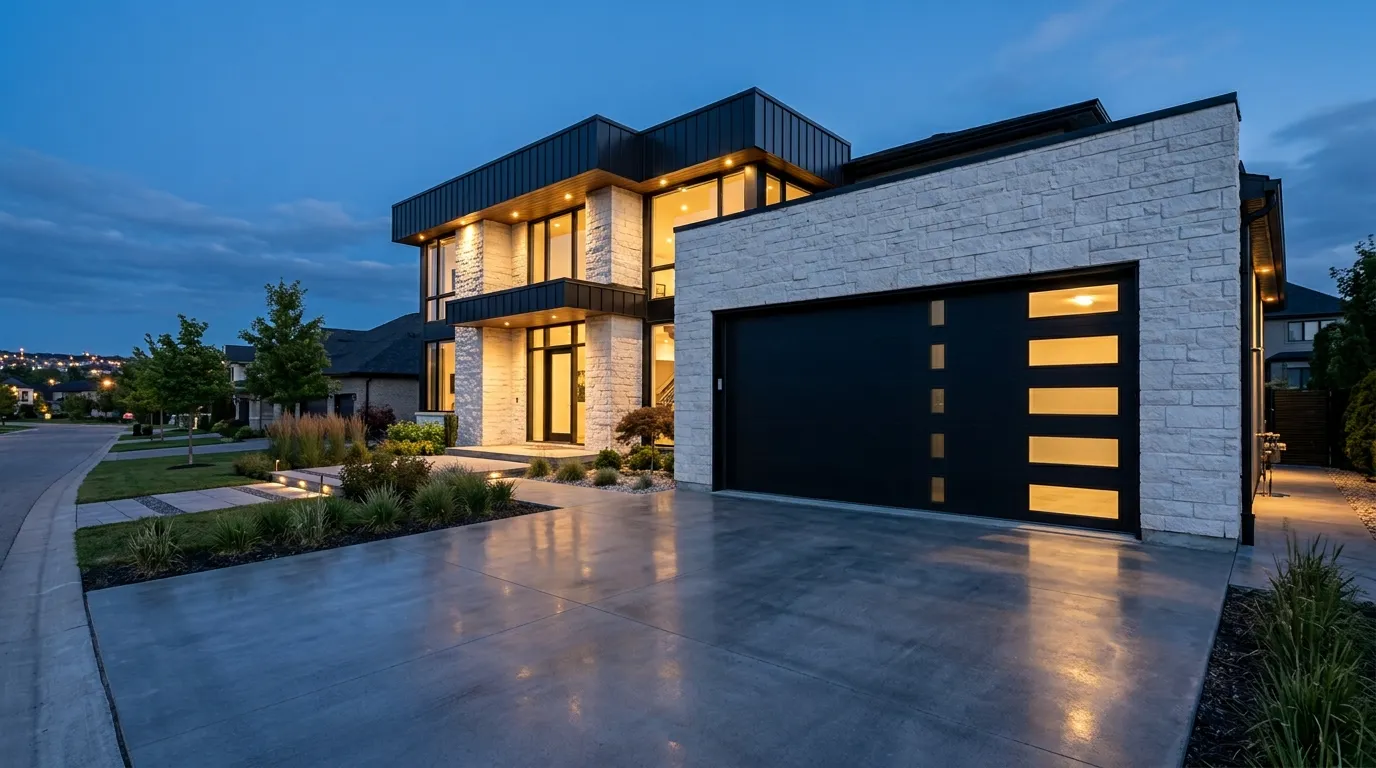
Wayne Garage Door Pros
Garage Door Repair for Wayne's Older Housing Stock
Local garage door repair for Wayne, NJ homes built between 1938 and 1996. Torsion springs, openers, and panels fixed by a crew that knows this housing stock.
- Licensed & Insured
- Same-Area Service Calls
- Upfront Pricing
How We Can Help
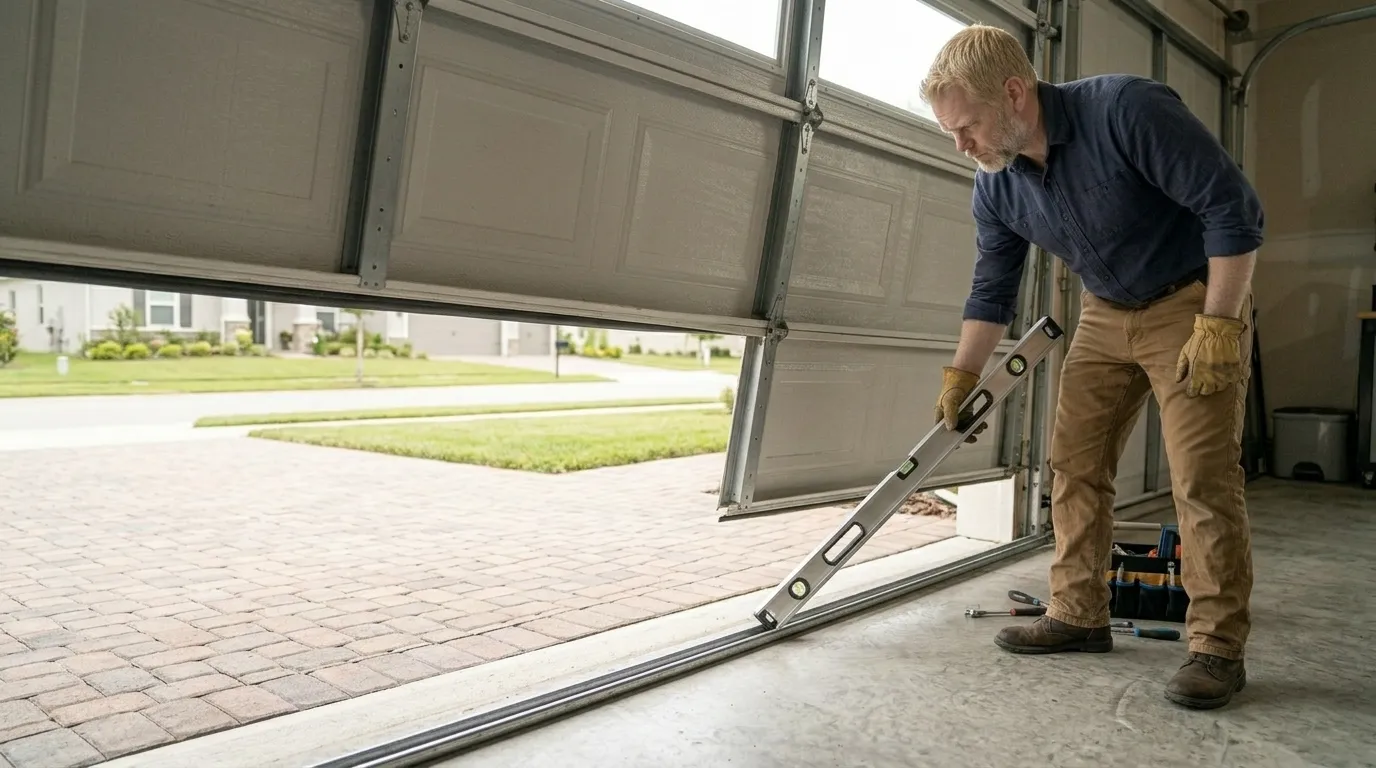
Garage Door Installation
New sectional doors sized and installed for the housing stock actually built in this area.
Learn more →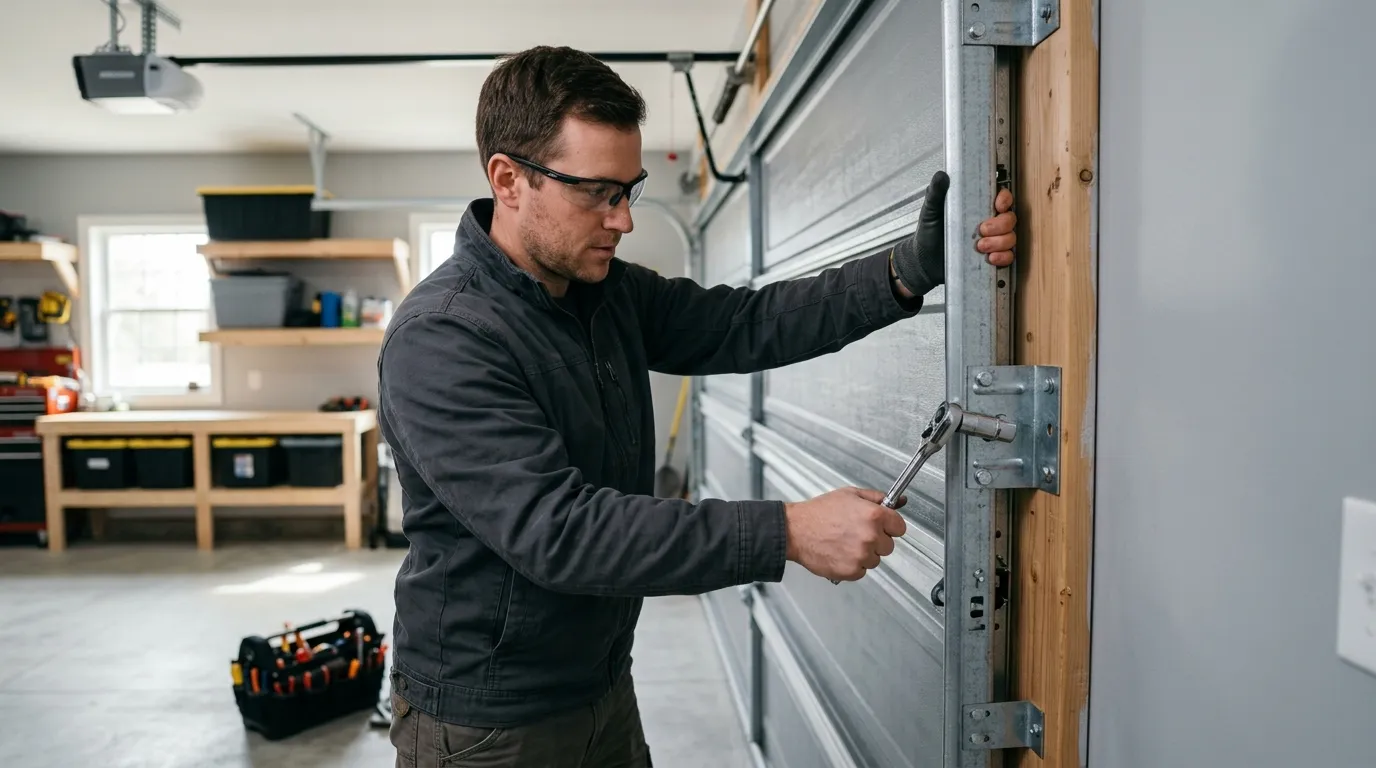
Garage Door Panel Replacement
Dented or cracked panels swapped without replacing the whole door where the frame is sound.
Learn more →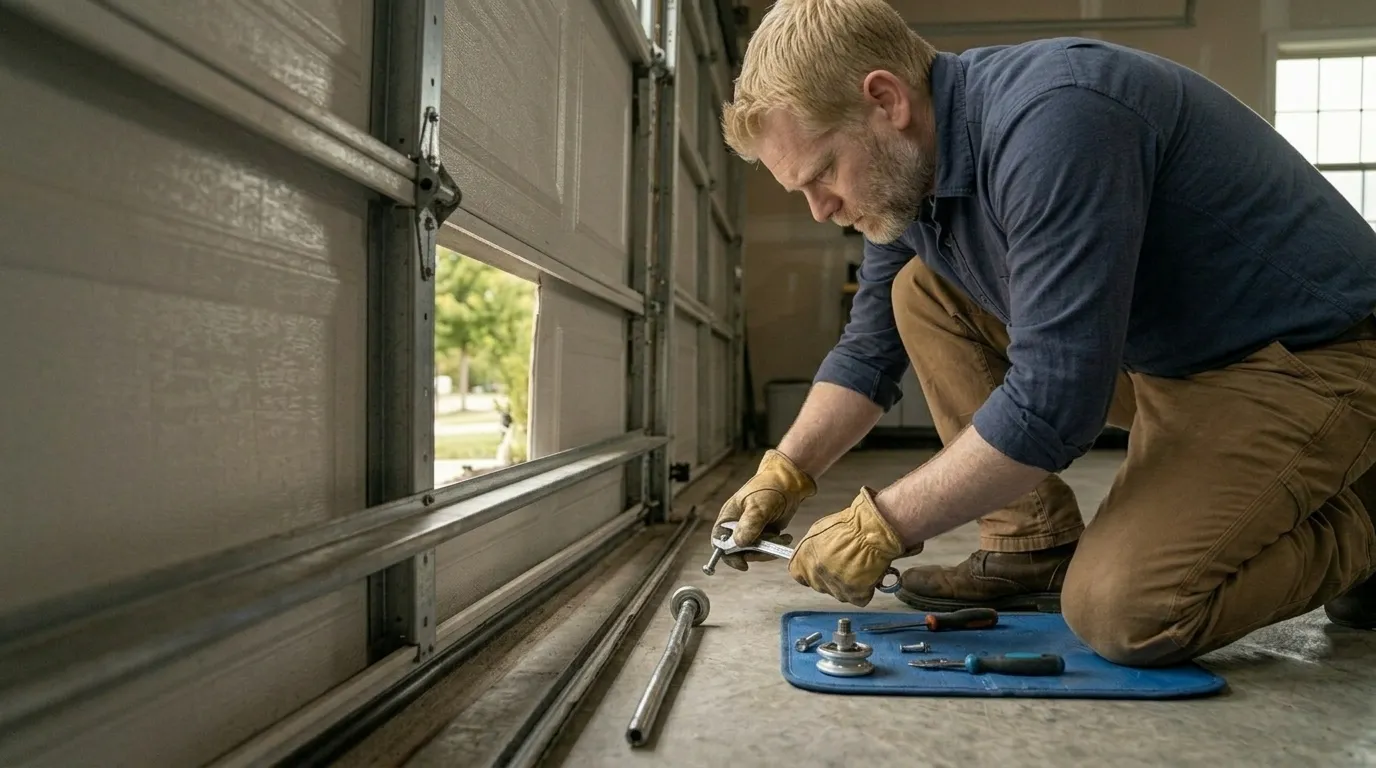
Garage Door Cable Repair
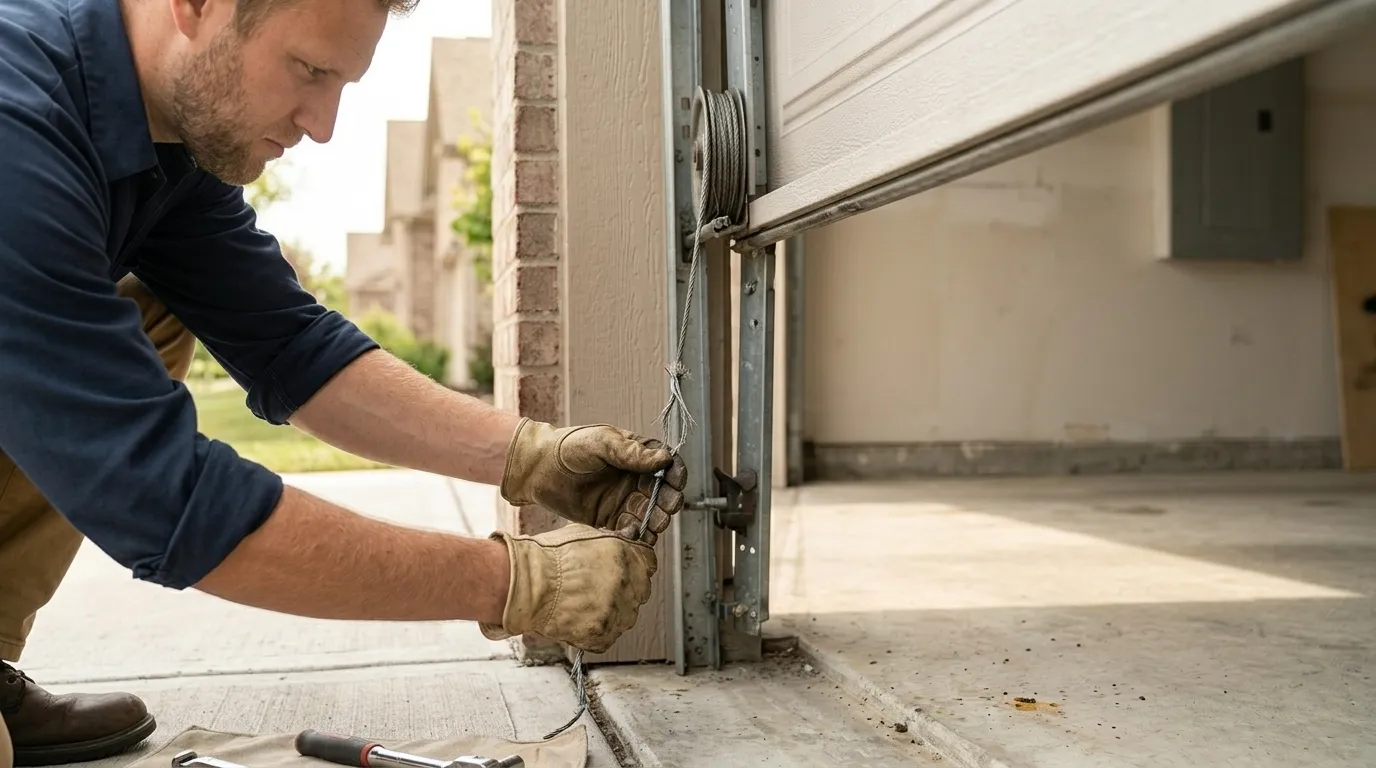
Frayed or snapped lift cables replaced and tensioned so the door lifts level and safe.
Learn more →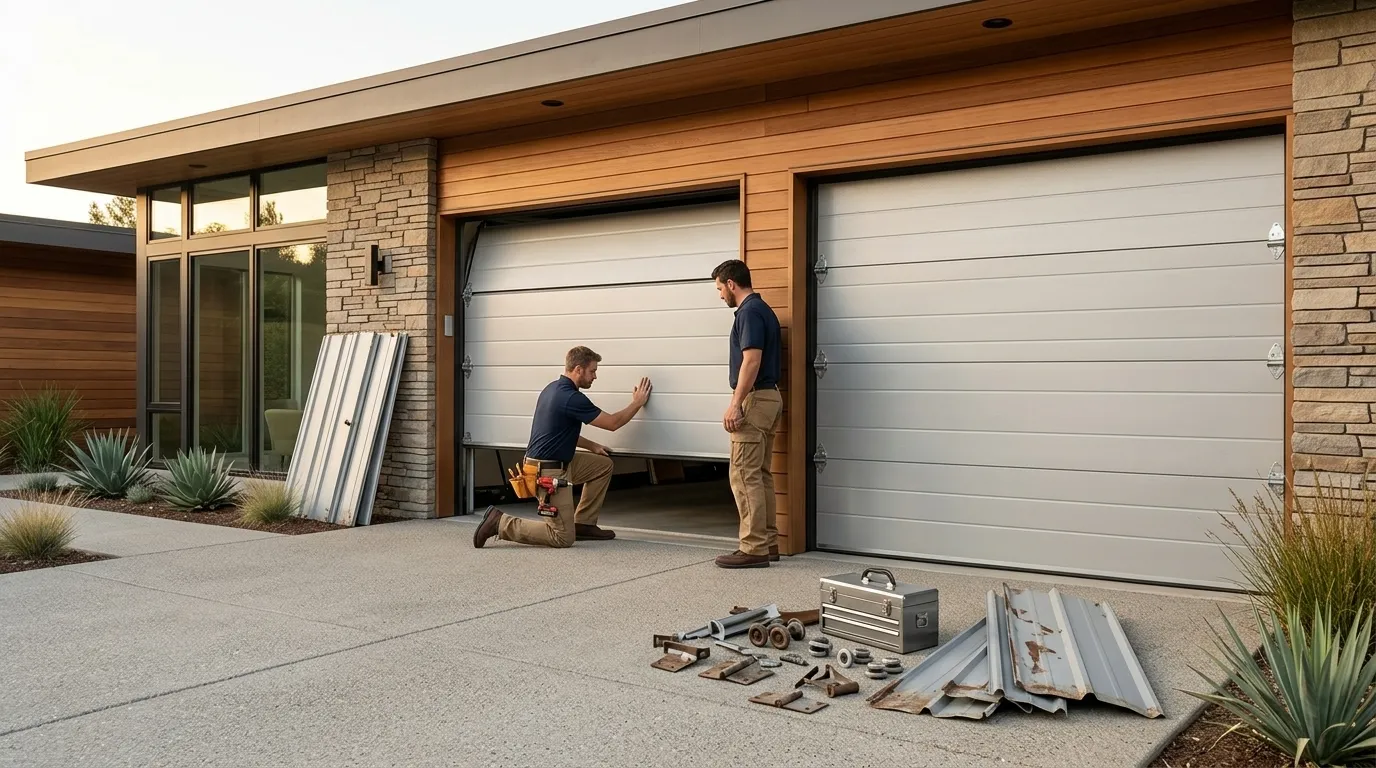
Garage Door Repair
Springs, cables, tracks, rollers, and openers fixed by a tech who explains the problem before touching anything.
Learn more →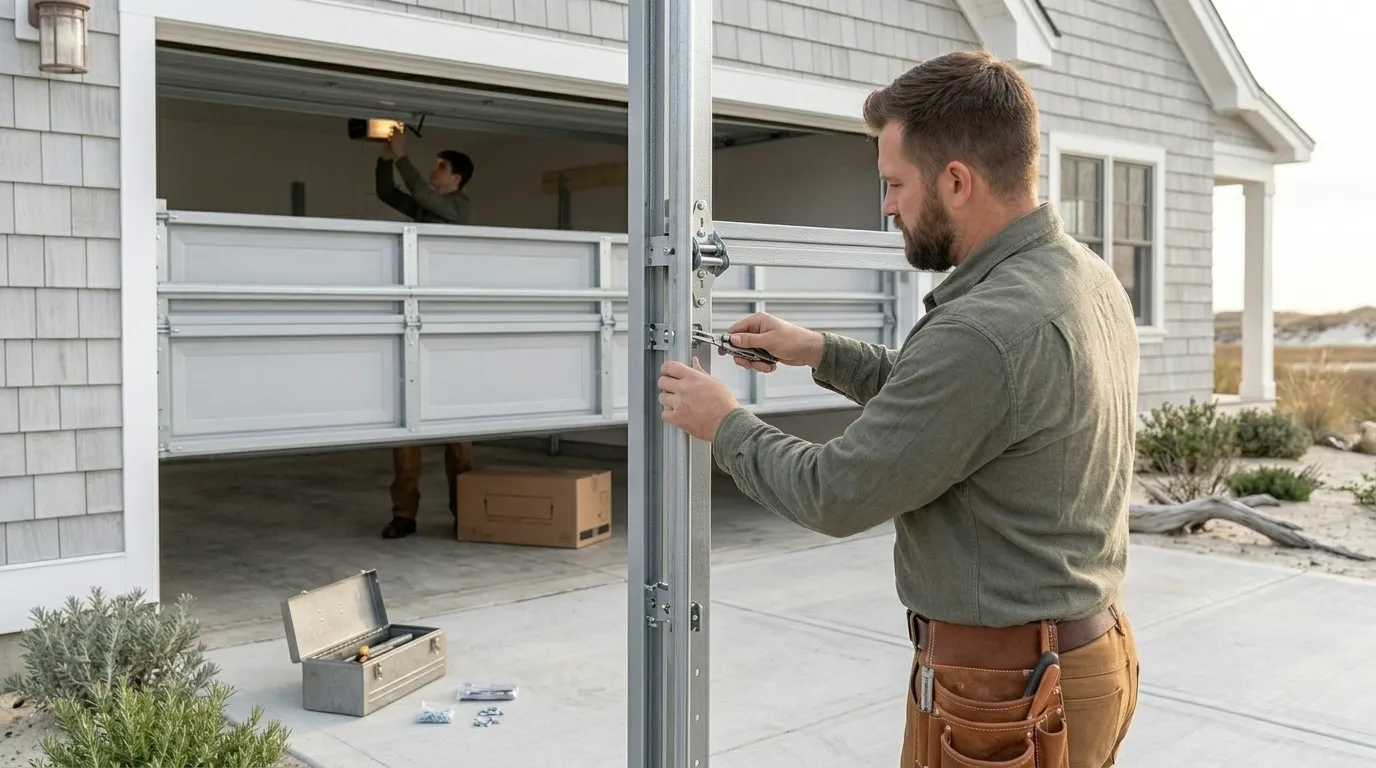
Garage Door Opener Repair
Openers that hum, stall, or reverse - diagnosed and fixed, from worn gears to logic boards.
Learn more →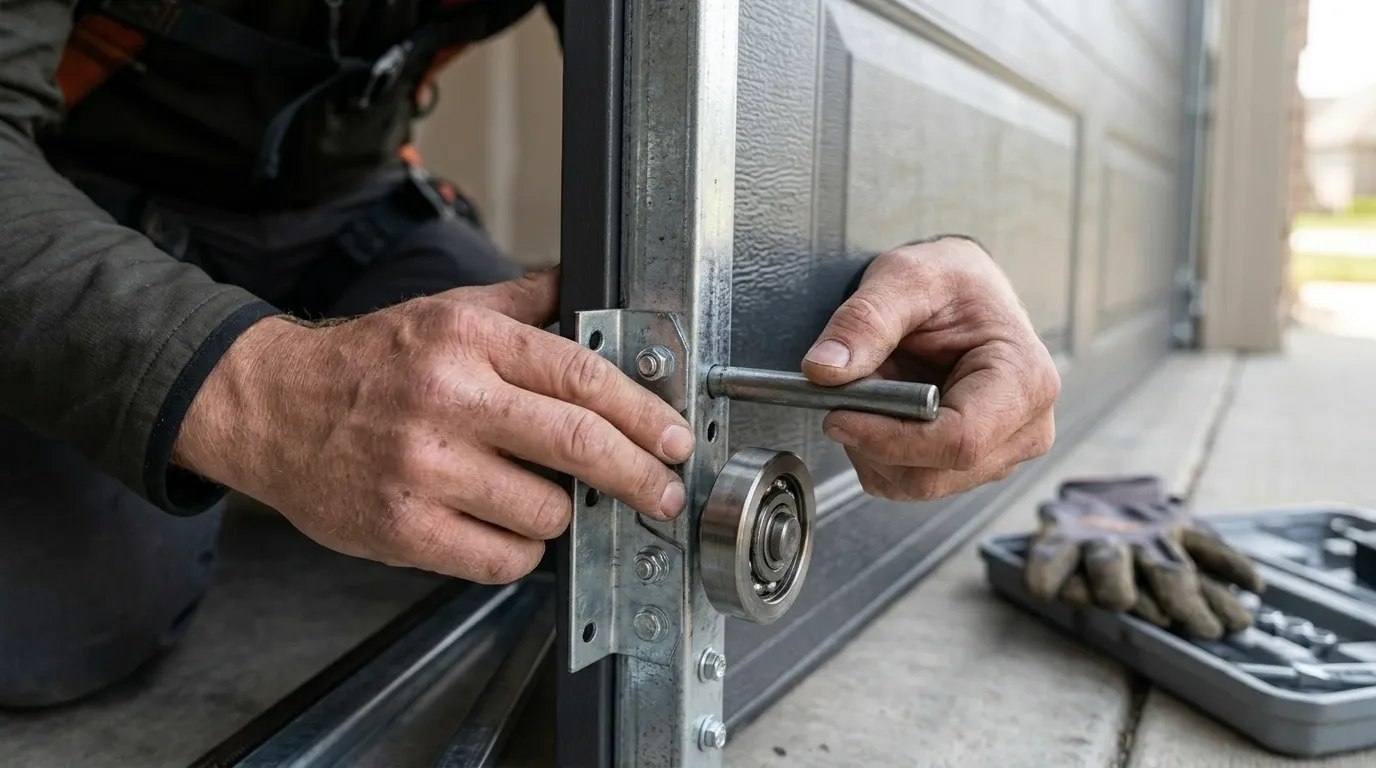
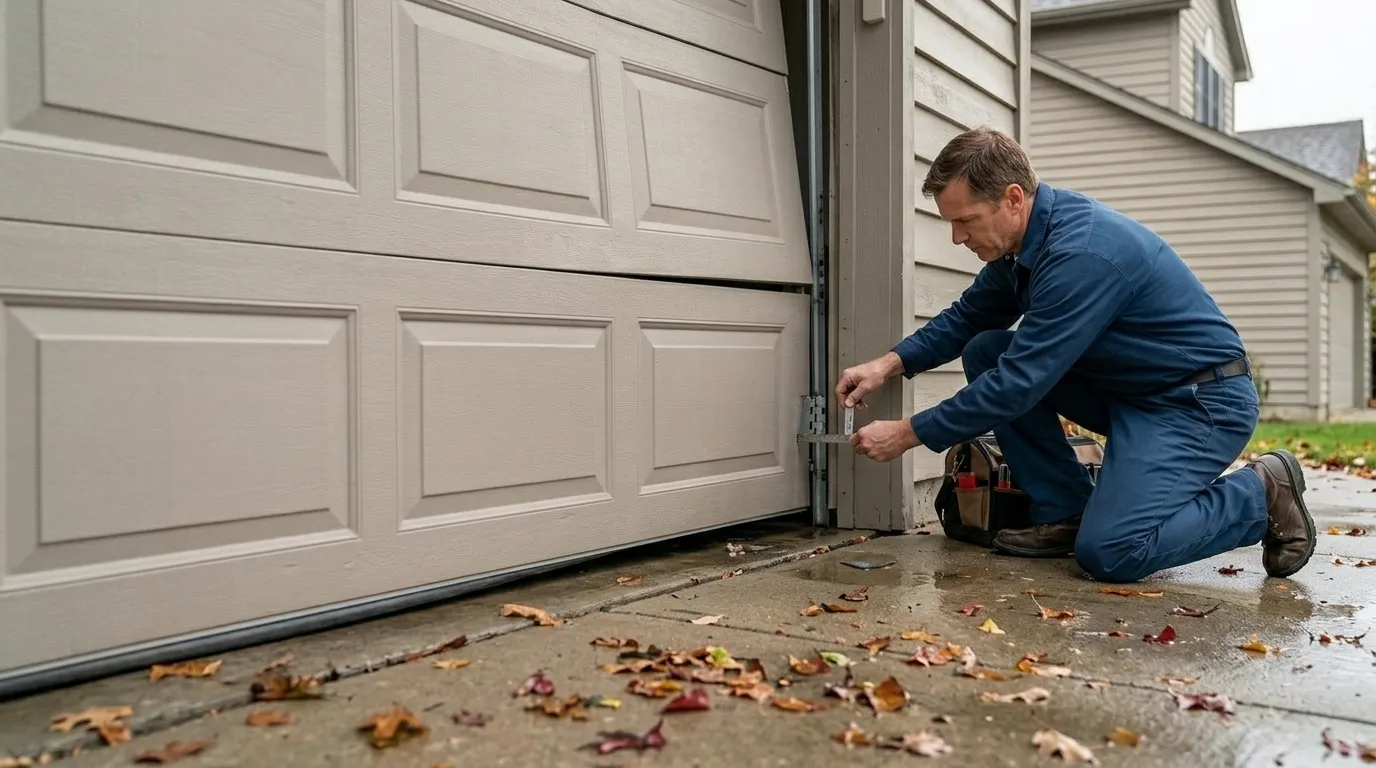
Garage Door Off Track
Doors that jumped the track reset safely, with rollers and alignment checked so it holds.
Learn more →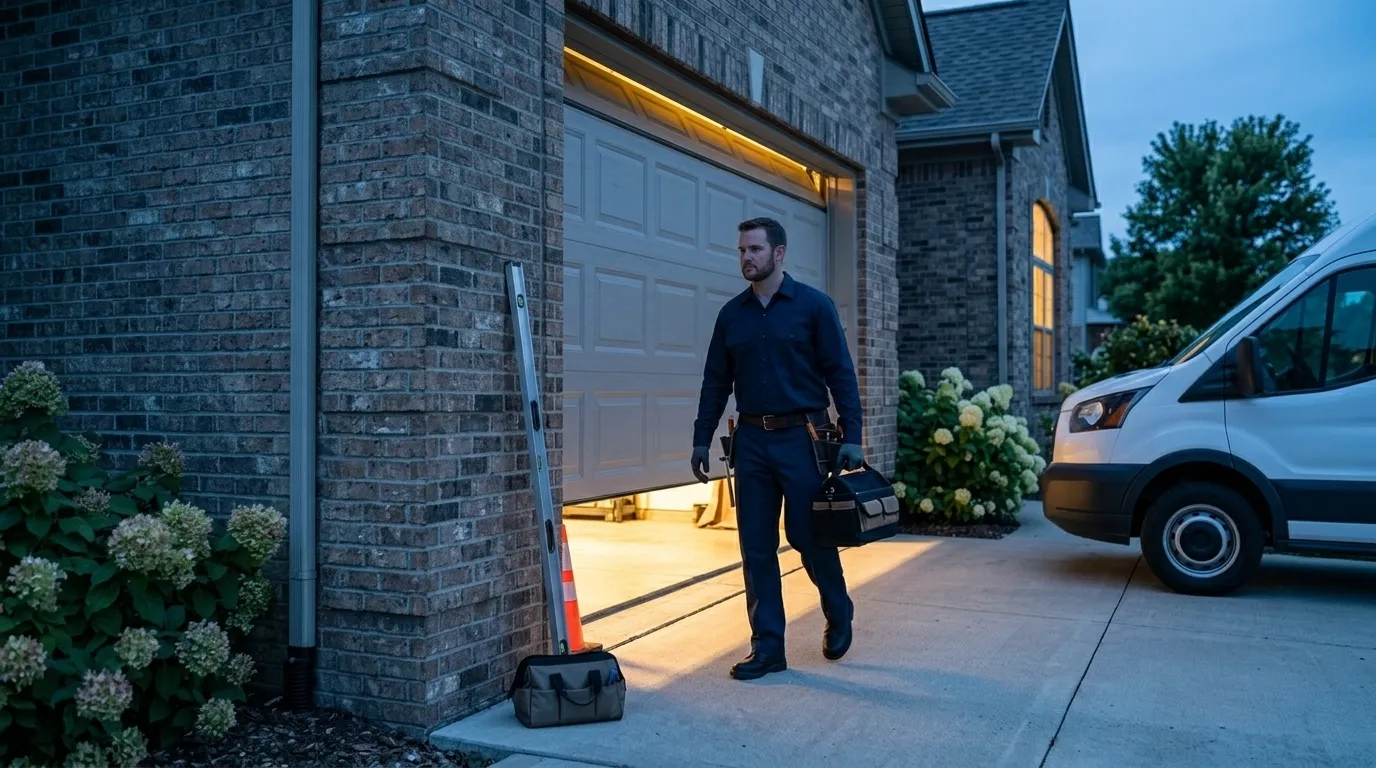
Garage Door Service
Tune-ups, lubrication, and safety checks that catch a small problem before it becomes a service call.
Learn more →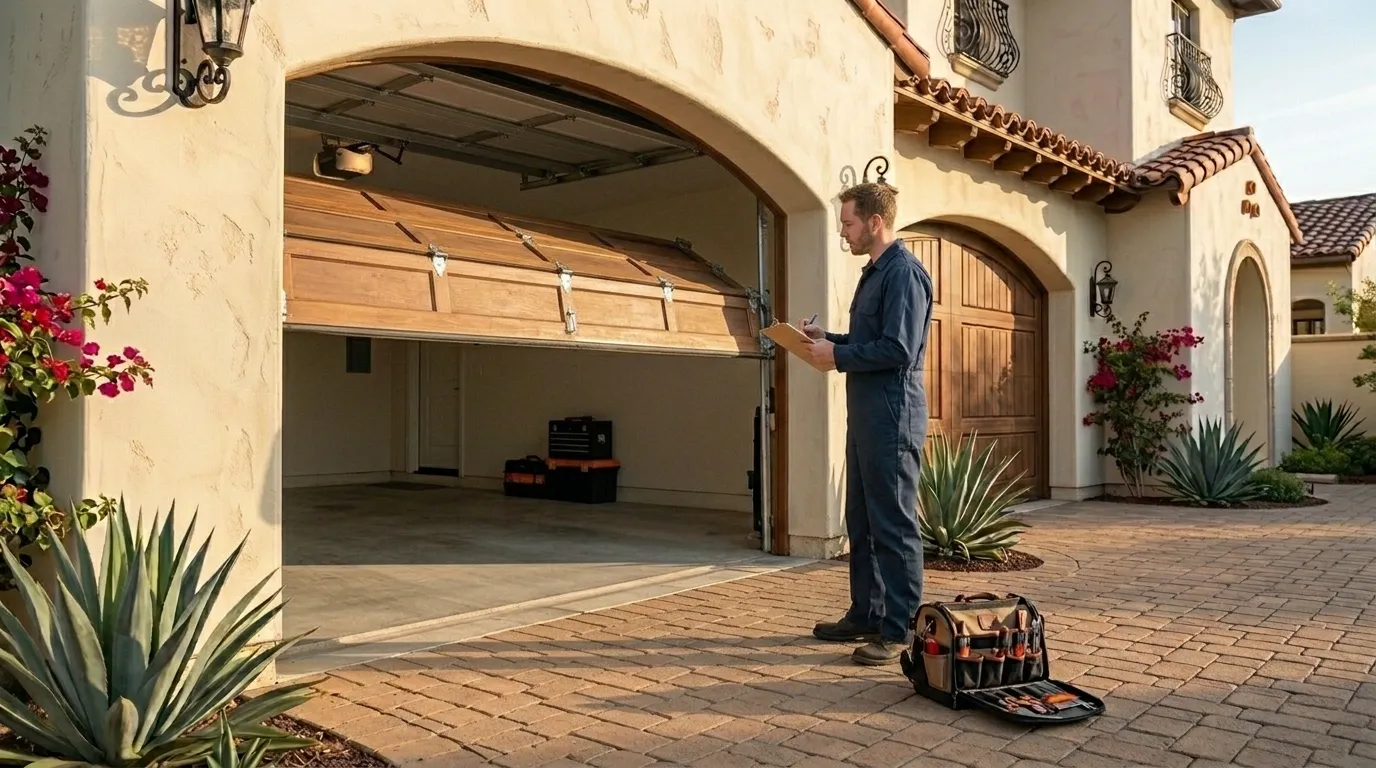
Garage Door Opener Installation
New openers sized to your door and set up with the safety sensors dialed in.
Learn more →Why Wayne Calls Us
Local facts, not a franchise script.
What Happens When You Call
-
1
Call or Request a Quote
Tell us what the door is doing and roughly how old the house is - that alone points us toward the likely part before a truck leaves.
-
2
On-Site Diagnosis
A tech checks the spring, cables, tracks, and opener in person and tells you plainly what is actually wrong.
-
3
Straight Price, No Surprises
You get a number before any work starts. It covers parts and labor, nothing added after the fact.
-
4
Fixed the Same Visit
Most repairs are done in one trip. If a part needs sourcing, we tell you that upfront instead of guessing.
When Repair Is Not Worth It
A lot of the doors we get called out to in Wayne are older sectional units on torsion hardware that's been fighting the cold for fifty or sixty years. If your door was put in when the house was built - and a good share of homes here date back to 1938 through the 1990s, with plenty from right around 1959 - the panels, hinges, and track have taken a long run of freeze-thaw cycles. There's a point where patching one more roller or bent track section stops making sense.
If the door has two or three separate failures at once, or the opener is original to the house and the circuit board has already been replaced once, we'll tell you straight that a full replacement will cost less over five years than another round of repairs. We don't push replacement to pad a ticket. If a $40 part gets your door another five winters, that's what we'll quote.
But we won't pretend a dying door has more life left in it than it does just to make the visit easier.
What Happens When You Call
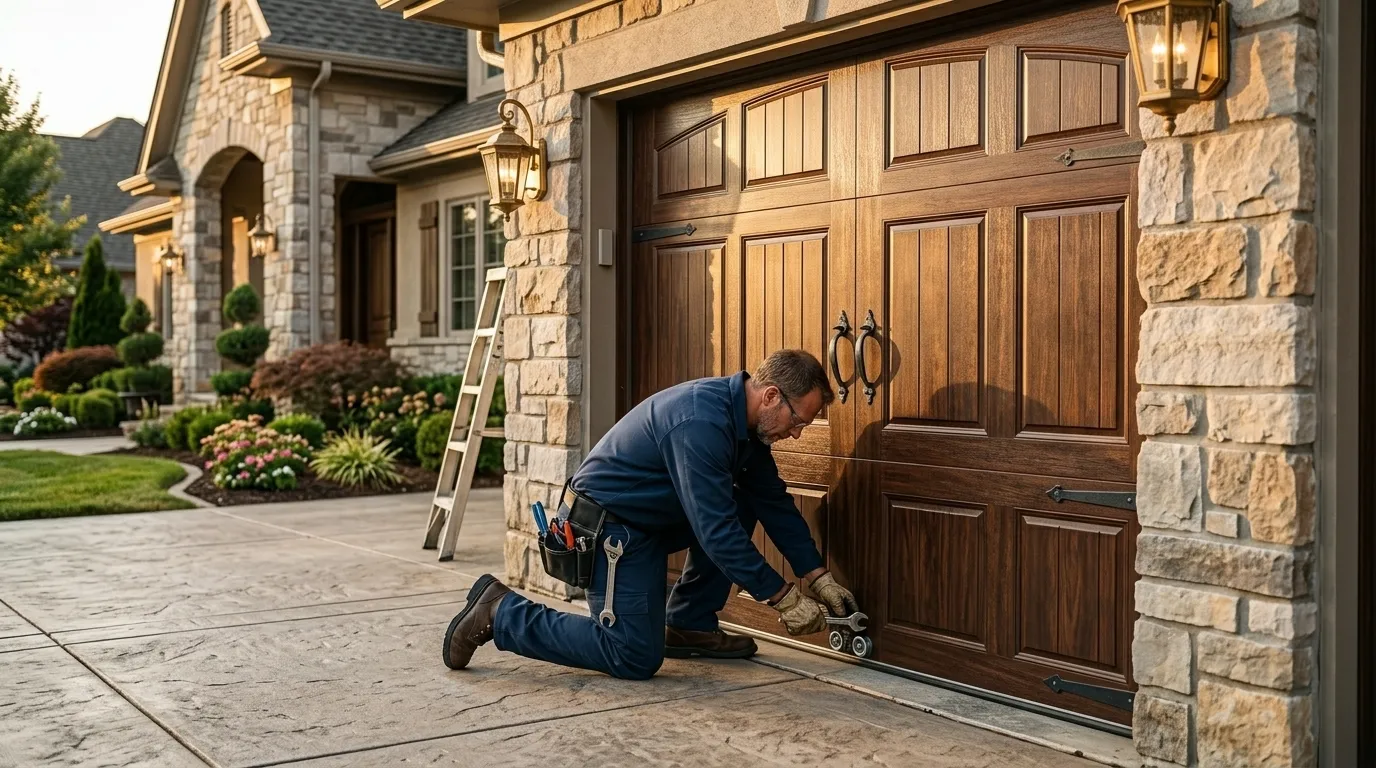
You describe what the door is doing - won't close, grinding on the way up, opener clicking but nothing moving - and we tell you on the phone whether it sounds like a spring, a cable, a limit switch, or something in the opener logic board. That matters here because a house from the 1950s or 60s often still has its original torsion spring size and mounting, which isn't what a big-box replacement kit assumes.
We bring stock sized for the older setups that show up across this area, not just current-code parts. On site, we check the spring tension, the track alignment, the cable condition, and the opener's force settings before we touch anything, because on a door that old, the failure you called about is sometimes a symptom of a second problem that hasn't announced itself yet.
Pricing, and What Drives It
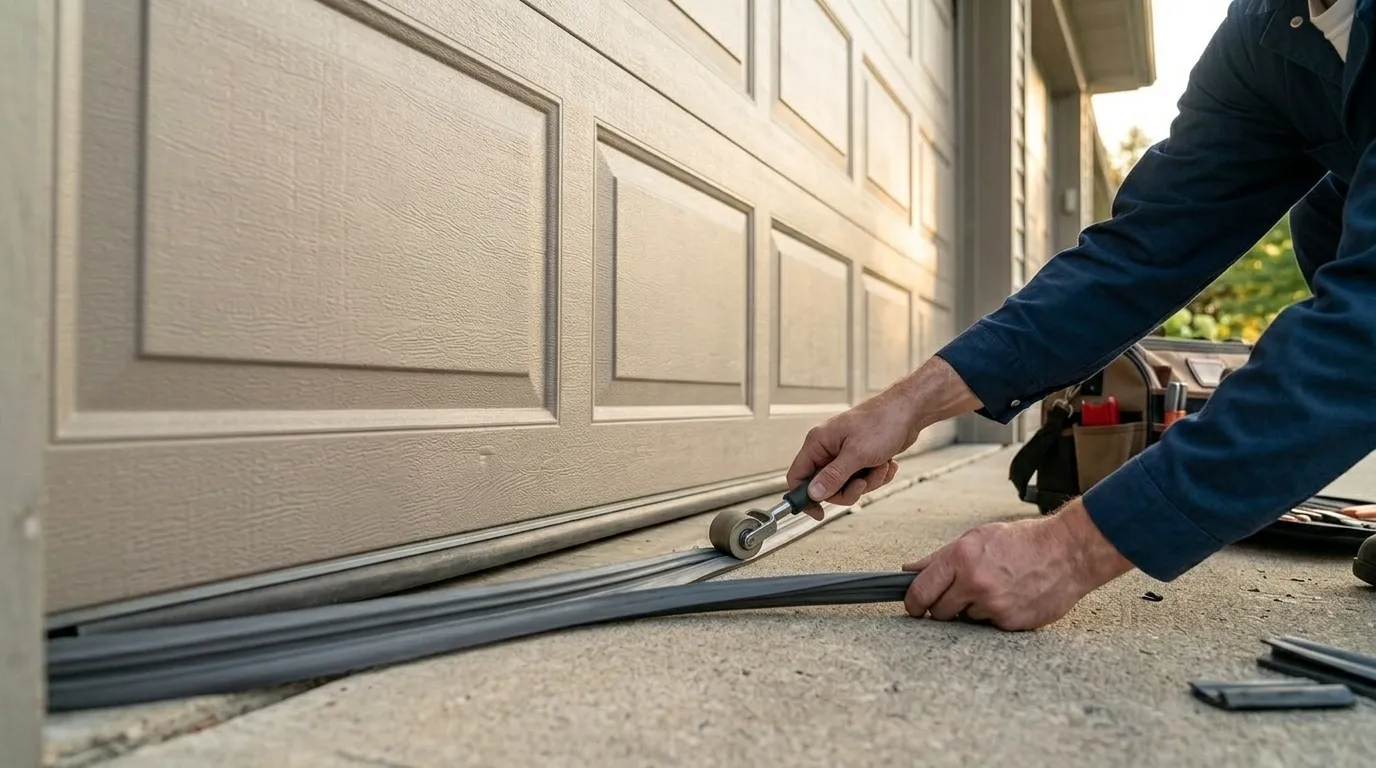
We don't publish a flat number because a broken spring on a single door costs less to fix than a bent track on a double door with a dead opener, and there's no way around that. What we can tell you is what tends to drive the number up around here: original hardware that's no longer a stocked size, insulated doors that were retrofitted later and don't match the original frame, and openers old enough that the replacement board isn't a direct swap.
Household incomes in this area run well above the state median, and we see that reflected in how many owners choose full opener upgrades rather than patch jobs - but that's a choice, not a requirement. We'll give you the repair price and the replacement price side by side before we start, and we'd rather lose a job to an honest number than win one on a low estimate that grows once the door's open.
What We Fix Most Here
Broken torsion springs top the list, and it's not close - a door that's sat on the same spring since the house was built, sometime in that long 1938-to-1996 stretch this area was mostly built out in, is going to snap eventually, usually on a cold morning when the steel's contracted and stiff. After that it's cables that have frayed at the drum, rollers that have worn oval instead of round, and openers whose logic boards can't take another power flicker.
Winter is when we get the call volume up, because this is a cold-climate area and steel hardware doesn't forgive ice the way rubber seals pretend to. We also see a fair number of panel replacements on doors that took a hit from a car or a falling branch - those are usually quick jobs if the track survived the impact, and a lot more involved if it didn't.
The Area and Its Housing
We work out of Wayne and the towns around it - Lincoln Park two miles off, Totowa and Fairfield and Pompton Plains and Towaco each about three miles out, North Caldwell and Montville at four, and a ring of others from Haledon to Montclair within five to eight miles. Across this stretch, the housing is mostly pre-1960, spread over more than 150 named neighborhoods and sections, which means the garage doors we're pulling apart aren't uniform - a street built in the late 1930s runs different hardware than one built in the 1980s expansion, even a few blocks apart.
What ties it together is age: original torsion springs, original track spacing, and openers that have usually been replaced once but not twice. We size our stock for that mix rather than for whatever's easiest to order in bulk.
Recent Work Around Wayne
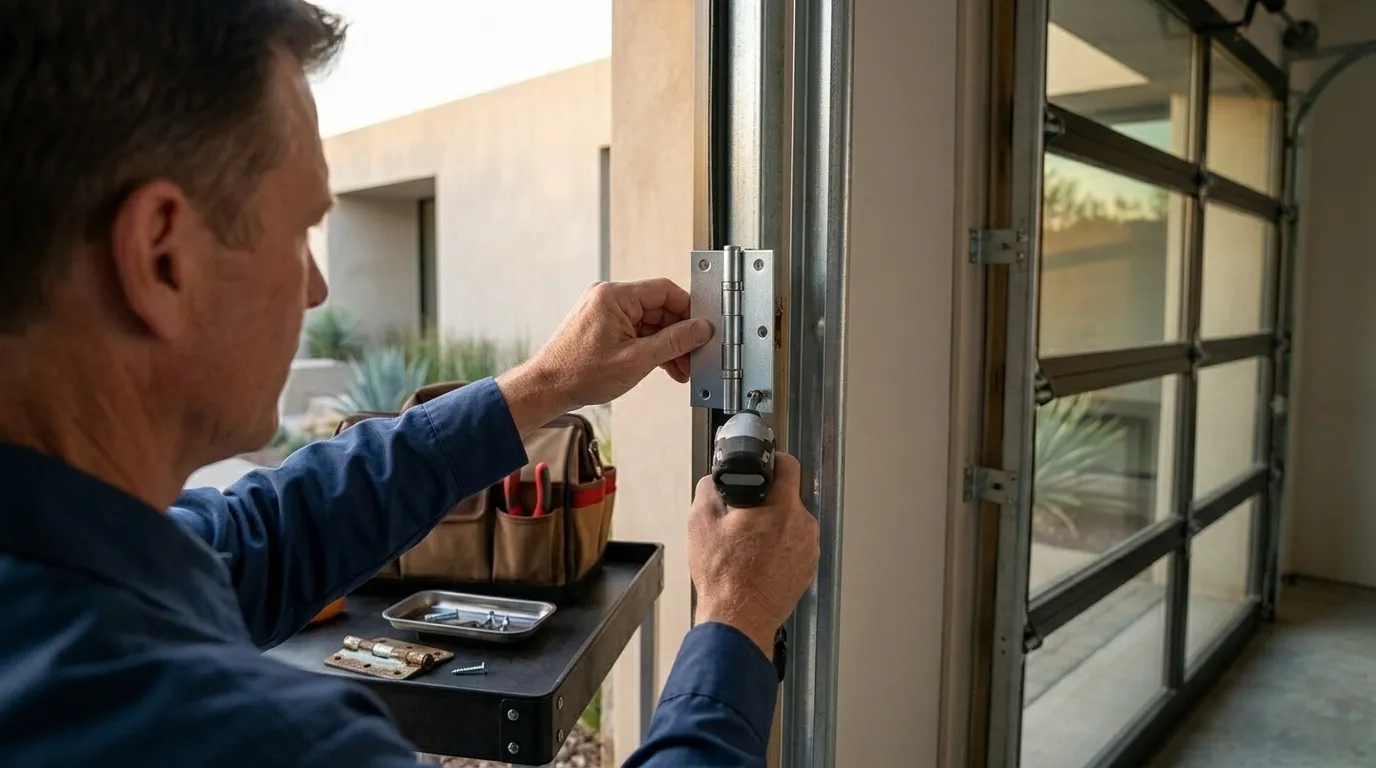
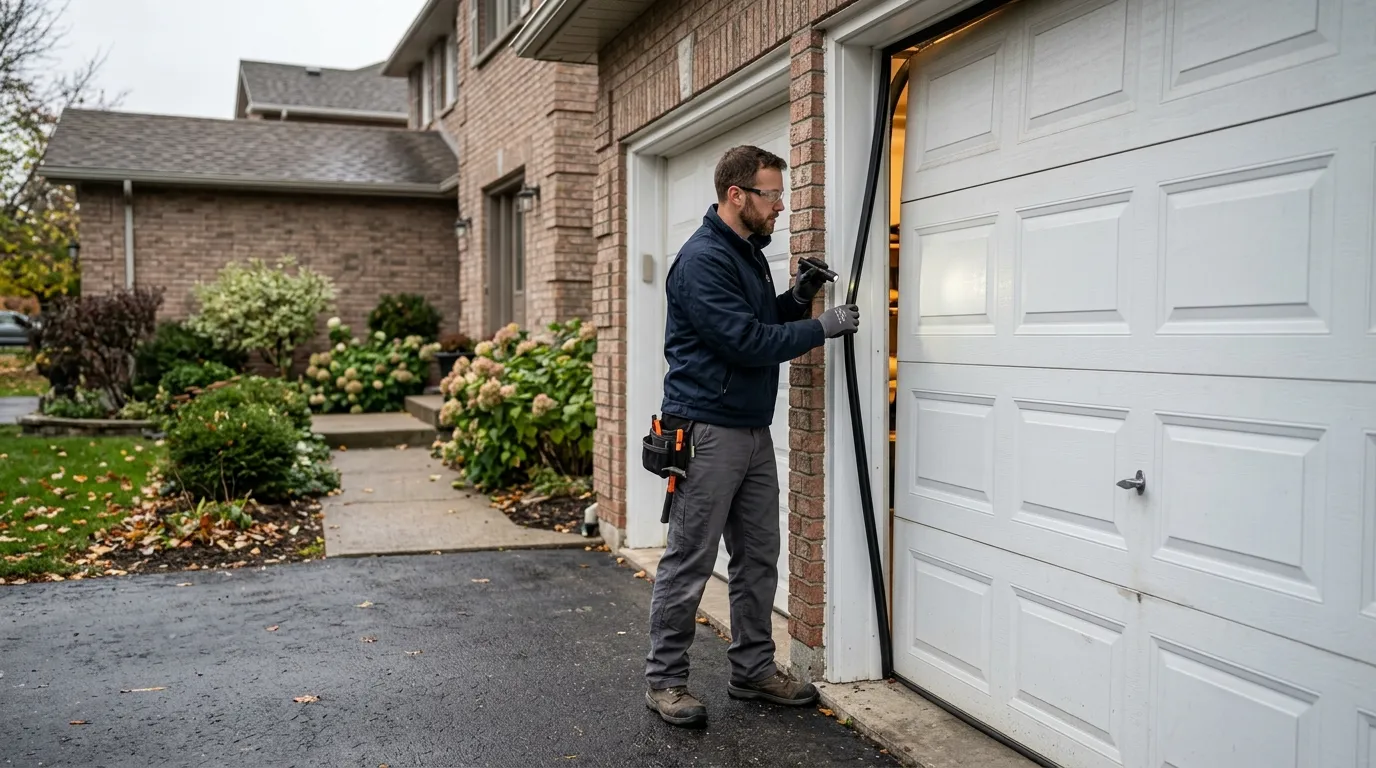
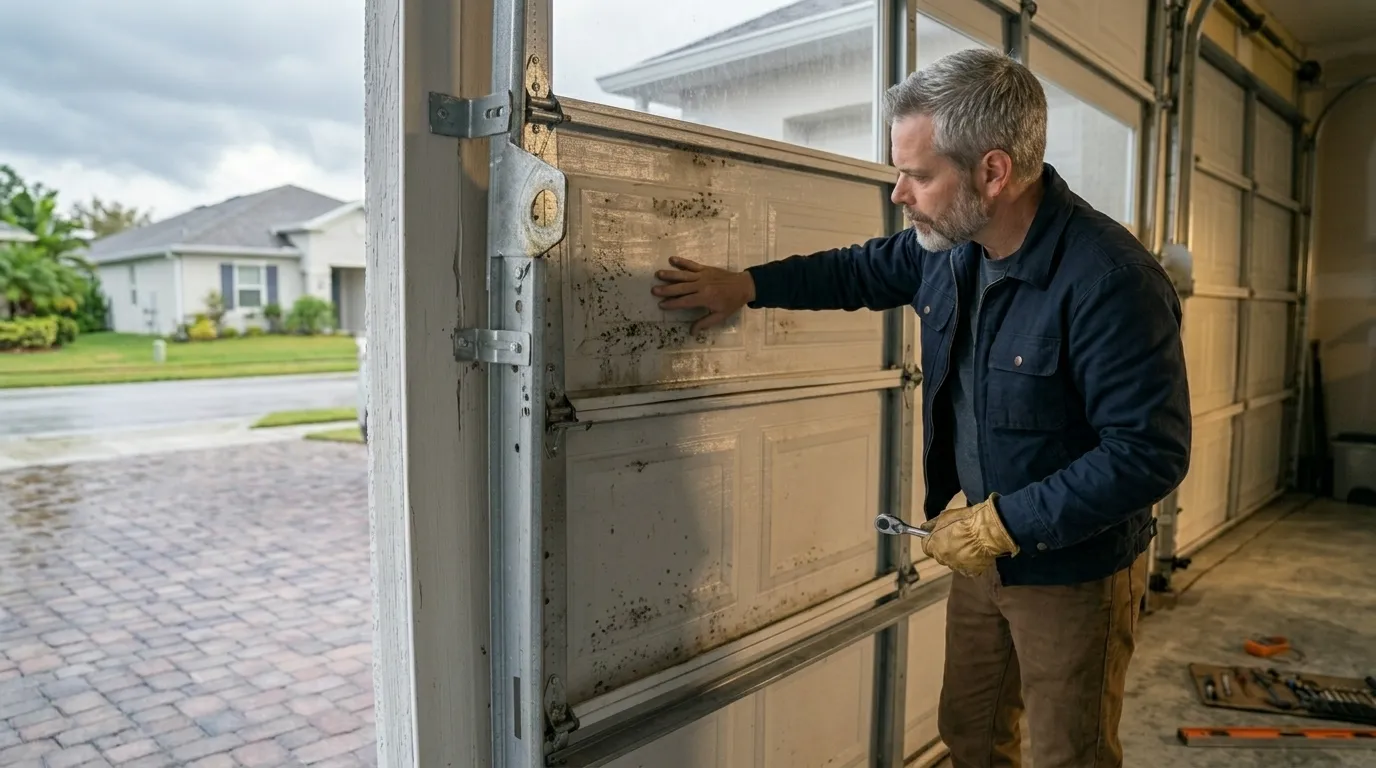
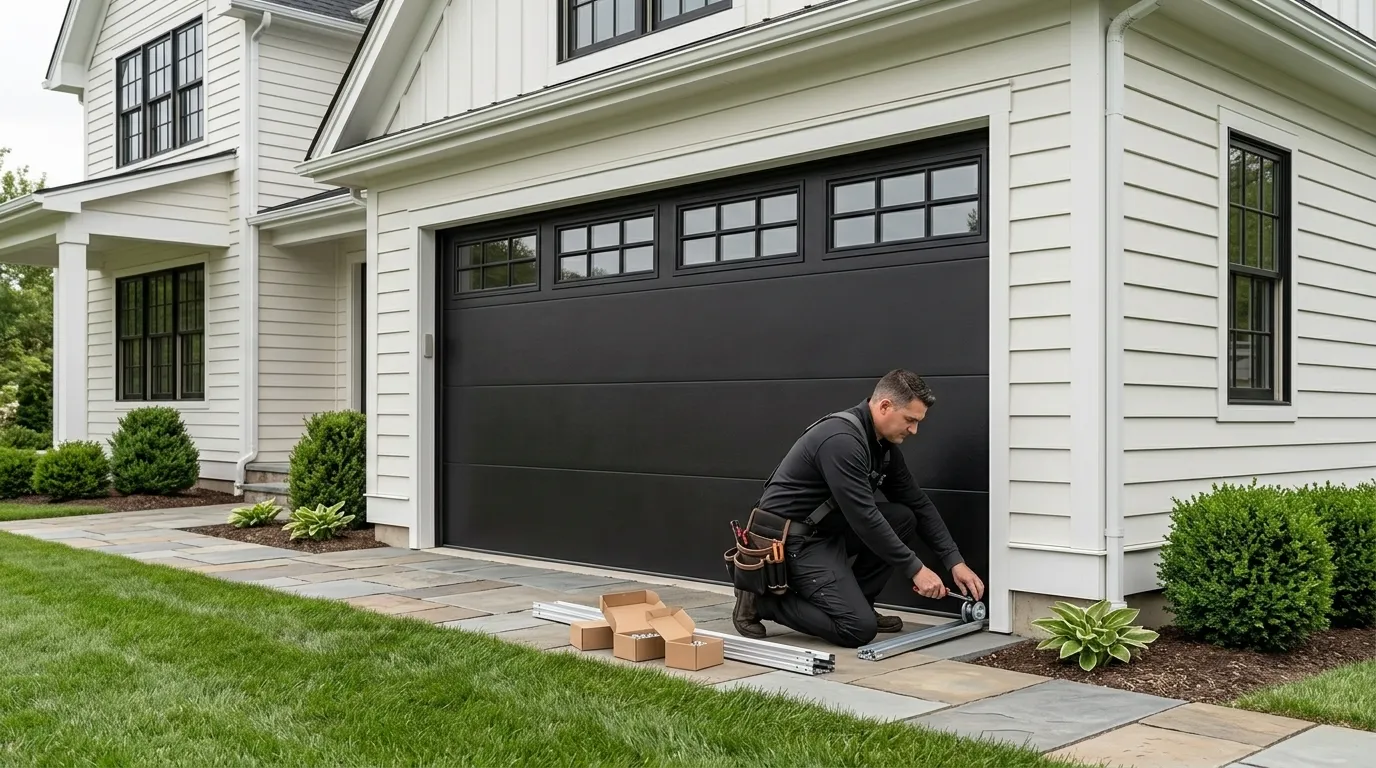
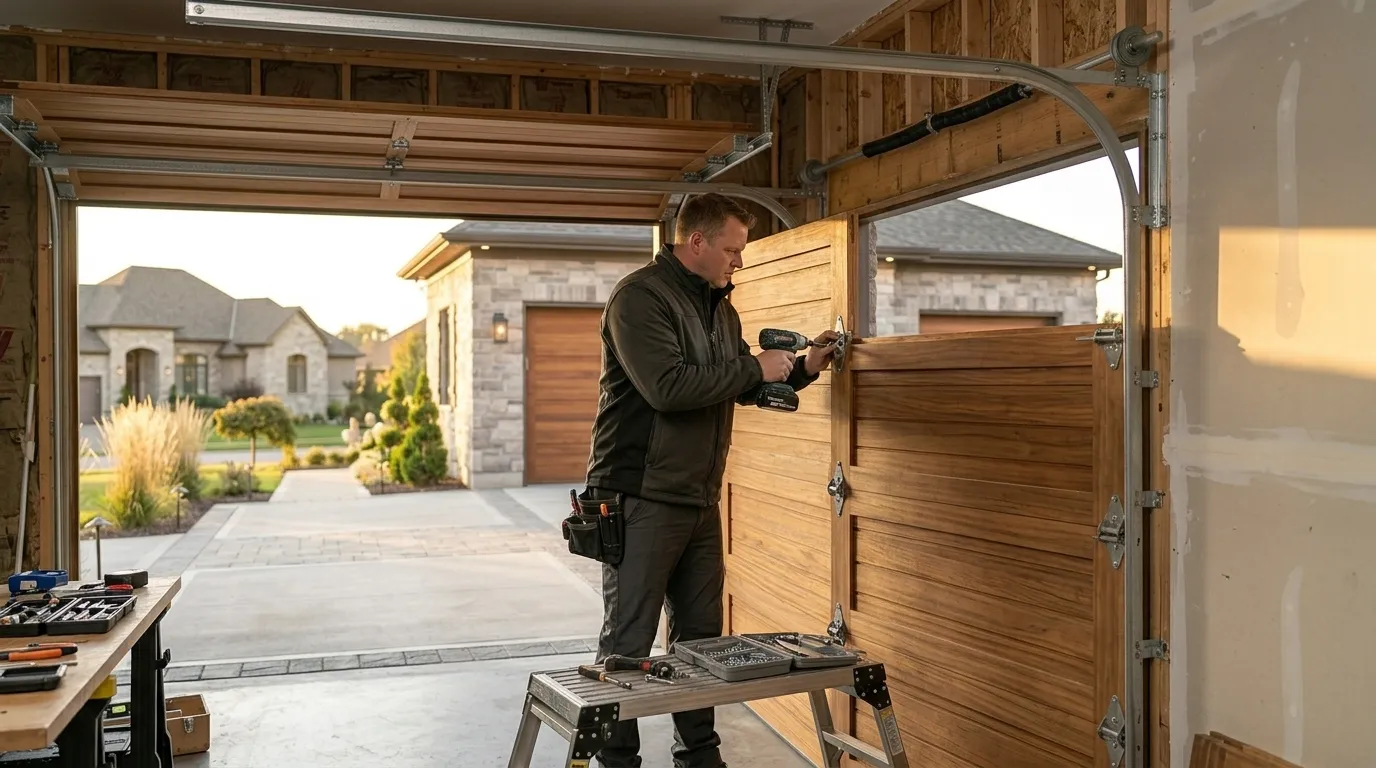
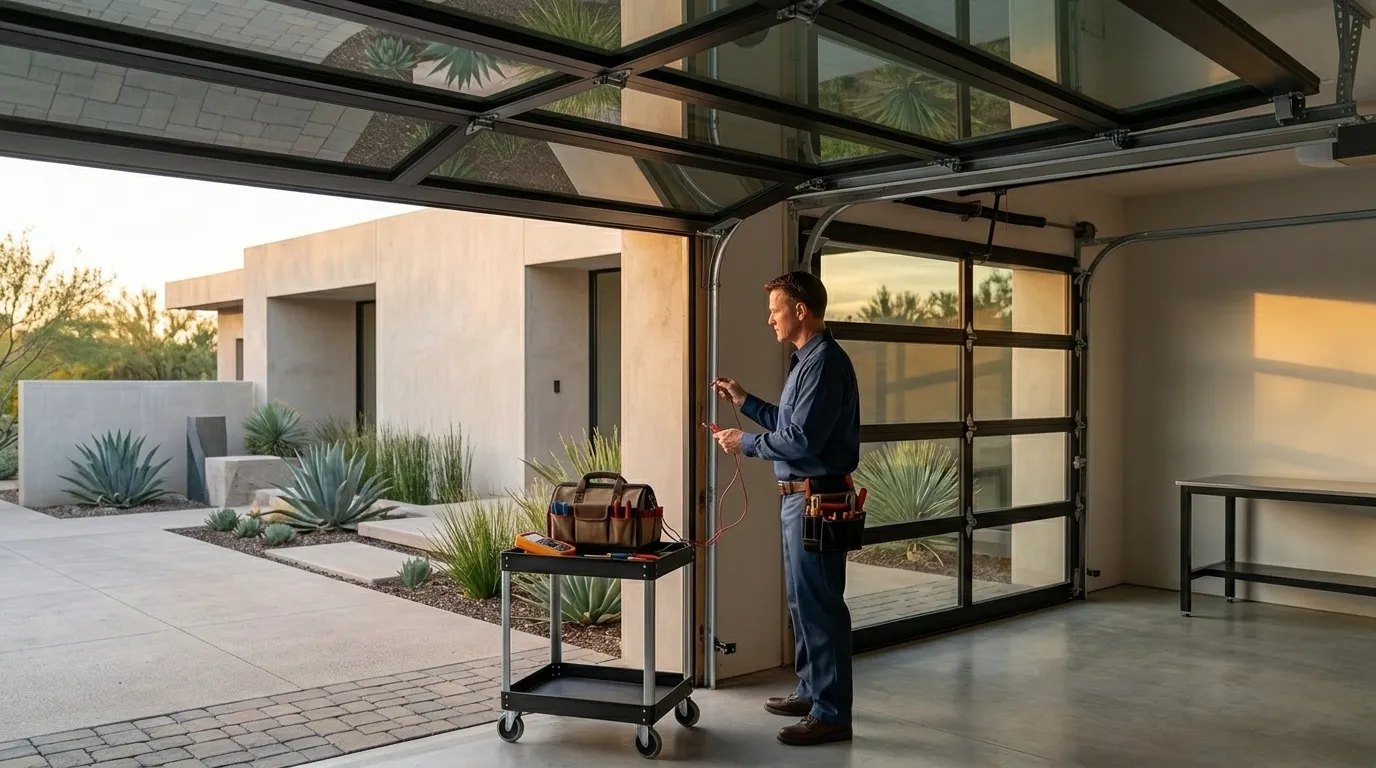
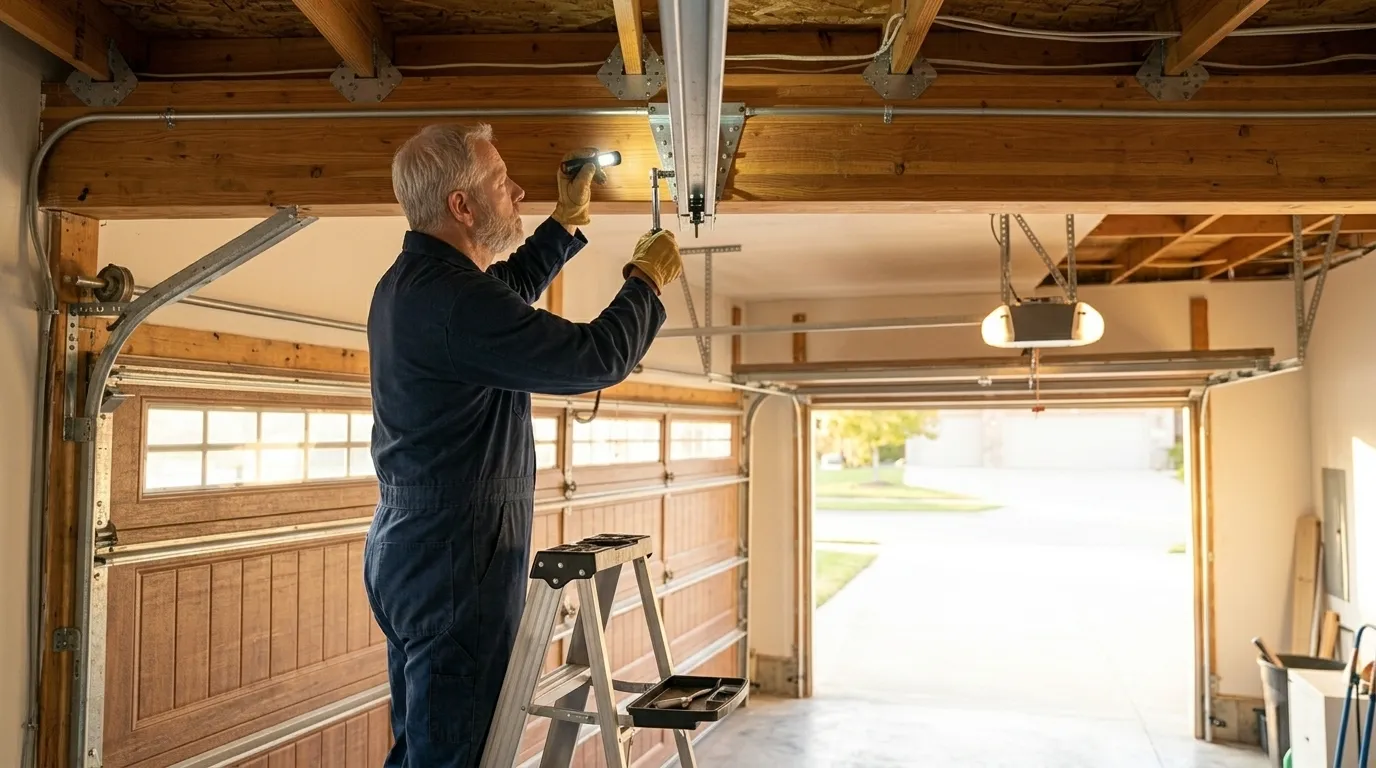
A look at the doors, springs, and openers our crew has been on lately.
Areas We Serve
Frequently Asked Questions
How old does a garage door have to be before repair stops making sense?
There's no fixed age, but if the door dates to when the house was built - and a lot of homes in this area go back to 1938 through the 1990s - and you're facing a second or third failure inside a year, replacement usually costs less over time than another repair. We'll walk you through the numbers on your specific door before recommending either.
Do you carry parts for older torsion spring setups?
Yes. A large share of the houses we work on were built well before current hardware became standard, so we stock spring sizes and mounting parts for older torsion setups, not just what fits new-construction doors.
Why do springs seem to break more in winter here?
This area sits in a cold climate zone with real freeze-thaw cycles, and steel torsion springs stiffen and lose tolerance as temperatures drop. A spring that's been fine for years can snap on the first hard cold morning because the metal has less give left in it.
Do you work outside Wayne itself?
We cover Wayne and the surrounding towns, including Lincoln Park, Totowa, Fairfield, Pompton Plains, Towaco, and other communities within roughly eight miles.
Ready to Get Your Door Fixed Right?
Call now or request a quote online, and we will tell you straight what your door needs.