
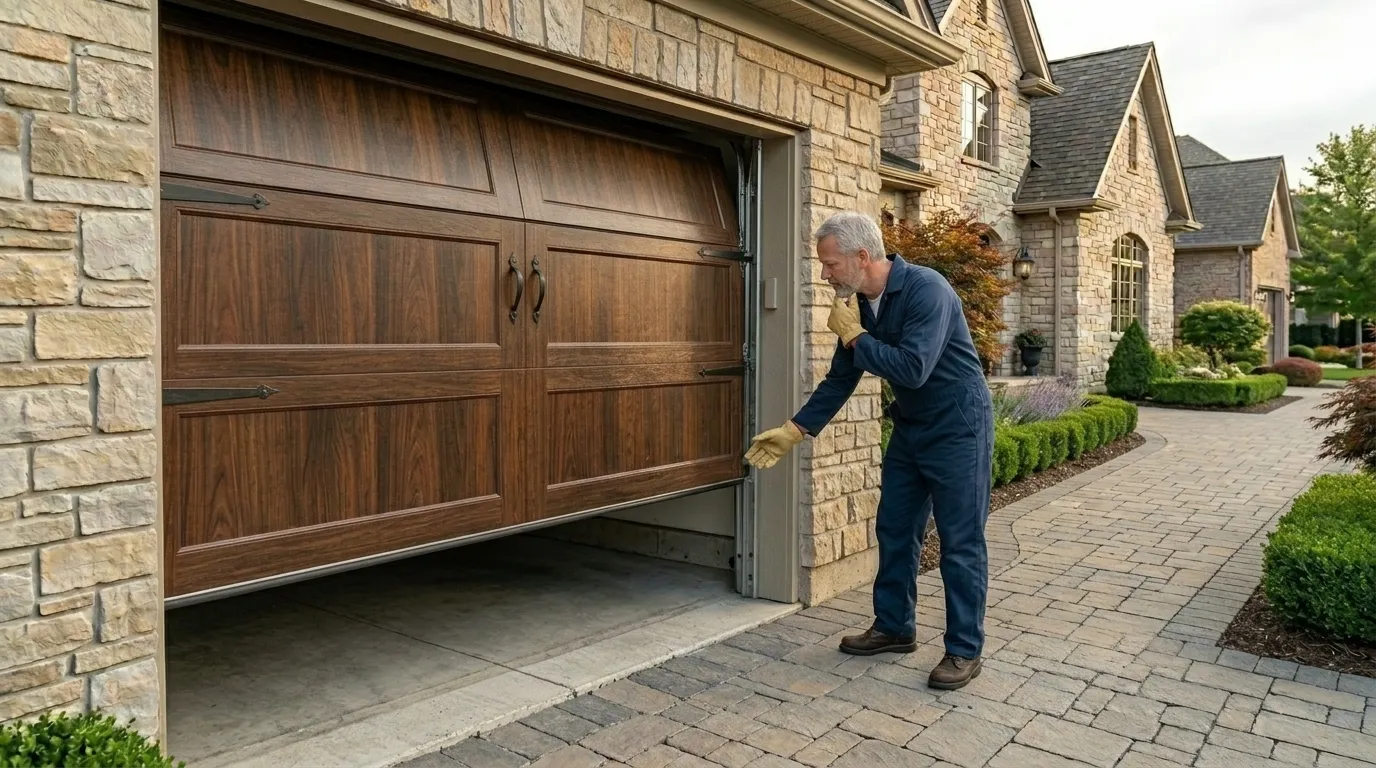
Wayne Garage Door Guide
Garage Doors on Wayne's Older Housing Stock
Most Wayne homes went up between 1938 and 1996, median 1959, before insulation codes existed. Here's what that means for your garage door in a cold-climate winter.
- Licensed & Insured
- Same-Area Service Calls
- Upfront Pricing
The Situation
Wayne's housing stock runs from 1938 to 1996, with the median build year sitting at 1959. That means the door on your garage, if it hasn't been swapped out, was likely installed to a spec written before anyone worried much about heat loss through a 16-by-7 opening.
A lot of these are single-layer steel or wood panels with no thermal break, hung on hardware that was never rated for the temperature swings we get now. If you live in one of the 152 named areas that make up this part of Passaic County, odds are good your house falls into that pre-1960 bracket rather than the newer end of the range.
The practical effect: these doors were built for a different set of expectations. Nobody was thinking about R-value when they specced a garage door in 1959.
They were thinking about keeping rain and raccoons out. That's a fine goal, but it leaves the door itself as one of the largest uninsulated surfaces on the house, and in a cold climate that surface faces the weather every single day, not just on the worst ones.
What the Weather Here Does to It
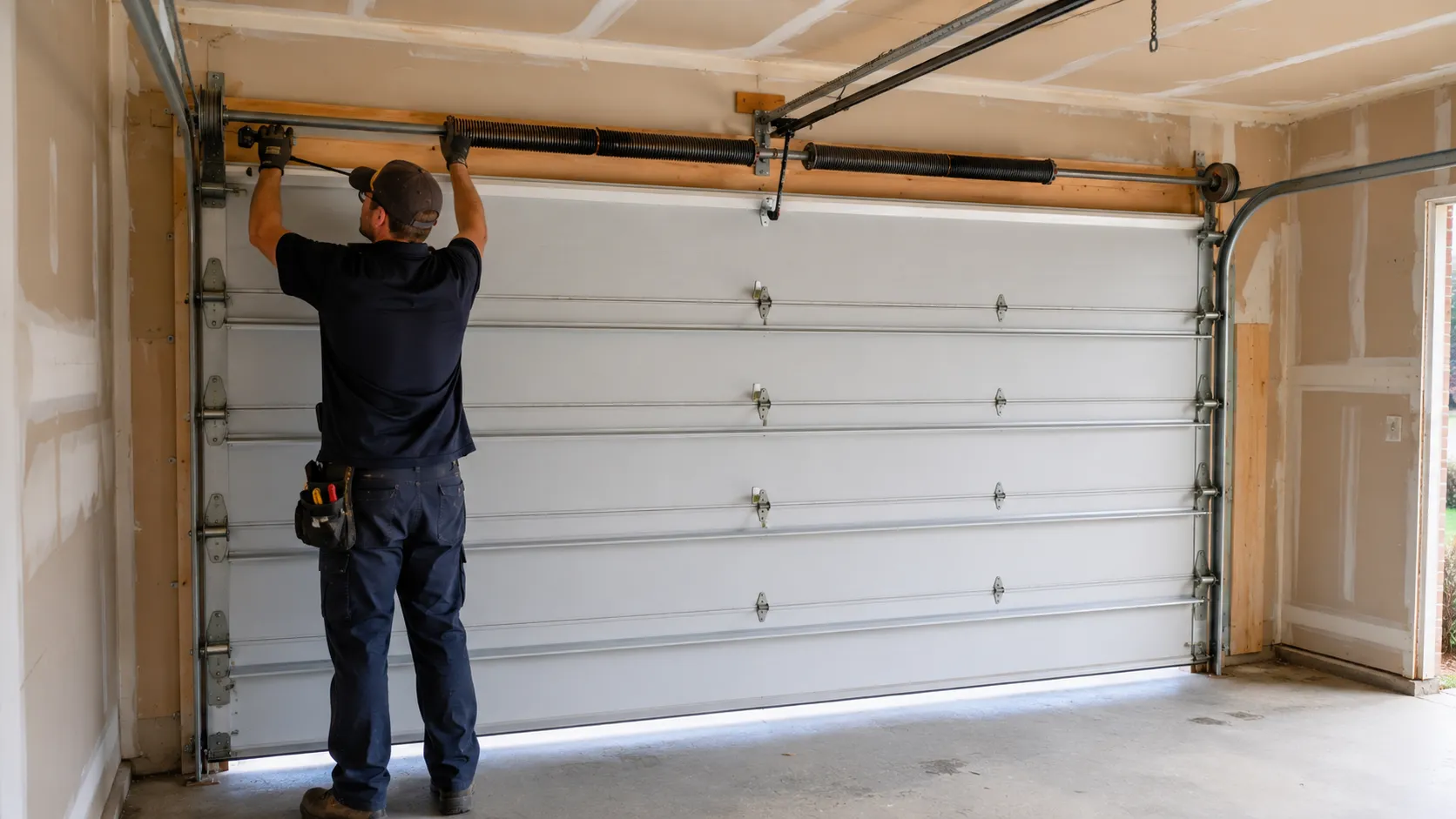
This area sits in a cold, severe climate band. That's not a marketing phrase, it's a classification that means real freeze-thaw cycling, sustained sub-freezing stretches, and enough temperature swing to work metal and wood at their joints year after year. On a door built before insulation rules were common, you don't get a thermal break between the outside skin and the inside surface.
The steel (or the wood, on the older end of that 1938-1996 range) conducts cold straight through, which means condensation forms on the inside face during cold snaps. That moisture finds its way into seams, into the bottom weather seal, into any spot where the panel has started to separate from the frame.
Over enough winters, that cycle is what turns a stiff-but-working door into one that binds on the track, or a panel that's started to bow. It's not one storm doing the damage. It's forty or fifty years of the same freeze-thaw pattern acting on hardware and material that was never built to shed it.
Season by Season
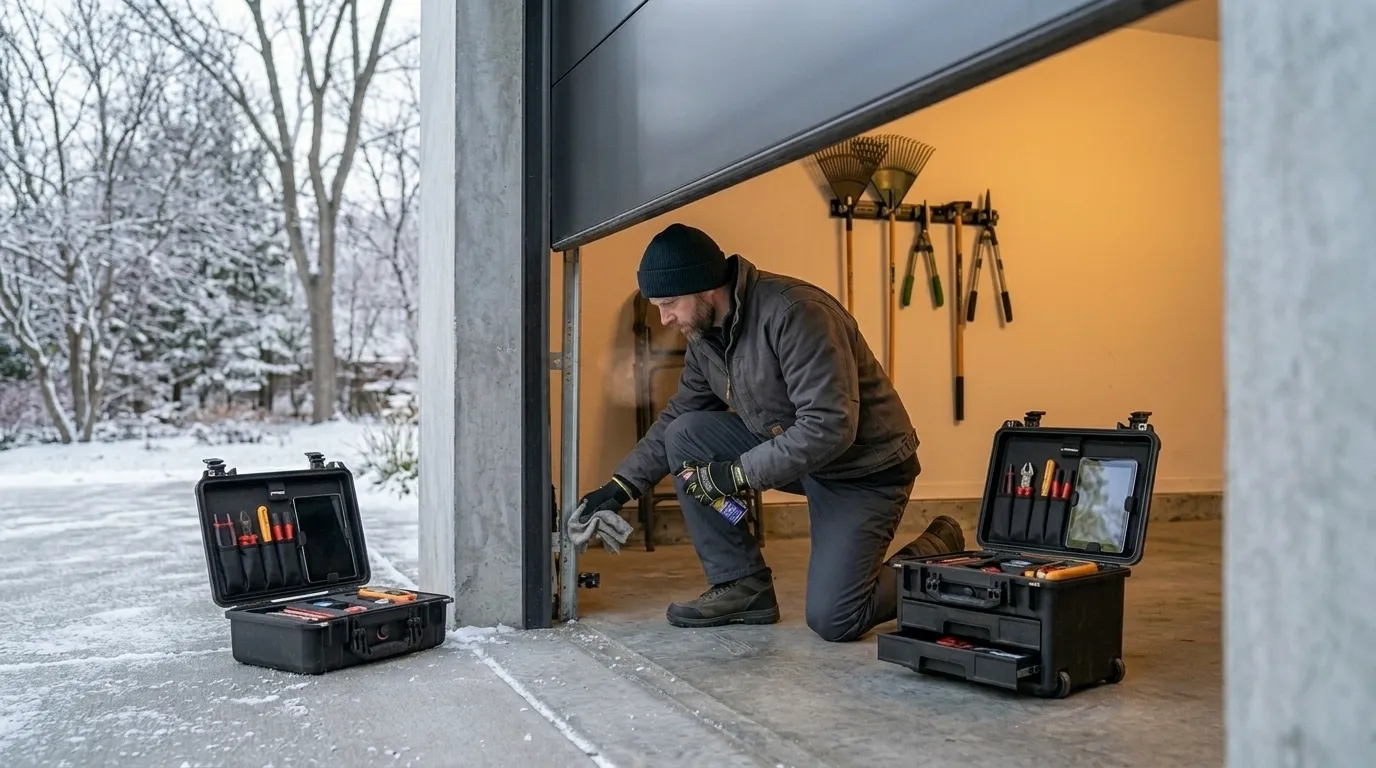
Late fall is when an uninsulated door starts to matter. Temperatures drop enough that the metal contracts, and any gap in the weatherstripping that you didn't notice in August becomes a cold draft you feel standing in the garage.
Deep winter is when the freeze-thaw cycling does its real work: ice forms at the bottom seal overnight, the sun or a warm afternoon melts it, water gets under the seal, it refreezes. Repeat that through a Wayne winter and you get a bottom seal that's cracked or a track that's rusted at the base.
Spring is when people notice the damage from that cycle: a door that's harder to lift, a panel that's visibly warped, hardware that's seized. Summer is the easiest season on an old door, but it's also when the wood-frame houses from the earlier end of that 1938-1996 range can shift slightly with humidity, which can throw a track out of alignment that was already borderline from the winter before.
What Most People Get Wrong
The common mistake is treating a stiff or noisy door as a lubrication problem. Sometimes it is.
But on a house from the pre-1960 end of Wayne's housing stock, a door that's binding in January is often telling you the panel has lost its shape from years of thermal cycling, not that it needs oil. Spraying WD-40 on a rusted track doesn't fix a seal that's let moisture into the panel core for a decade.
The other mistake, and I'll say this plainly because it's the honest answer more often than people want to hear: replacement beats repair once a door from that era has warped panels or a rotted bottom section. A new insulated door with a proper thermal break handles this climate the way the old one never could, and trying to patch an original 1959-era door with modern weatherstripping alone won't get you there. I won't sell someone a repair that's just going to fail again the next cold snap if the door itself is the problem, not the parts on it.
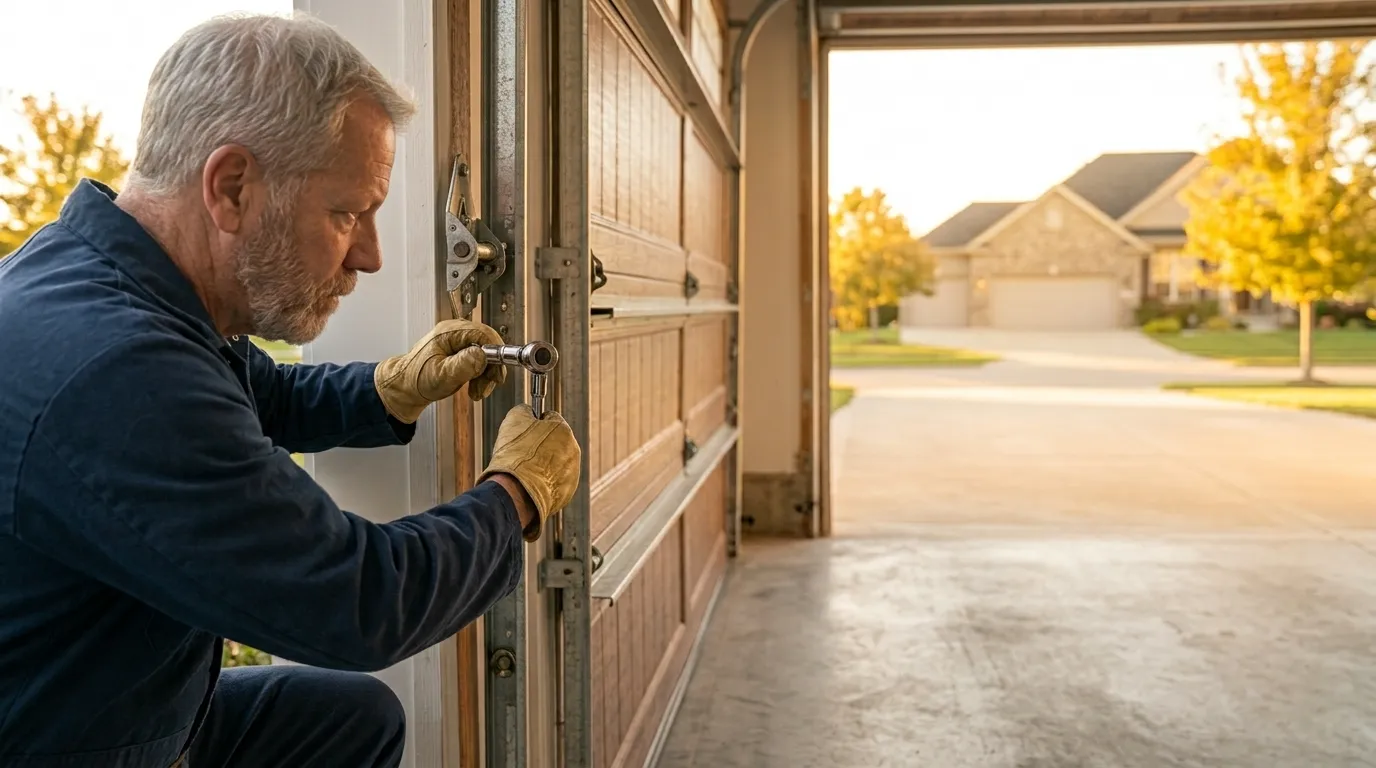
How We Can Help
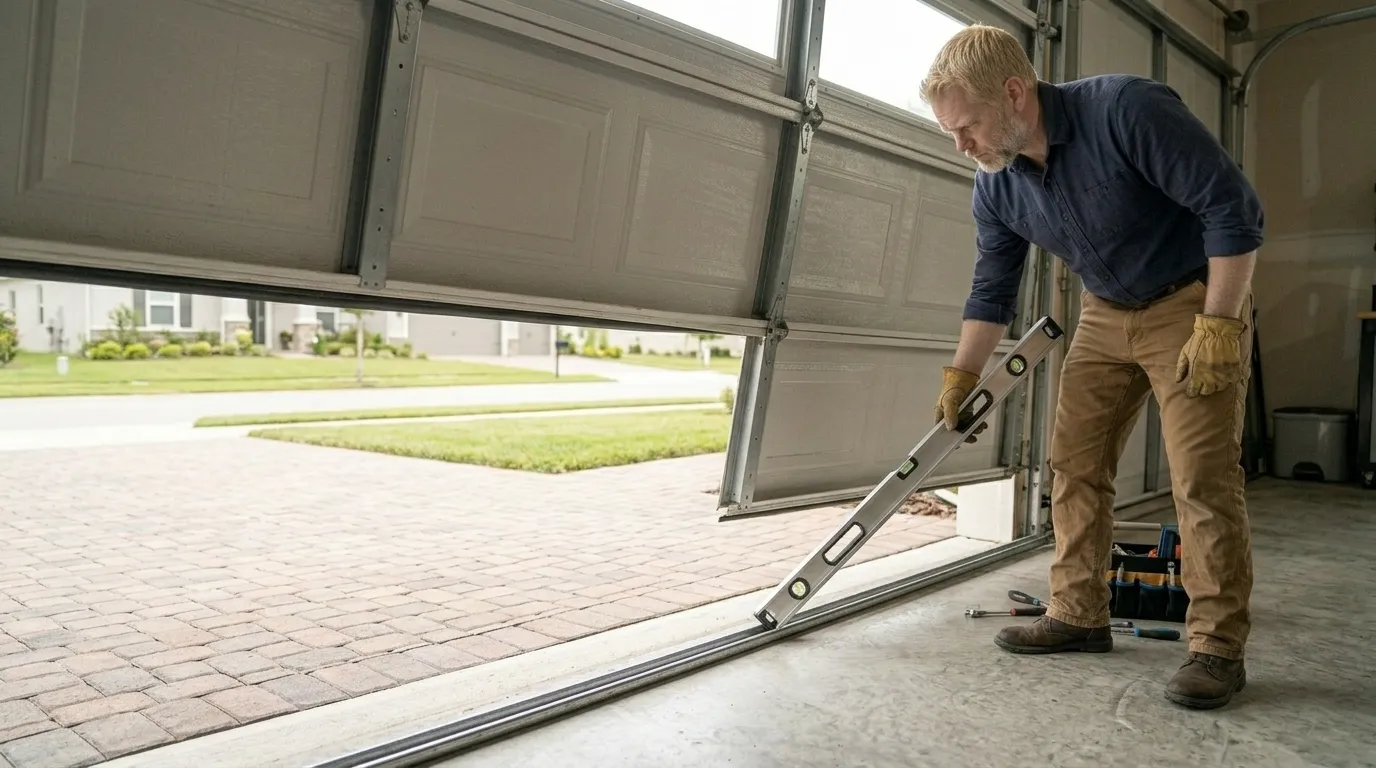
Garage Door Installation
New sectional doors sized and installed for the housing stock actually built in this area.
Learn more →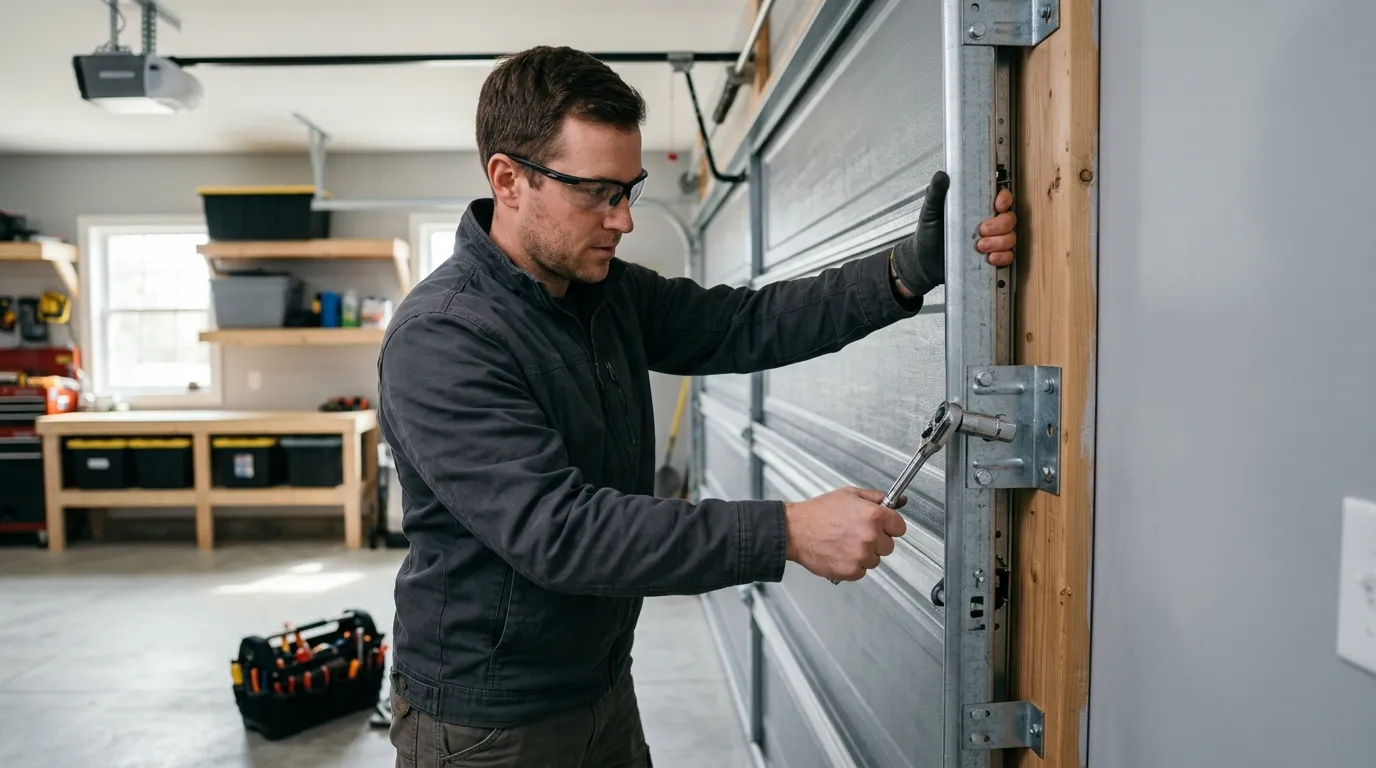
Garage Door Panel Replacement
Dented or cracked panels swapped without replacing the whole door where the frame is sound.
Learn more →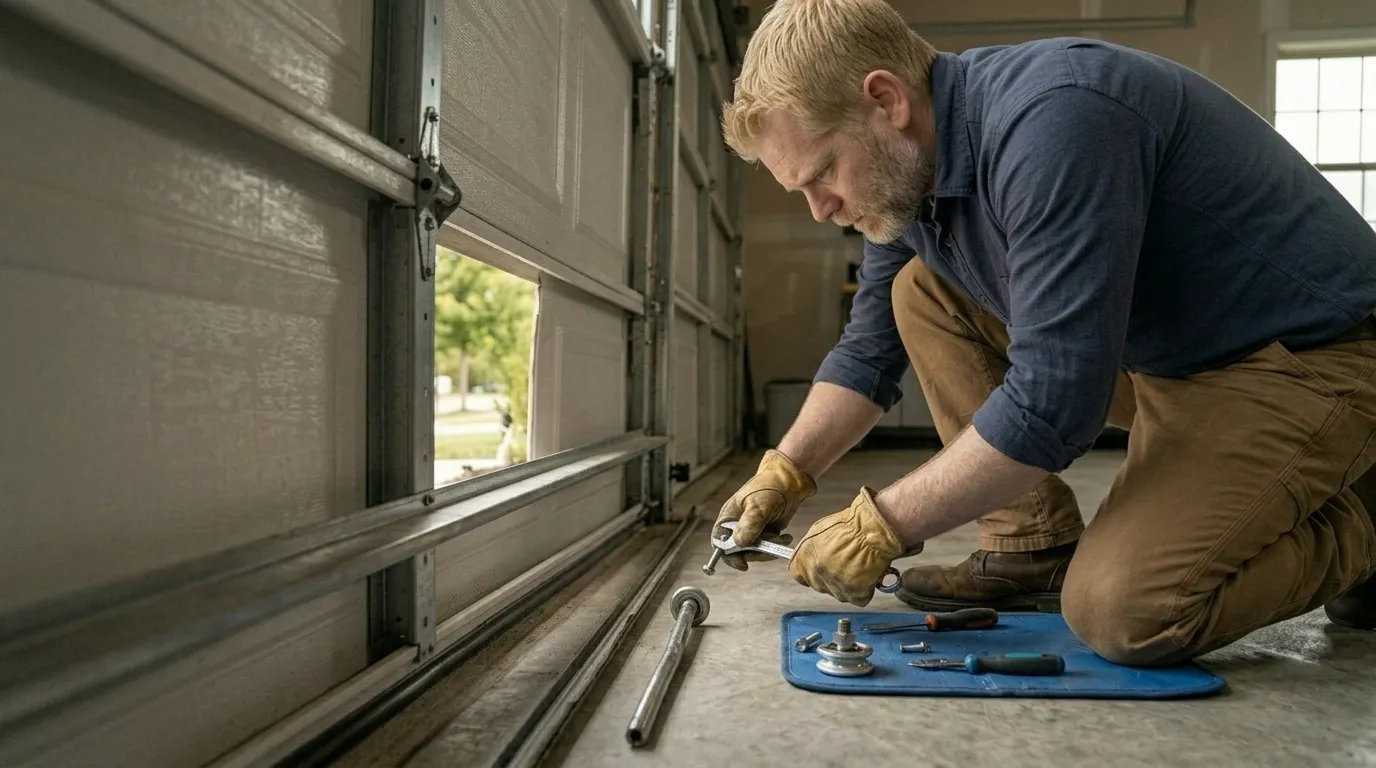
Garage Door Cable Repair
Frayed or snapped lift cables replaced and tensioned so the door lifts level and safe.
Learn more →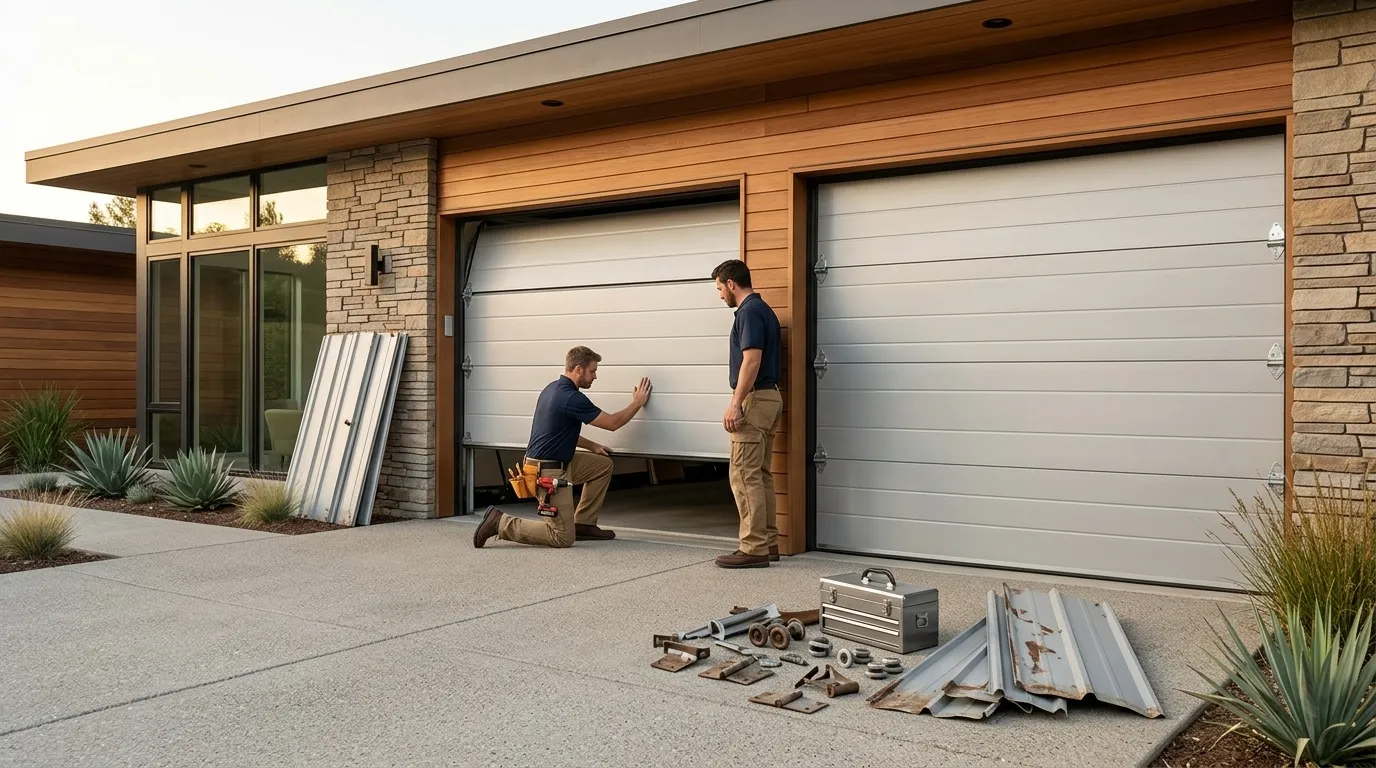
Garage Door Repair
Springs, cables, tracks, rollers, and openers fixed by a tech who explains the problem before touching anything.
Learn more →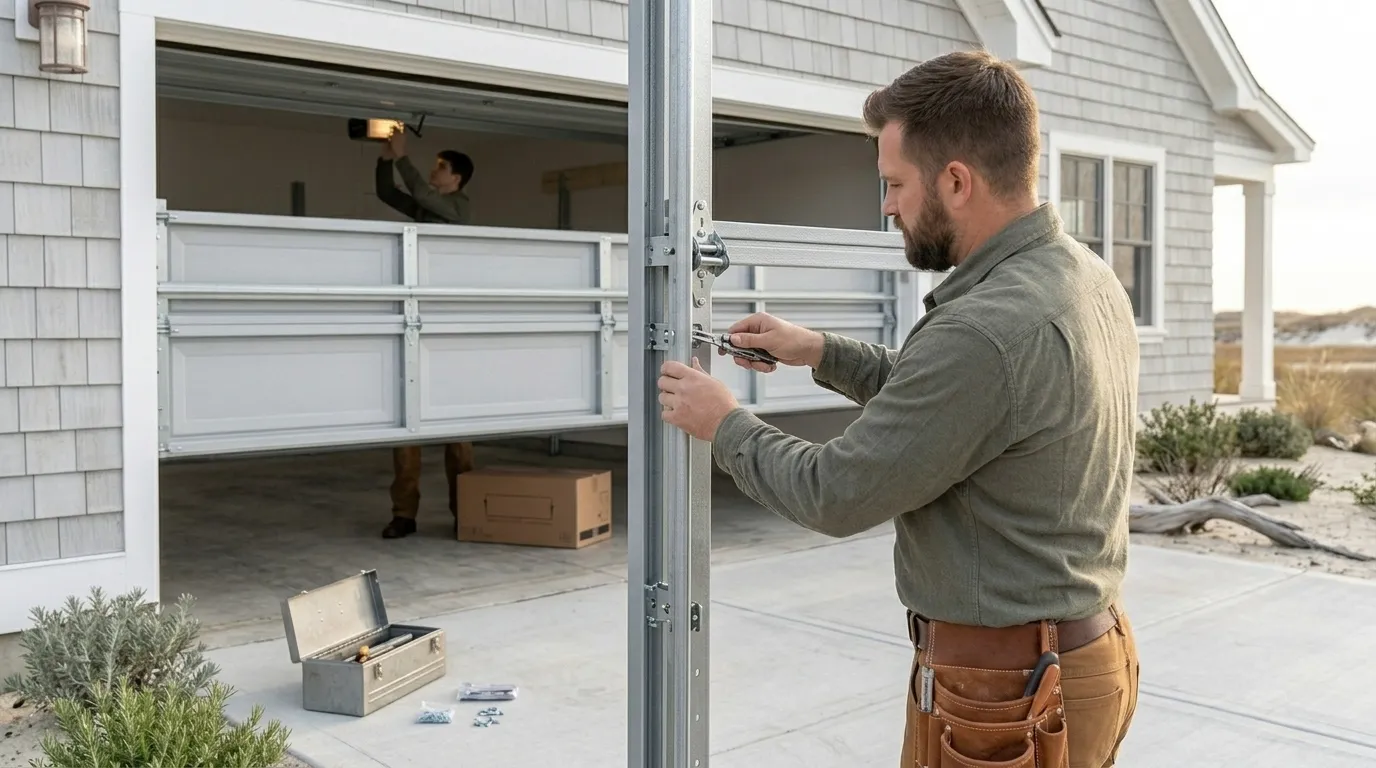
Garage Door Opener Repair
Openers that hum, stall, or reverse - diagnosed and fixed, from worn gears to logic boards.
Learn more →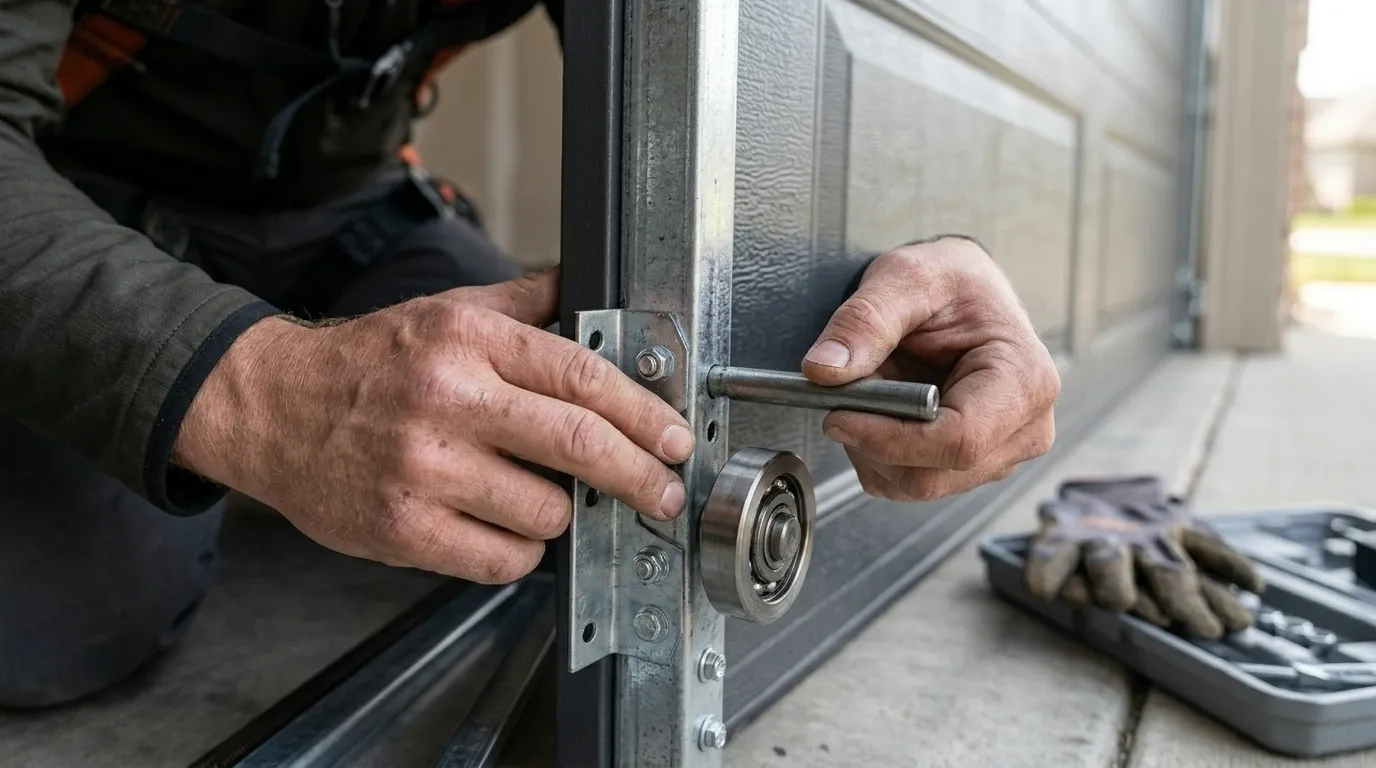
Garage Door Off Track
Doors that jumped the track reset safely, with rollers and alignment checked so it holds.
Learn more →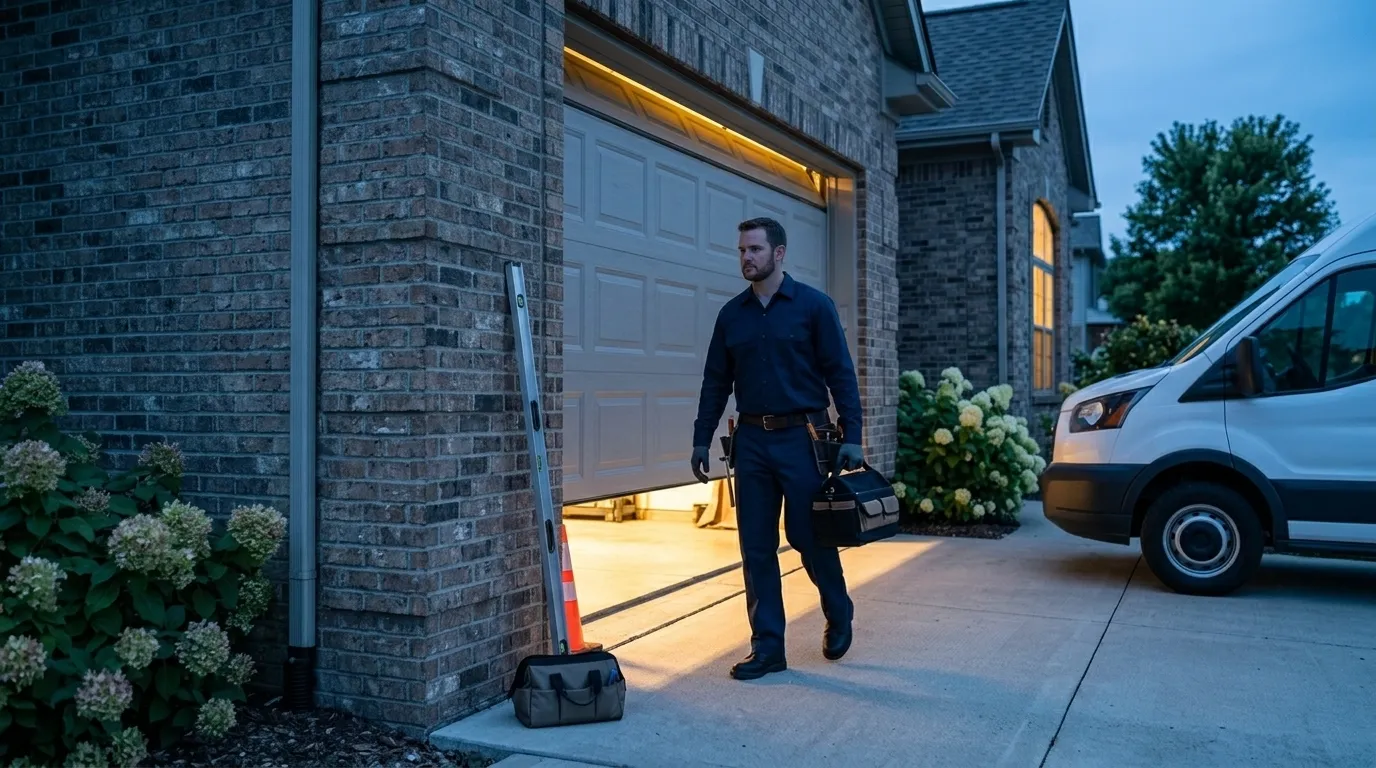
Garage Door Service
Tune-ups, lubrication, and safety checks that catch a small problem before it becomes a service call.
Learn more →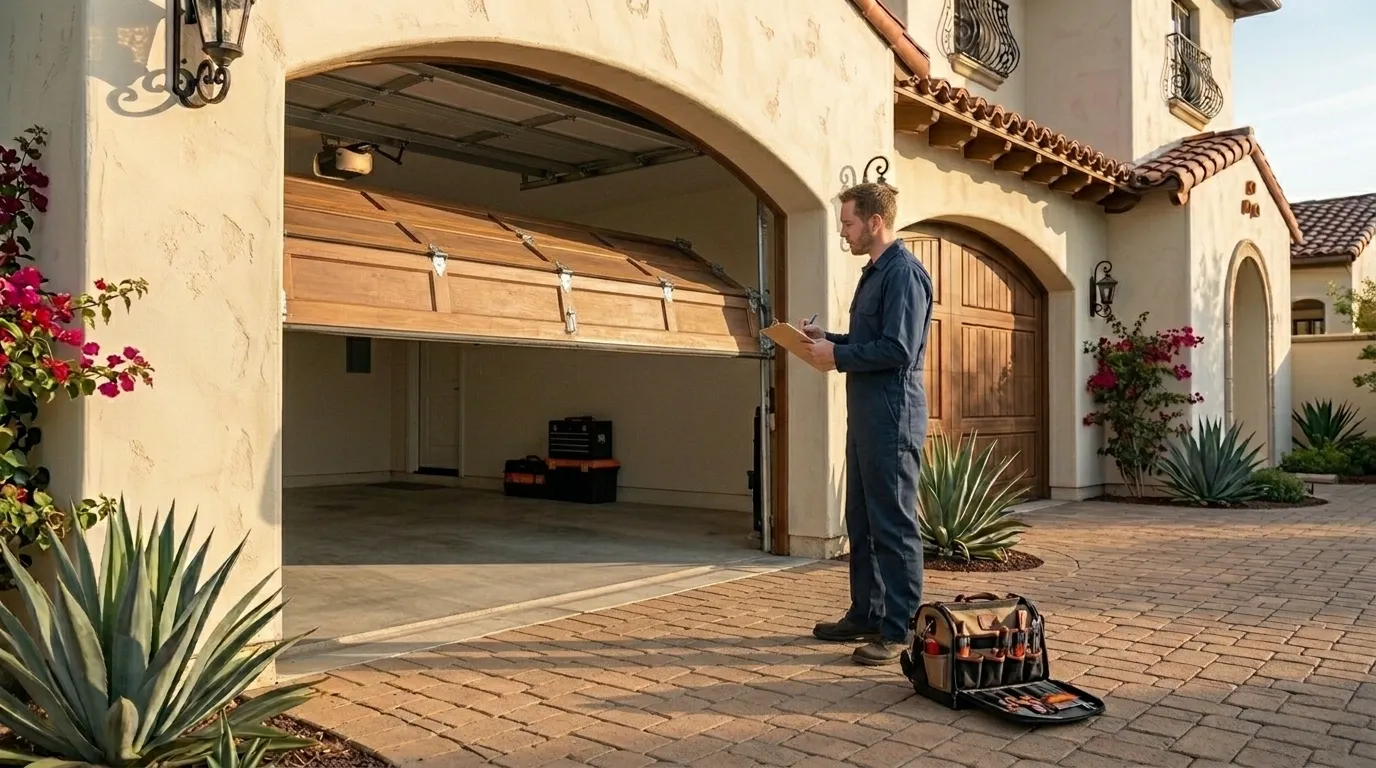
Garage Door Opener Installation
New openers sized to your door and set up with the safety sensors dialed in.
Learn more →Frequently Asked Questions
Why does my garage door feel cold or drafty inside during winter?
If your house is on the older end of Wayne's 1938-1996 housing range, your door likely has no thermal break between the outside skin and inside surface. In a cold, severe climate, that lets outside temperature conduct straight through, which is why the garage feels as cold as the driveway even with the door shut.
Is it normal for my door to bind or stick every winter?
On an original door from this area's mid-century housing stock, yes, it's common. Repeated freeze-thaw cycling works at seams and hardware over decades. It's worth checking whether the binding is track misalignment (fixable) or panel warp (usually means the door itself needs replacing).
Should I insulate my old door or just replace it?
Depends on the door's condition. If the panels are still square and the frame's sound, adding insulation and new weatherstripping can help. If the panel's bowed or the bottom section has taken on water damage over the years, insulating it won't solve the underlying problem, and replacement is the better use of money.
Have a Door That Needs a Second Opinion?
Call and describe what it is doing - we will tell you what it likely is.