
Service
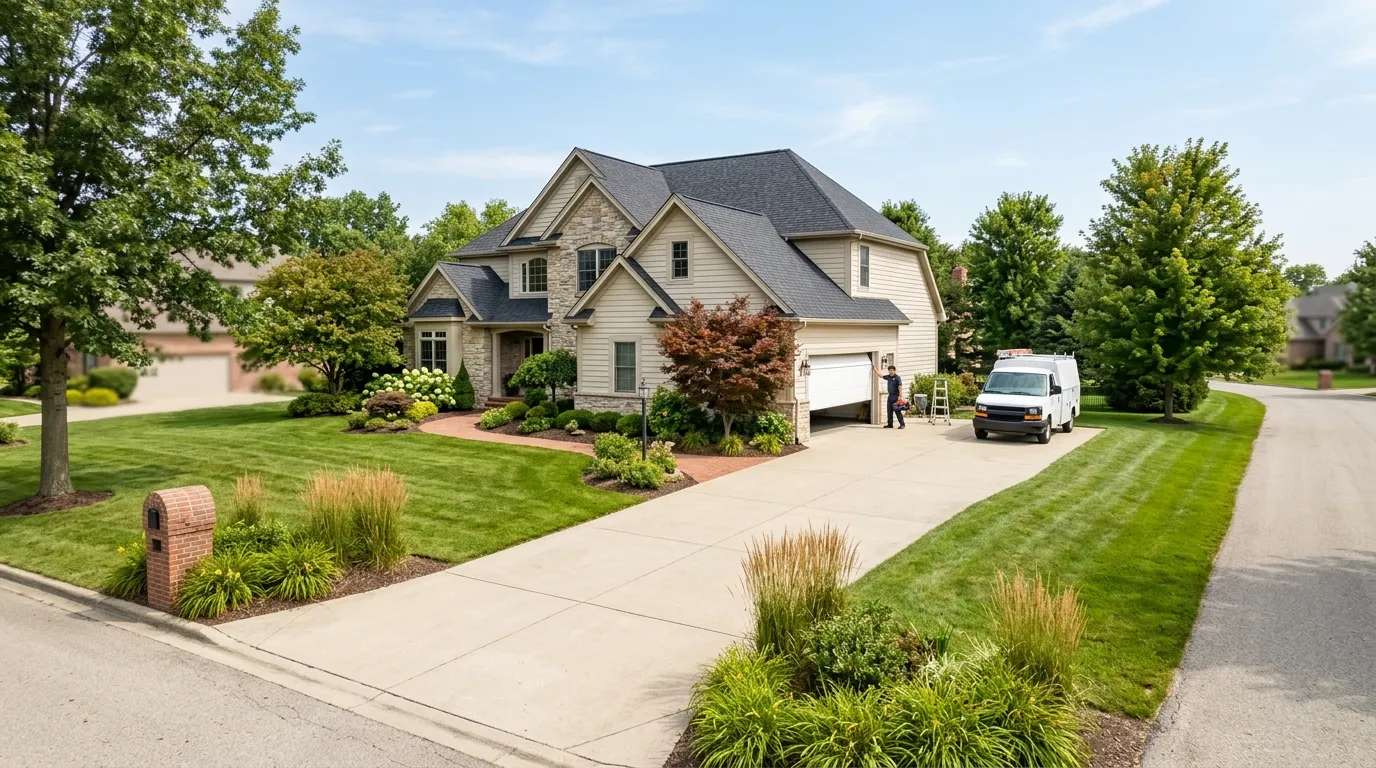
Garage Door Panel Replacement in Wayne
Cracked or dented garage door panels are common on Wayne's 1938-1996 housing stock. See why panel damage happens here and what replacement actually involves.
- Licensed & Insured
- Same-Area Service Calls
- Upfront Pricing
What Happens When You Call
-
1
Call or Request a Quote
Tell us what the door is doing and roughly how old the house is - that alone points us toward the likely part before a truck leaves.
-
2
On-Site Diagnosis
A tech checks the spring, cables, tracks, and opener in person and tells you plainly what is actually wrong.
-
3
Straight Price, No Surprises
You get a number before any work starts. It covers parts and labor, nothing added after the fact.
-
4
Fixed the Same Visit
Most repairs are done in one trip. If a part needs sourcing, we tell you that upfront instead of guessing.
The Complications
Panel replacement sounds simple until you're standing in front of the door. Most sectional doors are sold as a matched set - the panel, the hinges, the roller brackets, and the paint finish all come from one production run. On a house built in the 1950s or 60s, which describes a lot of Wayne, that run ended decades ago.
The manufacturer may not exist anymore, or the model may have been discontinued twice over. That means the new panel often doesn't match the old ones in color, rib pattern, or even hole spacing for the hinges.
There's also the structural side. A single damaged panel on a door that's flexed and settled for fifty-plus years isn't sitting square anymore. Swap in a factory-fresh panel and the door can bind on the track, or the seams between old and new sections show daylight gaps that let in wind and cold.
The honest limitation here: if we can't source a panel that matches the existing door's profile and gauge, we'll tell you straight rather than force a mismatch that fails in a year. Sometimes the right call is replacing the section, sometimes it's the whole door. We won't know which until we look at what's actually on the house.
Why It Happens Here
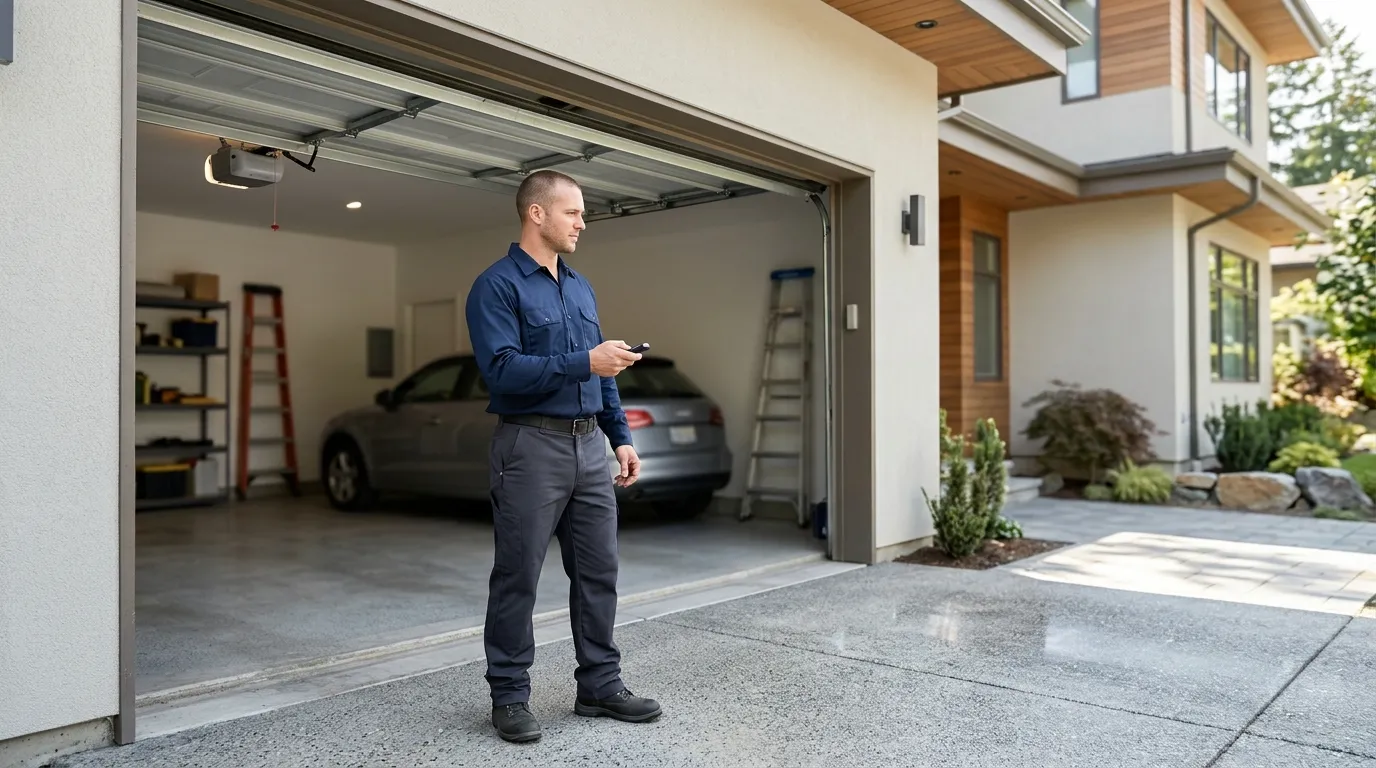
Wayne's housing stock runs mostly 1938 through 1996, with a median build year around 1959, and that's true across most of the 152 named areas that make up this service region. Doors installed on houses from that era were often steel or aluminum sectional panels, sometimes only one layer thick with no insulation core - fine for the decade they went in, but thin metal that dents easily and doesn't flex back.
The climate band here is classified cold and severe, which matters more than people think for panel condition. Freeze-thaw cycling through a winter puts repeated stress on any panel that already has a dent or a stress crack, because water gets into the seam, freezes, and widens it. A panel that would just look bad in a warmer climate becomes a panel that buckles or splits here after a few seasons.
Put those two things together - older, thinner original panels and a climate that punishes existing damage - and panel failure shows up on this kind of housing stock far more than on newer builds with insulated, multi-layer doors.
The Cost of This Job
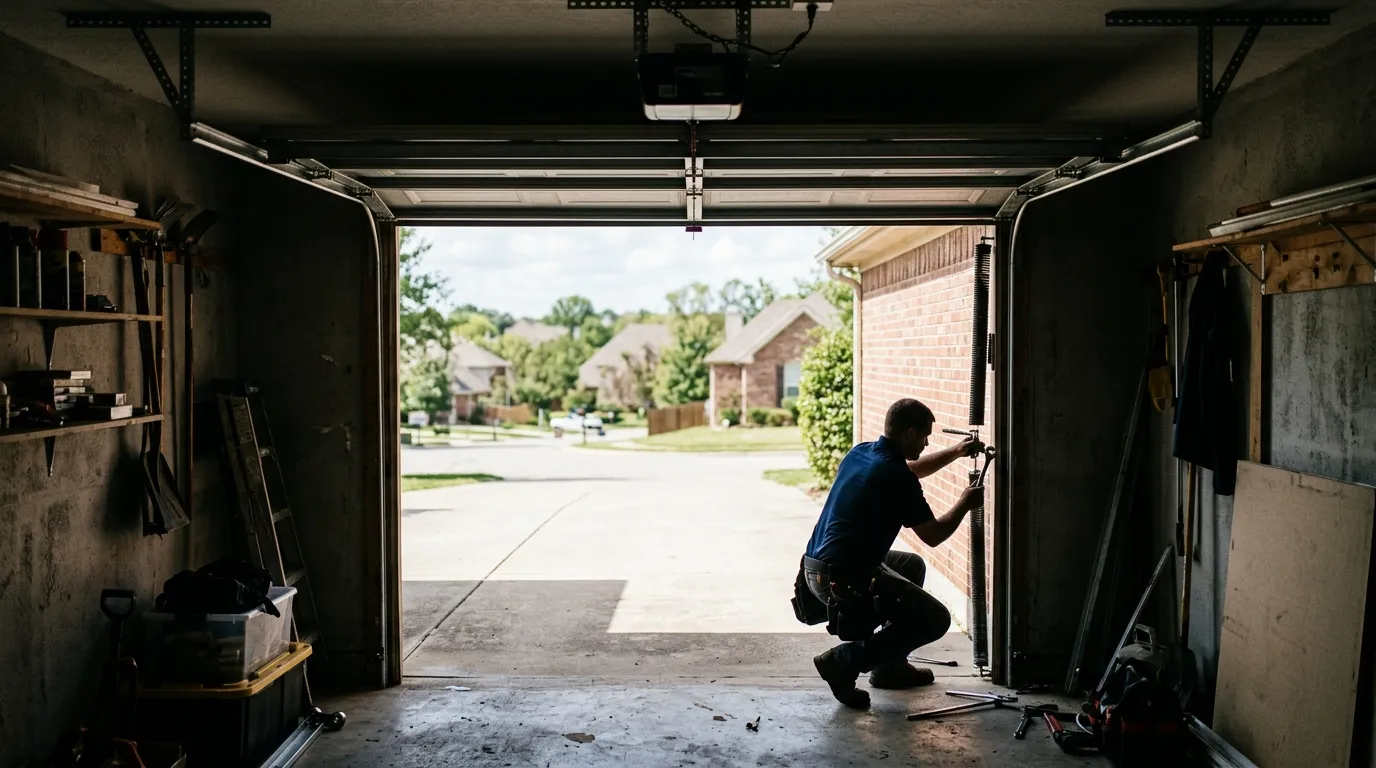
We're not going to quote a number here, because panel replacement cost swings on things we can't know until we're on site: whether the panel is still made, whether it's insulated or single-layer, whether the track and hinges need adjustment to take the new section, and how many panels are actually damaged versus just cosmetically worn.
What we can tell you is how households in this area tend to make the decision. Median household income across the service region sits around $126,078, and with roughly 345,213 owner-occupied houses in the wider area, a lot of homeowners are weighing a panel swap against a full door replacement on a house that's already 60-plus years old. If the door is original to a house built near that 1959 median, sourcing one matching panel can cost close to half of what a new insulated door runs - at which point replacement is the better use of the money, not the repair.
We'll give you both numbers on the visit: what the panel fix costs and what a full door costs, so you're deciding with real figures, not guesses.
The Symptom
You know it's a panel problem, not a spring or opener problem, when the damage is localized - a dent from a car bumper, a crack along one seam, a section that's buckled inward but the door still opens and closes on the track. If the whole door is sagging or won't stay up, that's a spring issue, different job entirely.
Look for these specific signs: a visible gap of daylight between two panels that wasn't there before, rust starting at a seam where water's been sitting after freeze-thaw cycling, or a section that's bowed enough that the weatherstripping no longer seals against the frame. On older doors common to this area's housing stock, you'll sometimes see the paint cracking along a bend line before the metal itself gives - that's an early warning, not yet an emergency.
If you're hearing scraping or grinding when the door moves near one section, stop running it. A bent panel dragging on the track can wear a roller fast and turn a panel job into a track job too.
Talk to a Technician Before You Book
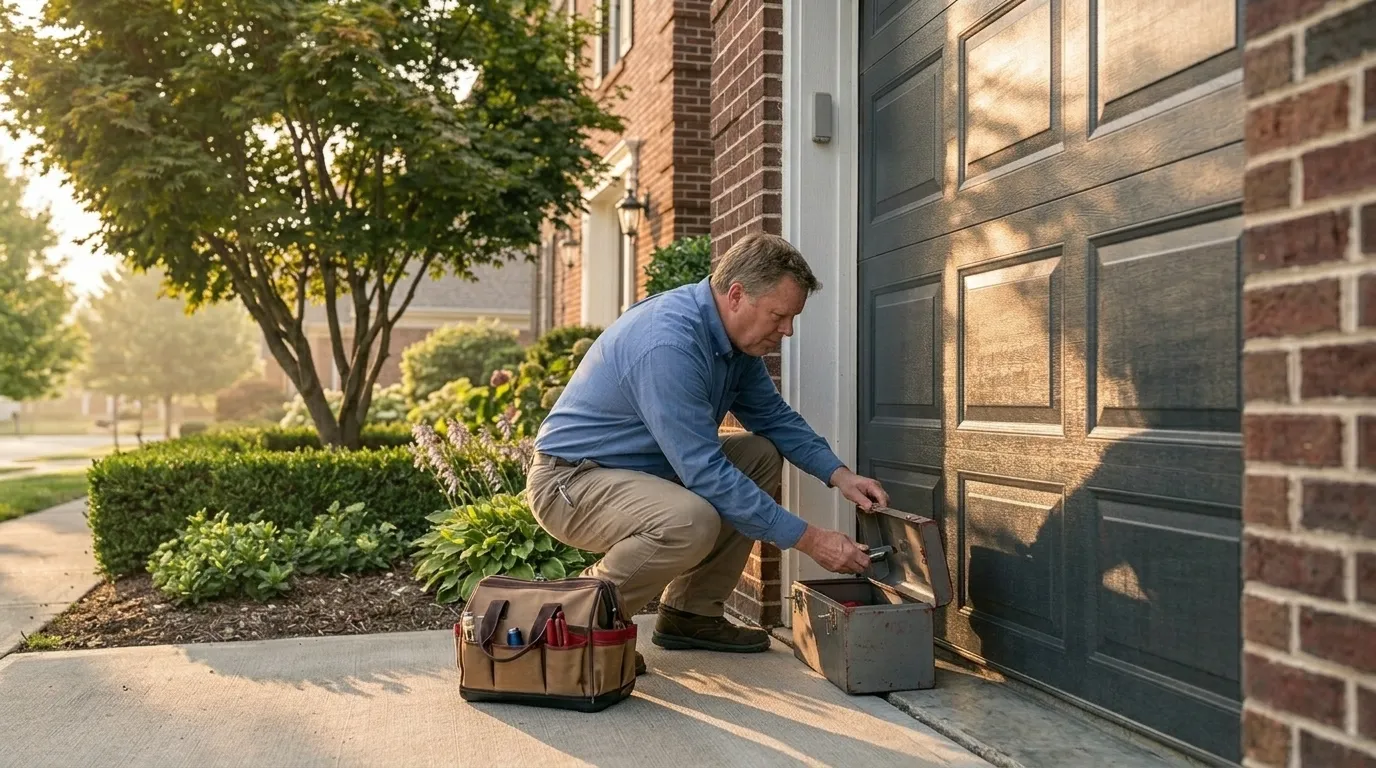
Describe what the door is doing and get a straight answer on what it likely needs.
Jobs Like Yours
Recent work from this service line.
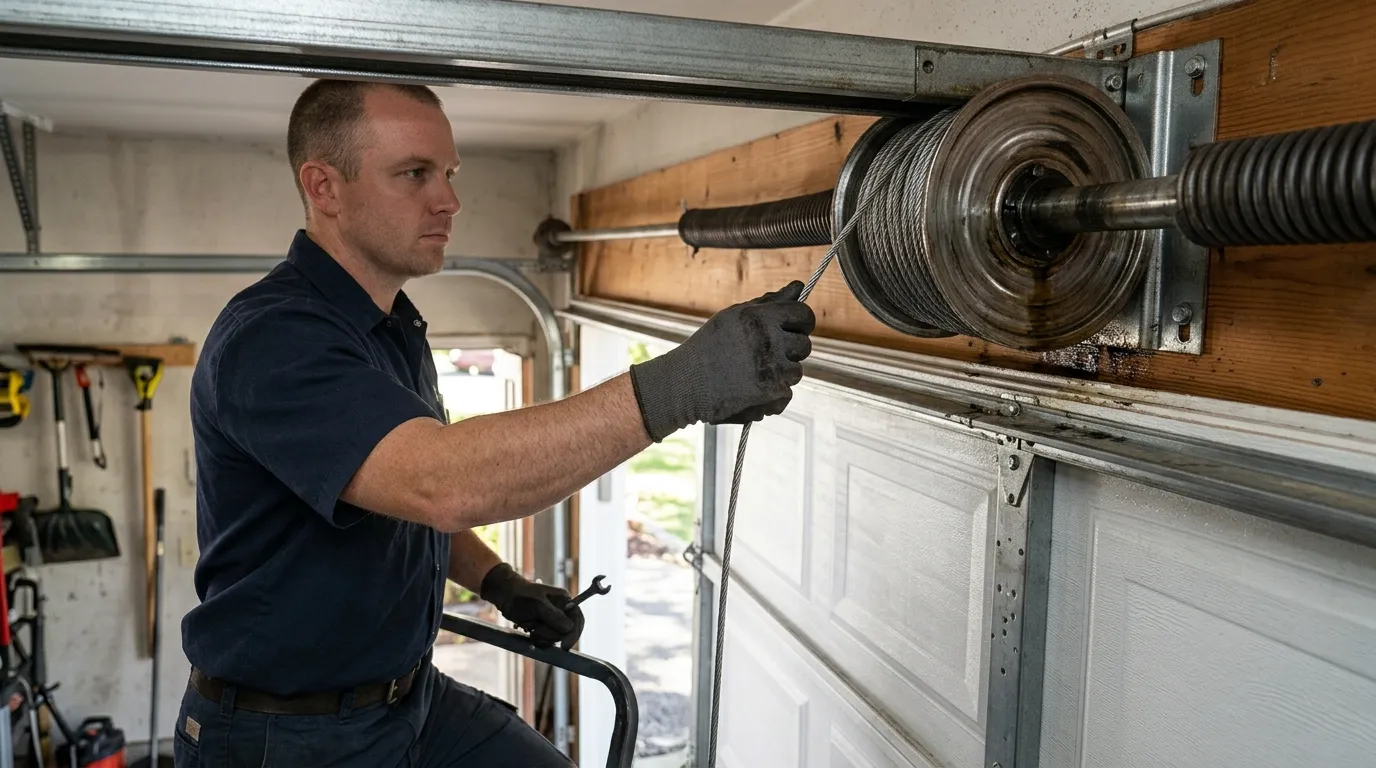
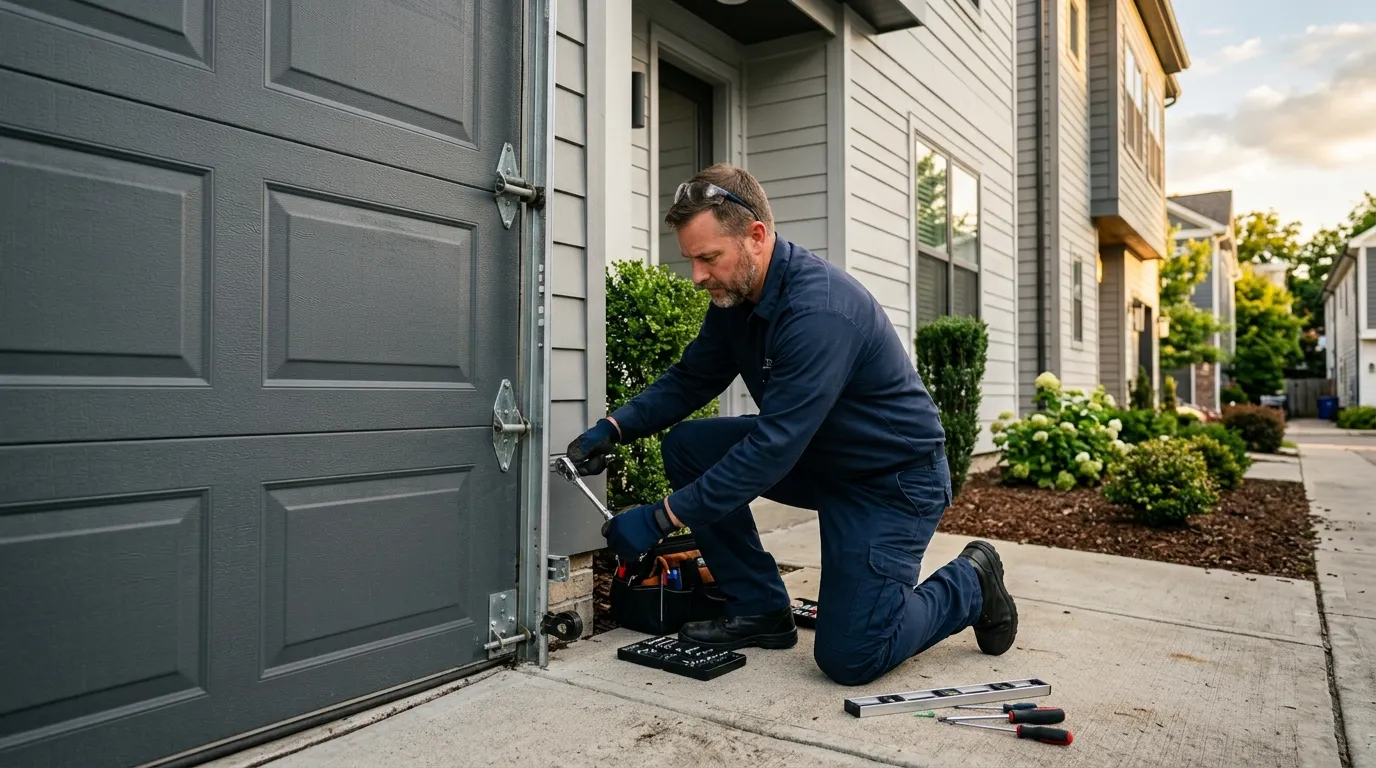
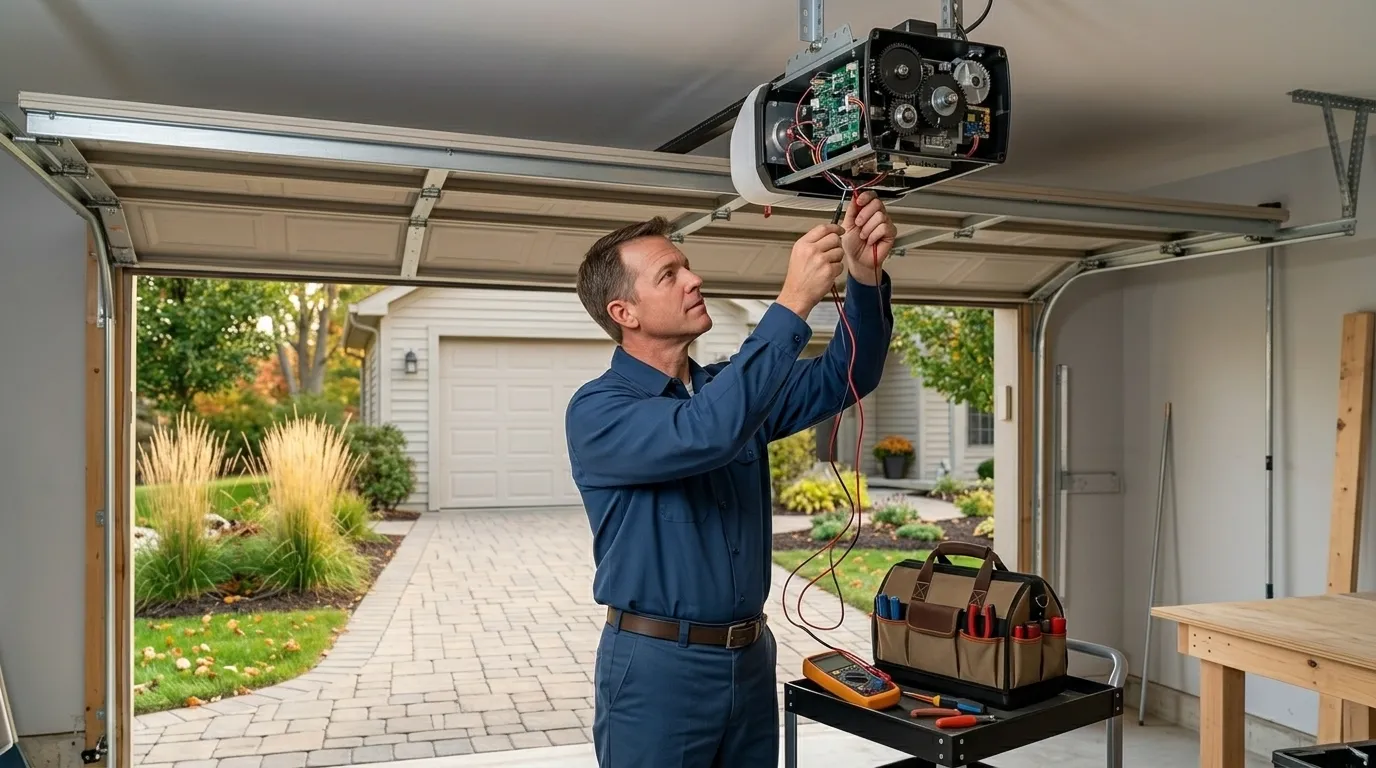
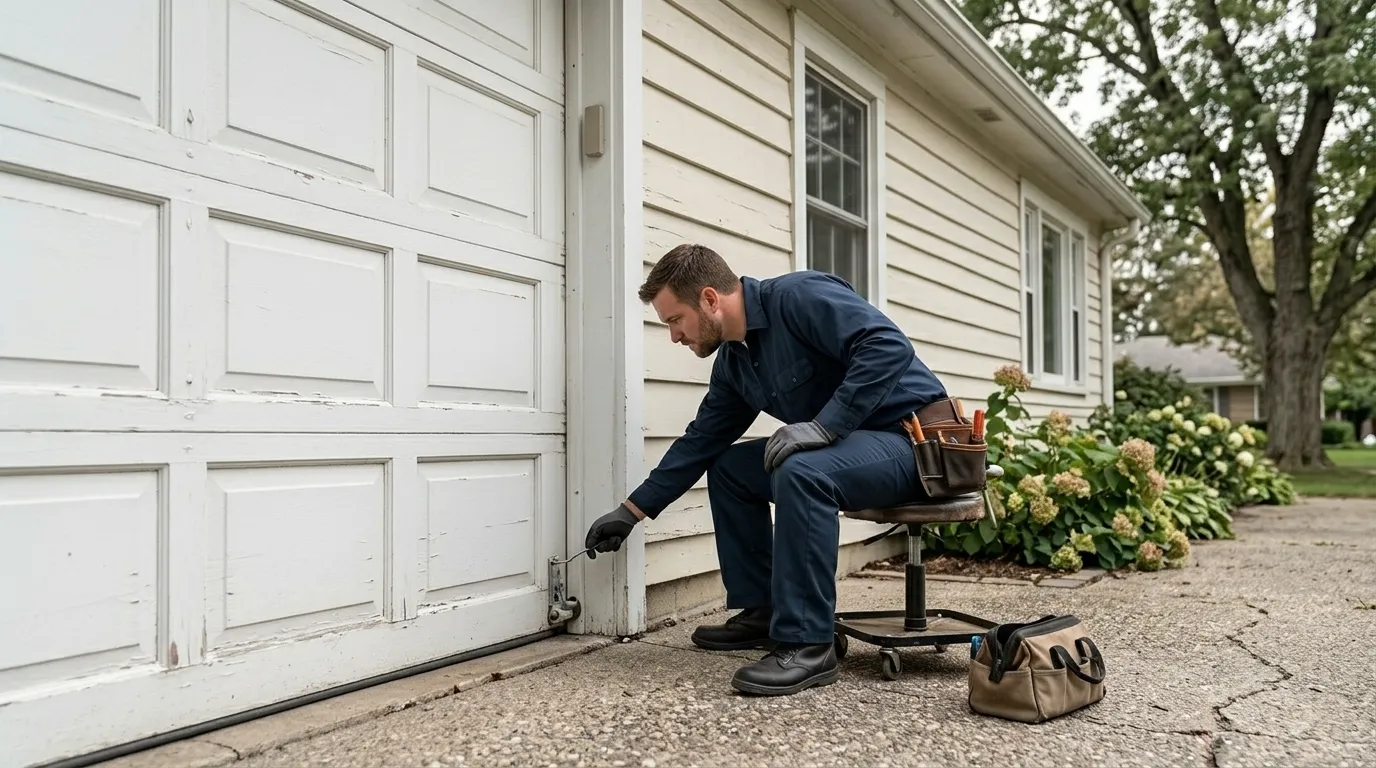
Why Wayne Calls Us
Frequently Asked Questions
Can you match the panel to my existing garage door?
Sometimes. If the door model is still made or a compatible section exists, yes. On houses in this area built decades ago with discontinued models, we often can't get an exact match and will tell you that upfront rather than install something that looks wrong or fits poorly.
Is one damaged panel a sign I need a whole new door?
Not always. If the rest of the door is sound and the panel is available, a single-section swap is usually the cheaper fix. On older doors near the area's 1959 median build year, though, sourcing one panel can cost enough that a full replacement makes more financial sense.
Why does my garage door panel keep cracking in the same spot?
That's usually freeze-thaw damage. Water works into an existing dent or seam crack, freezes in cold weather, and widens the split each cycle. It's a common pattern in this climate band on older, thinner steel panels that weren't insulated when they were built.
Do you serve towns near Wayne for this job?
Yes, we cover panel replacement across the surrounding area, including towns like Totowa, Fairfield, and Pompton Plains a few miles out. Each town has its own page with local detail, but the panel work itself is the same across the service area.
Need Garage Door Panel Replacement in Wayne?
Call now for straight answers on cost and timing.