
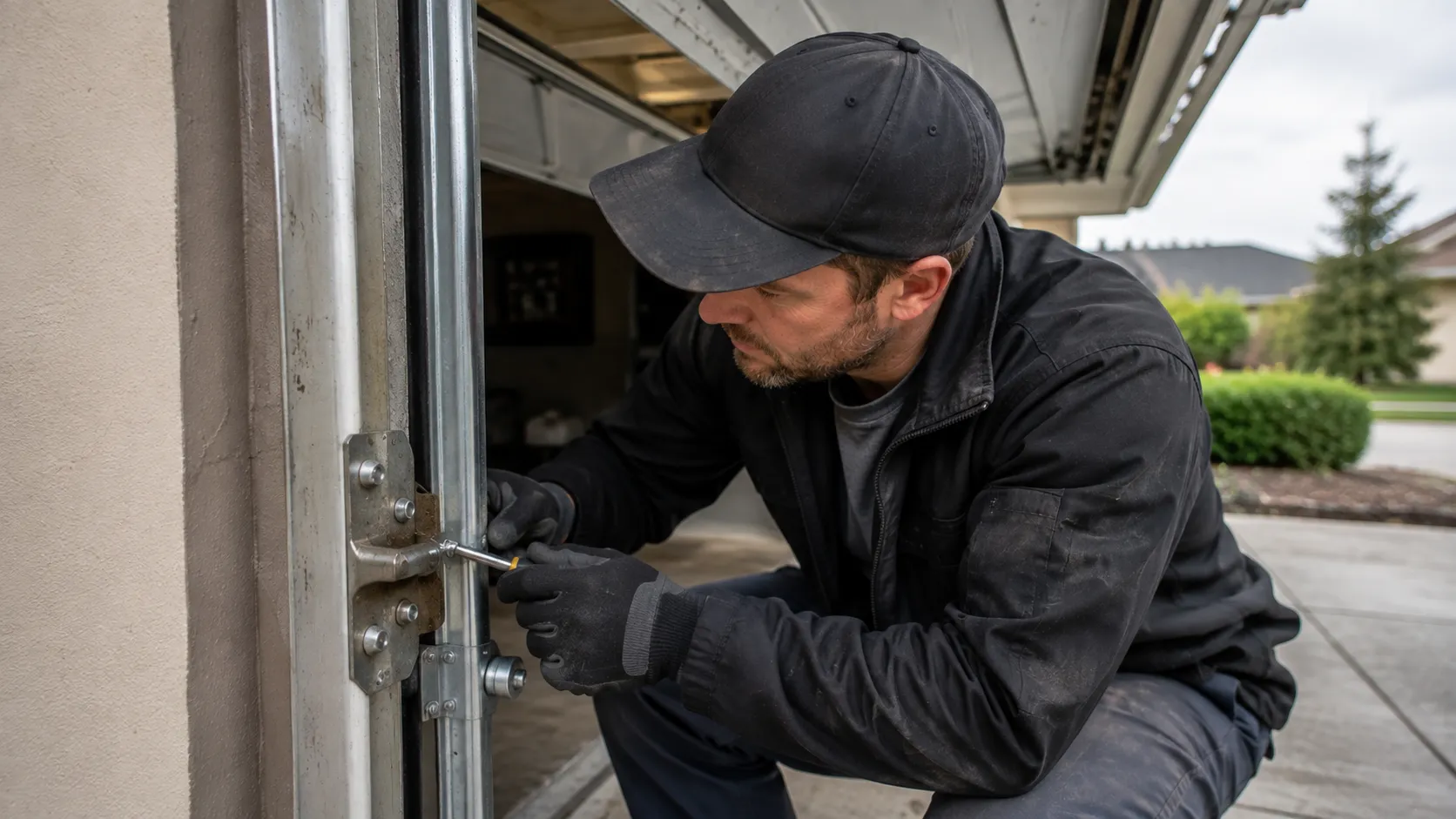
Garage Door Repair in Totowa
Garage Door Repair for Totowa's 1958-Era Housing Stock
Totowa homes date to about 1958, with torsion springs and openers built for older tracks. Wayne Garage Door Pros repairs garage doors 3 miles from Wayne.
- Licensed & Insured
- Same-Area Service Calls
- Upfront Pricing
What Happens When You Call
-
1
Call or Request a Quote
Tell us what the door is doing and roughly how old the house is - that alone points us toward the likely part before a truck leaves.
-
2
On-Site Diagnosis
A tech checks the spring, cables, tracks, and opener in person and tells you plainly what is actually wrong.
-
3
Straight Price, No Surprises
You get a number before any work starts. It covers parts and labor, nothing added after the fact.
-
4
Fixed the Same Visit
Most repairs are done in one trip. If a part needs sourcing, we tell you that upfront instead of guessing.
The Complications
Totowa's median household income comes in at $114,177 - noticeably below the $126,078 median across the wider service area we cover from Wayne. That gap matters when a torsion spring snaps or an opener burns out: on a door in that income bracket, a full replacement is a harder decision than a spring swap, and it's why we look hard at whether a fix will hold before we recommend tearing a door out. Add to that the housing stock: most of this corner of New Jersey went up between 1938 and 1996, with the local median landing around 1958.
A door installed on a house built in 1958 has been through six decades of New Jersey winters, and the hardware on it - single torsion springs, older jamb brackets, sectional tracks - isn't stocked the way current parts are. The area sits in a cold-severe climate band, so metal fatigue in springs and cables runs faster here than in milder regions, and cold mornings are when a marginal spring finally lets go. Totowa itself has about 3,892 households, compared with 1,067,734 across the service area we cover from Wayne, a reminder of how small a piece of the map this is.
Put the age of the hardware and the income math together, and the repair conversation here looks different than it does in newer, wealthier pockets of the same area.
What the Repair Takes
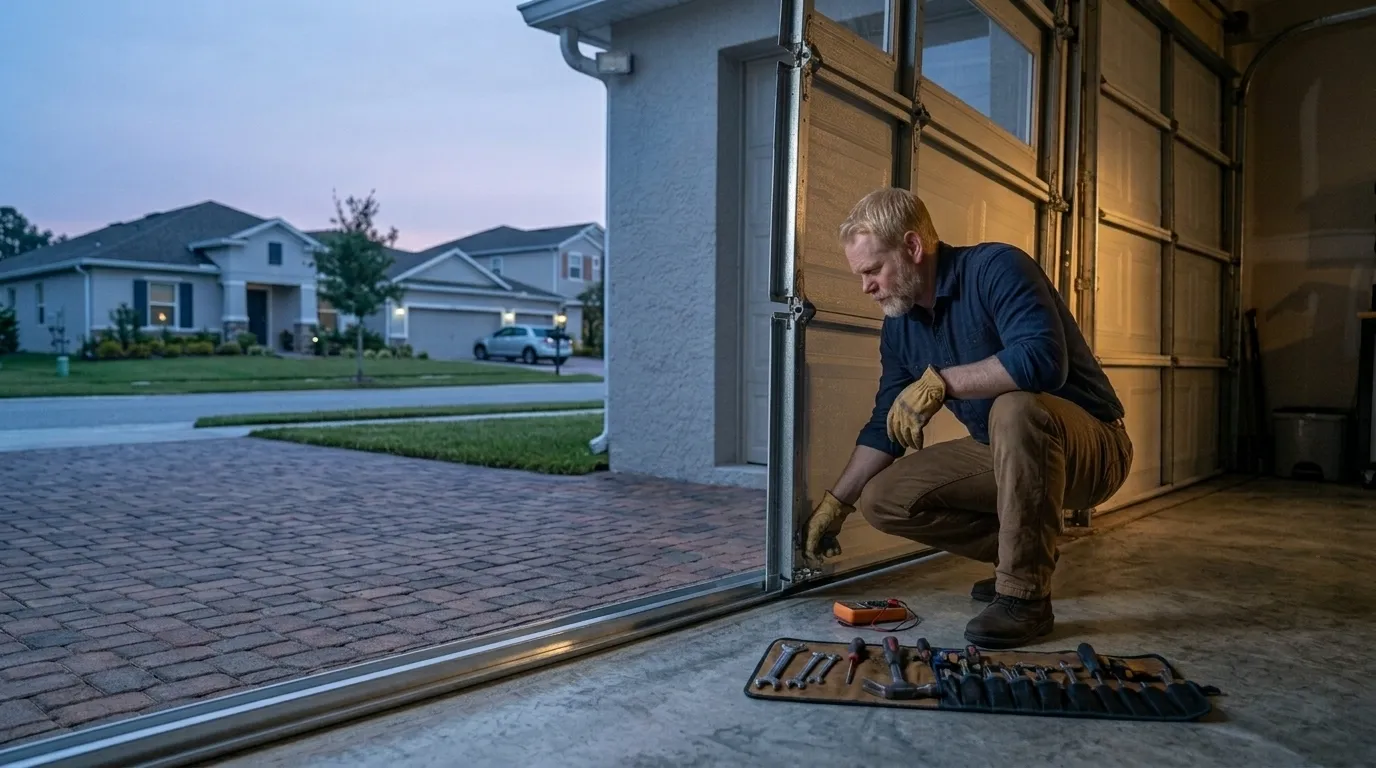
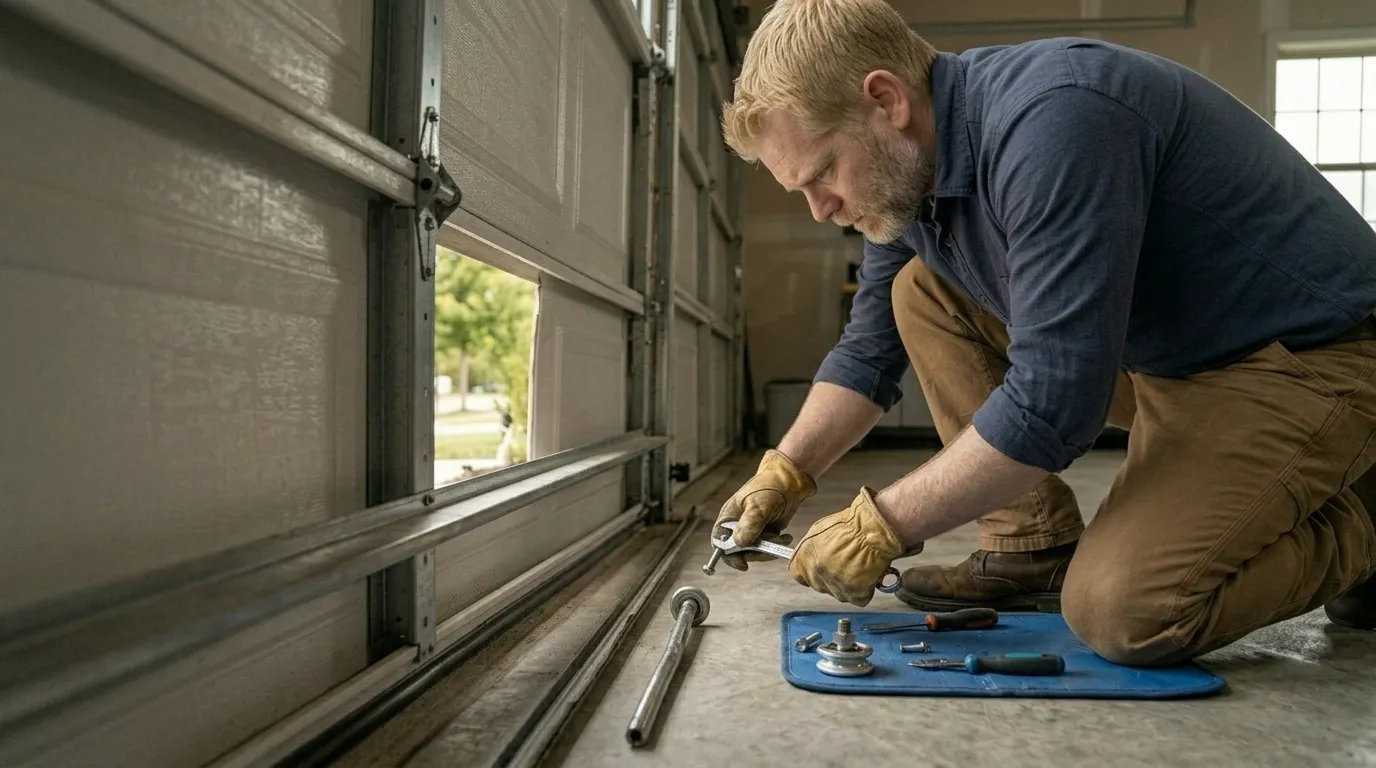
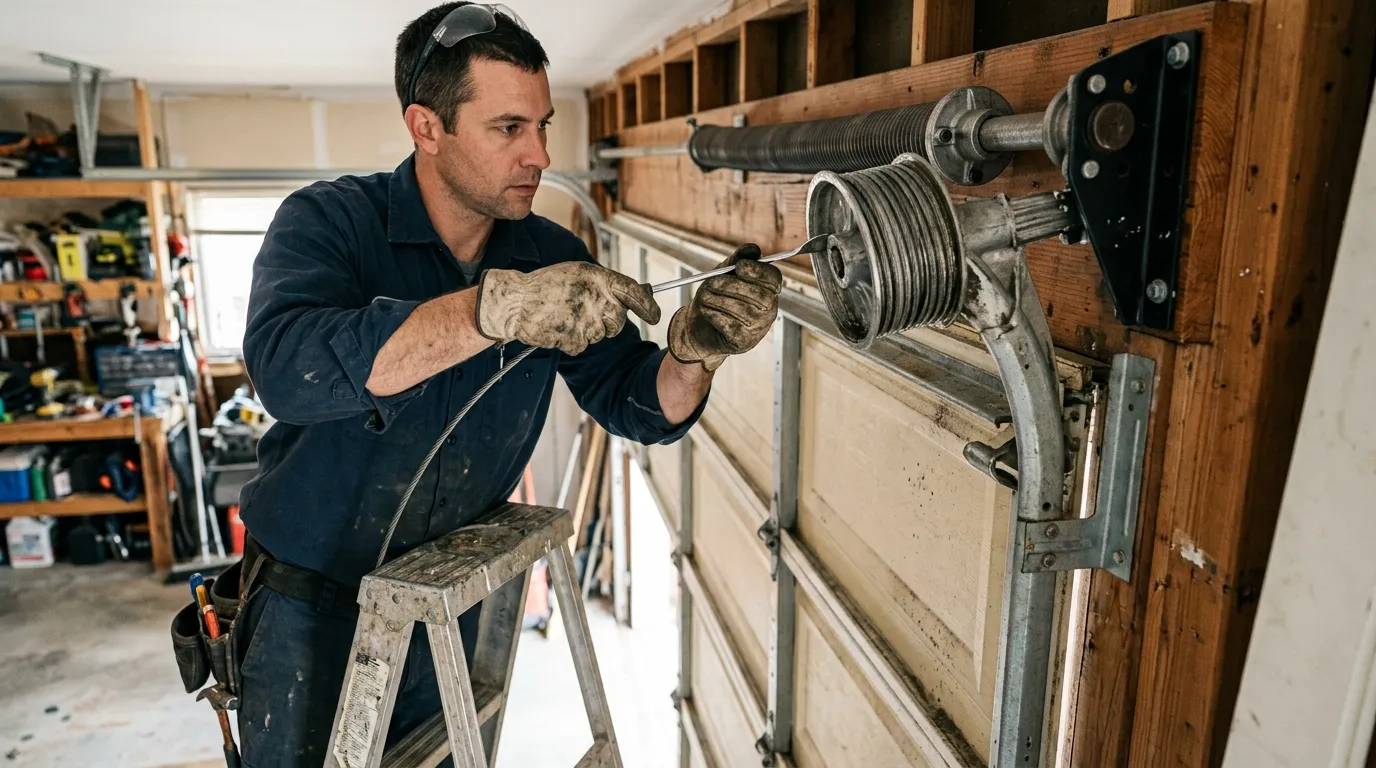
On a house from the late 1950s, the repair usually starts with the spring system, not the opener. Single torsion springs from that era were sized for heavier, non-insulated wood doors, and if the door's been swapped for a lighter steel or insulated panel since, the spring is often mismatched - too much lift, too little, or cycling wrong against the drum. We measure the door's actual weight and re-spring to that number rather than assuming the original spec still applies.
Track alignment is the second thing we check: houses built in this window often have jamb settling after sixty-plus years, and a track that's a quarter-inch off at the header binds rollers and shortens cable life. If the opener is original or a first-generation replacement, the drive gear and capacitor are usually the failure point, not the motor itself - a small part that gets treated like a full opener replacement more often than it should. We carry common spring wire sizes and standard track hardware on the truck; anything custom to an older jamb setup, we measure on site and order rather than force a part that doesn't fit.
That's a lead-time item, not a same-visit fix, and we say so up front instead of jamming a wrong-size spring on and hoping it holds.
The DIY Question
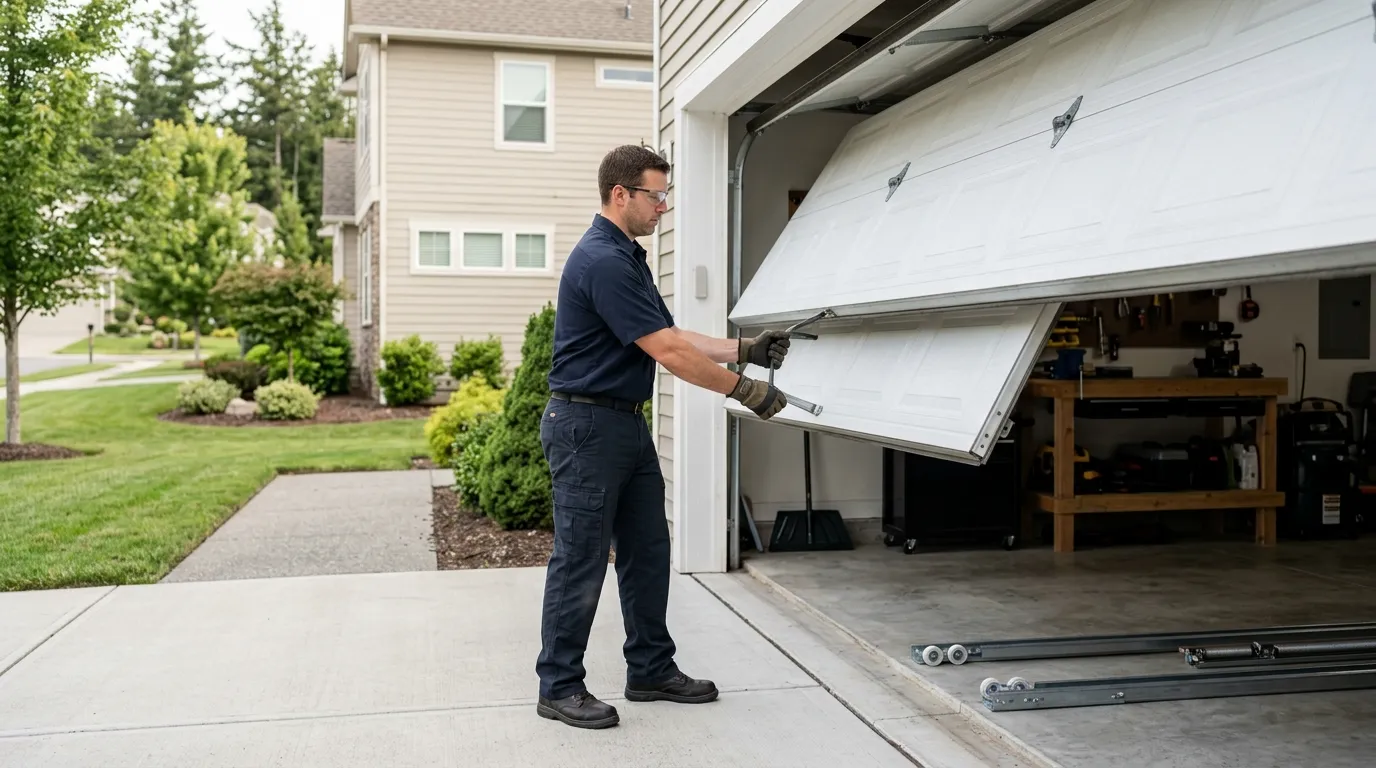
A torsion spring under load can put someone in the hospital, and that doesn't change based on the town. That's the honest limit here: we don't walk a homeowner through spring replacement over the phone, and we won't sell you a spring to do it yourself. What is reasonable to check before you call: whether the tracks are visibly bent, whether the door is off its rollers rather than just noisy, and whether the opener's safety sensors are aligned - a blinking light on the opener head is almost always a sensor issue, not a motor issue, and takes two minutes to fix once you know to look at it.
Where DIY stops making sense on a house this age is anything involving the spring, the cable, or the drum. On original hardware from the 1950s and 60s, parts aren't standardized the way current stock is, and guessing at a wire gauge or drum size on a torsion system is how people get hurt. If your door came down hard, won't stay open, or the spring's already visibly separated, that's a call, not a weekend project.
The Symptom
The complaint we hear most from this stretch is a door that's suddenly heavy - it used to lift with one hand and now the opener strains or reverses halfway up. On houses from the late 1950s, that's almost always a spring that's lost tension gradually rather than snapped outright, and cold mornings make it obvious first because the metal's stiffer and the balance is off by more. Close behind that is grinding or a hard jolt partway through the cycle, which usually means a roller has worn out of round on an older galvanized track - common on doors that haven't had the track hardware updated since the house was built.
A third pattern: the opener runs but the door barely moves, or moves and reverses immediately. That's frequently the drive gear stripping under the load of a spring that's no longer doing its share of the lifting, which is why an opener call this often turns into a spring job once we're actually looking at the door itself.
How to Book
We work Totowa from our Wayne location, about 3 miles up the road, and the door itself is what we're pricing and scheduling around - not the address. Tell us the door's age, whether it's a single or double, and what it's doing (heavy, off-track, opener running but not lifting), and we can usually tell you over the phone whether it's a spring, a track, or an opener part before the truck even leaves Wayne. For a look at how we cover this town in general, see our Totowa garage doors page, and if what you're dealing with turns out to be an install or a service outside repair, the Wayne garage door repair page covers what else we handle out of the Wayne shop.
Talk to a Totowa Technician First
Describe what the door is doing and get a straight answer on what it likely needs.
Other Garage Door Services in Totowa
Recent Work in Totowa
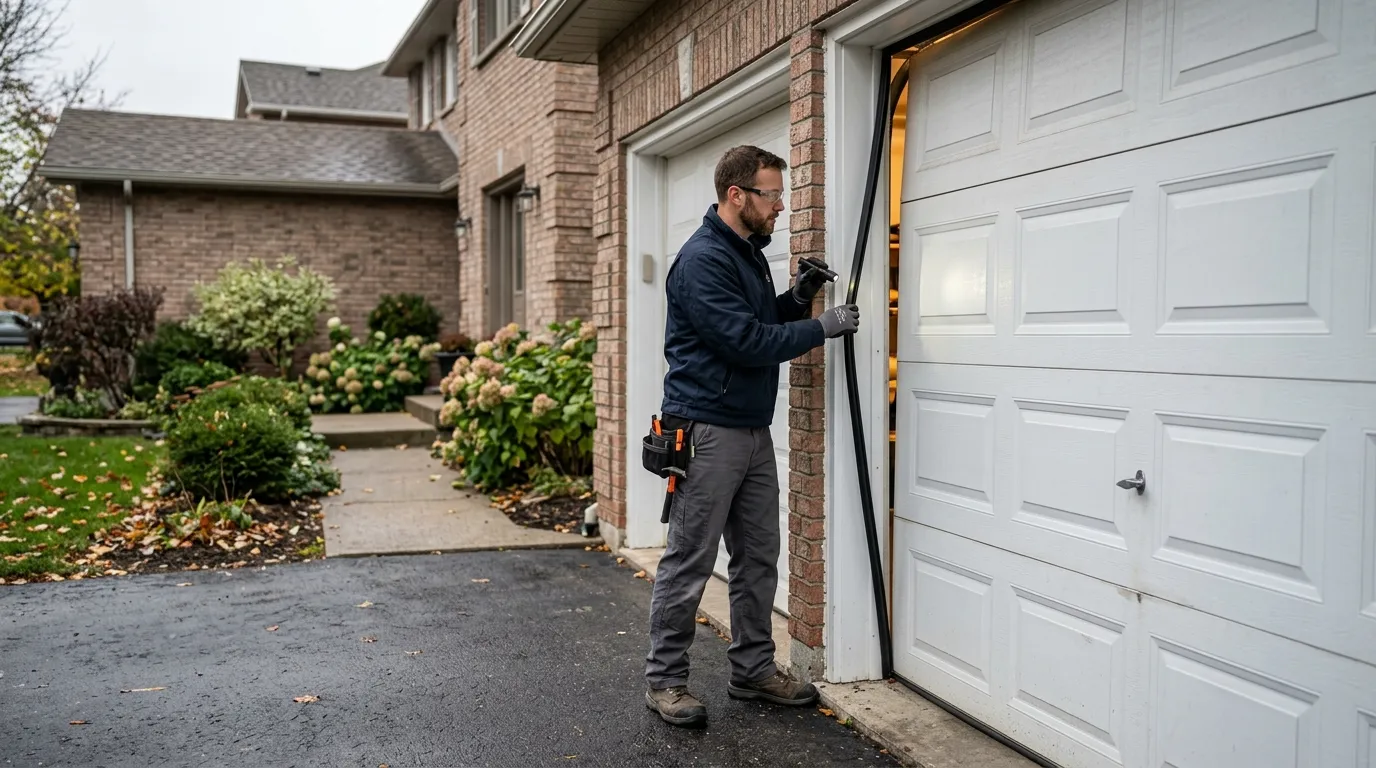
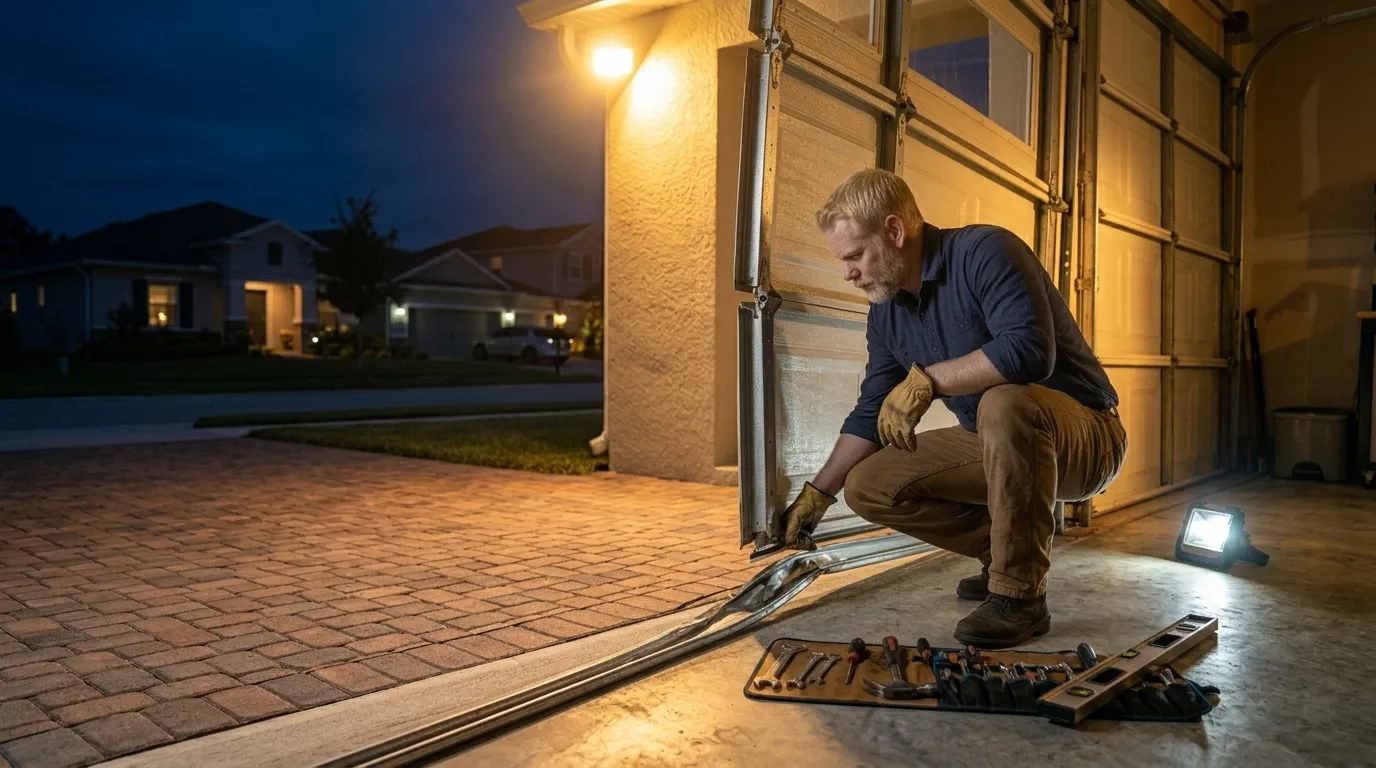
A look at jobs our crew has been on nearby.
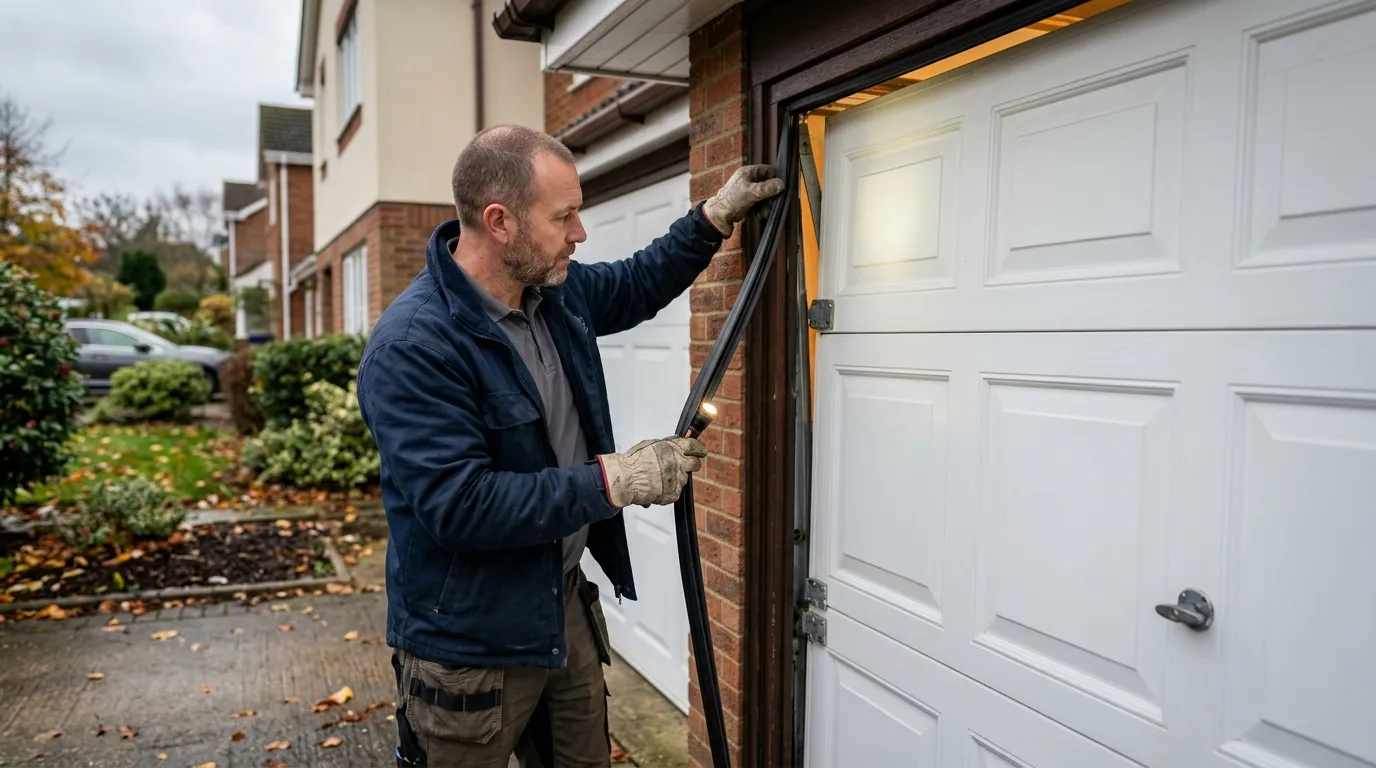
Why Totowa Calls Us
Frequently Asked Questions
Do you have a shop in Totowa?
No - we run out of Wayne, about 3 miles away, and drive to Totowa for every job. There's no separate branch or drop-off location here, just a truck that comes from the Wayne shop.
Is my 1958-era door worth repairing or should I replace it?
Depends on what's failed. A spring or a roller on a door that age is almost always worth fixing. If the panels are rusted through or the track is bent beyond adjustment, replacement usually costs less over time than repeated patch repairs.
Why does my garage door get worse in winter?
This area sits in a cold-severe climate band, and torsion springs and cables stiffen and fatigue faster in that kind of cold. A spring that's been marginal all fall often finally gives out on the first hard freeze.
Can you match parts to an older opener?
Often, yes, for standard drive gears and capacitors. Track hardware original to a 1950s jamb setup sometimes has to be measured and ordered rather than pulled straight off the truck, which adds a day or two to the job.
Need Garage Door Repair in Totowa?
Call now for straight answers on cost and timing.