
Nearby Community
Garage Door Service for Summit Homes
Wayne Garage Door Pros serves Summit, NJ homeowners with doors built around 1953 - older hardware, tighter openings, and springs that wear differently than newer stock.
- Licensed & Insured
- Same-Area Service Calls
- Upfront Pricing
Garage Door Services in Summit
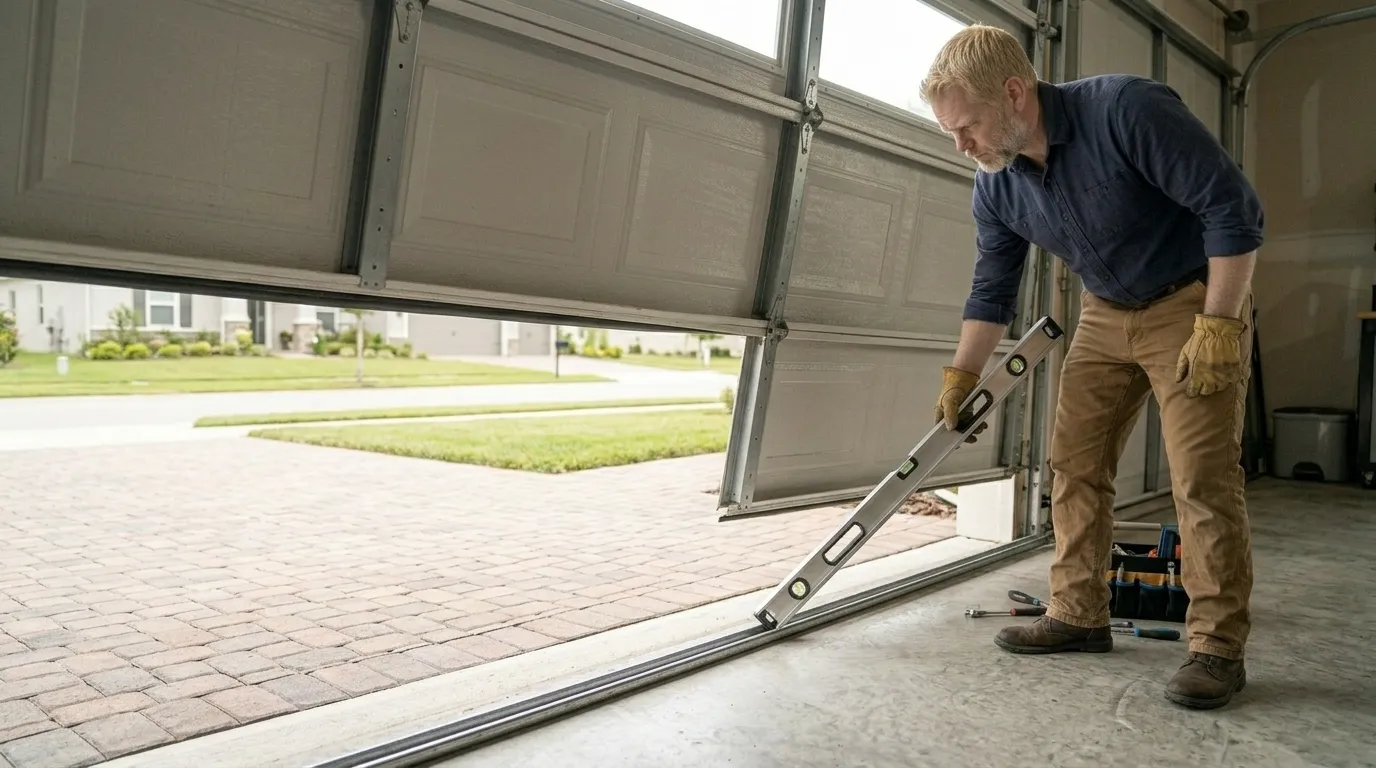
Garage Door Opener Installation
New openers sized to your door and set up with the safety sensors dialed in.
Learn more →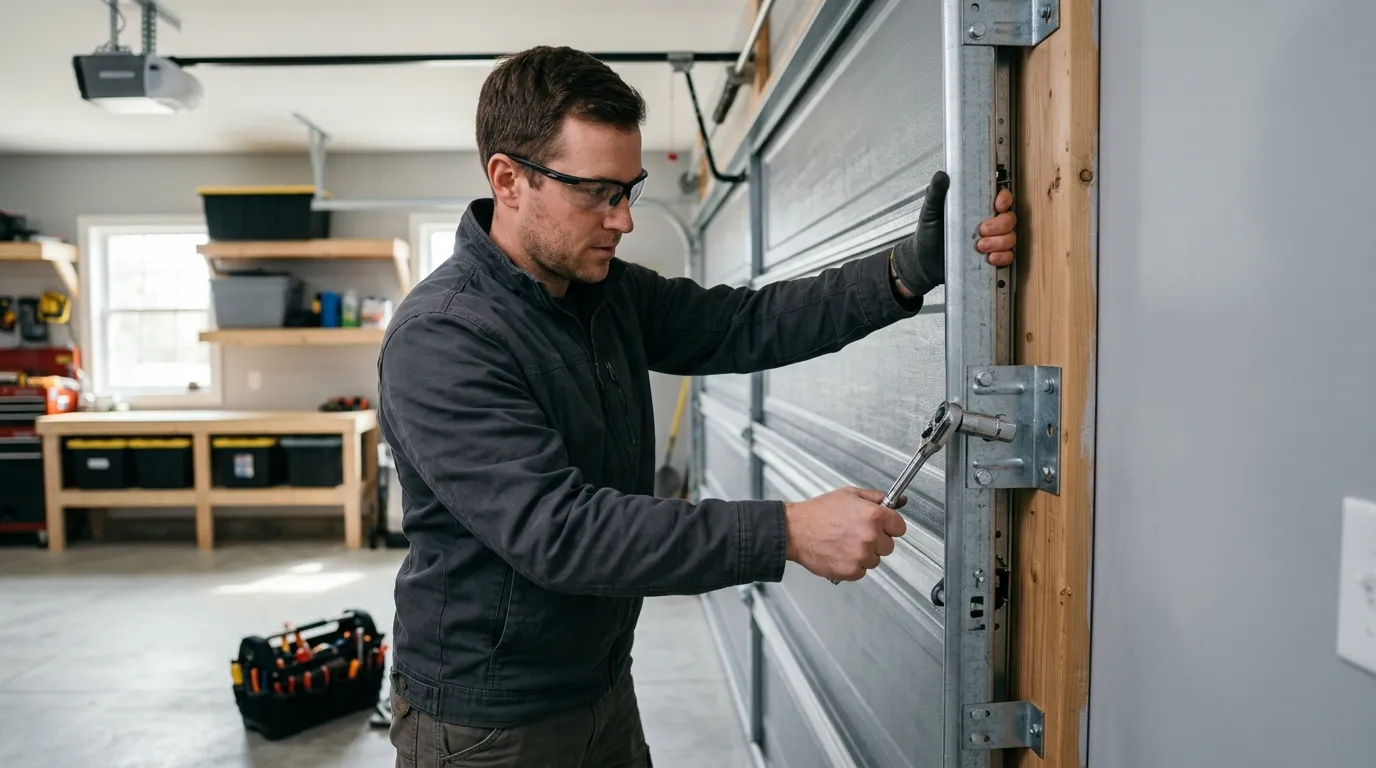
Garage Door Cable Repair
Frayed or snapped lift cables replaced and tensioned so the door lifts level and safe.
Learn more →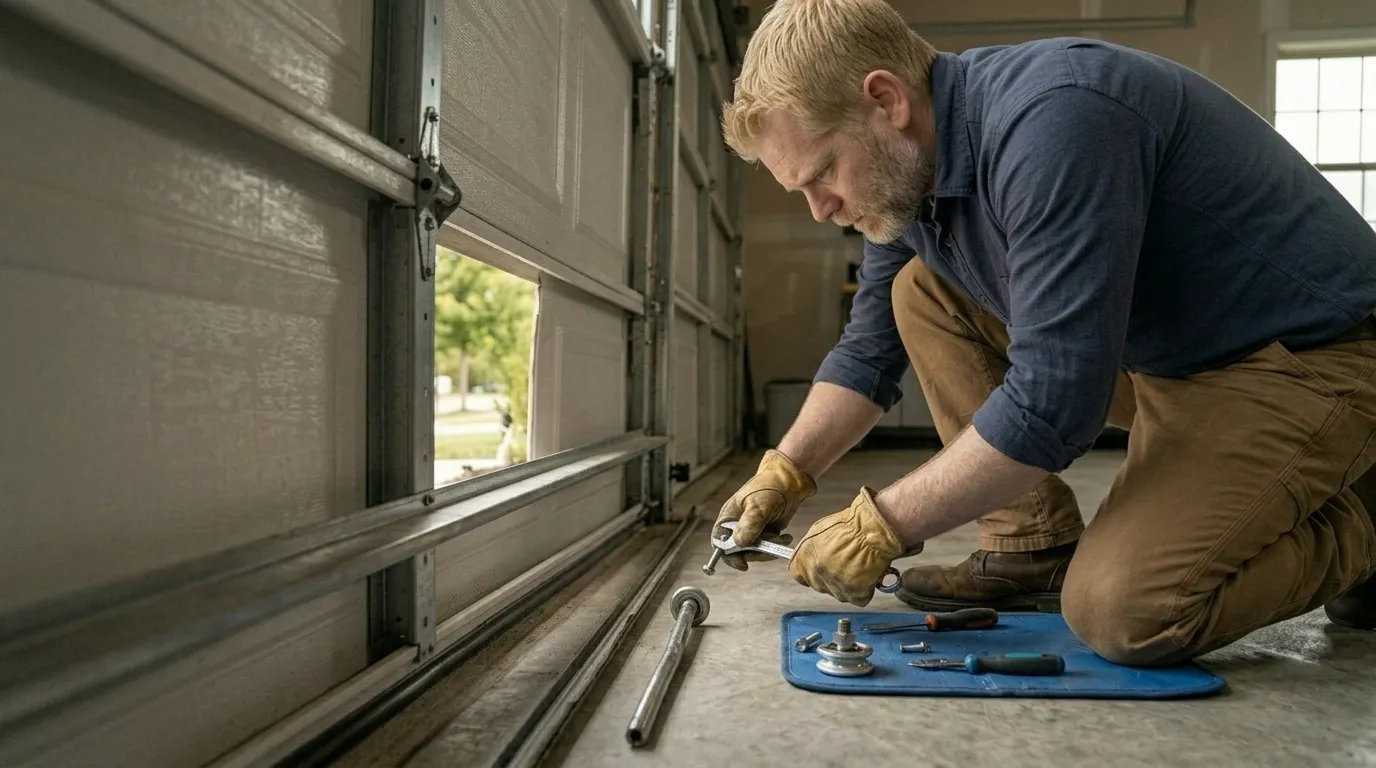
Garage Door Repair
Springs, cables, tracks, rollers, and openers fixed by a tech who explains the problem before touching anything.
Learn more →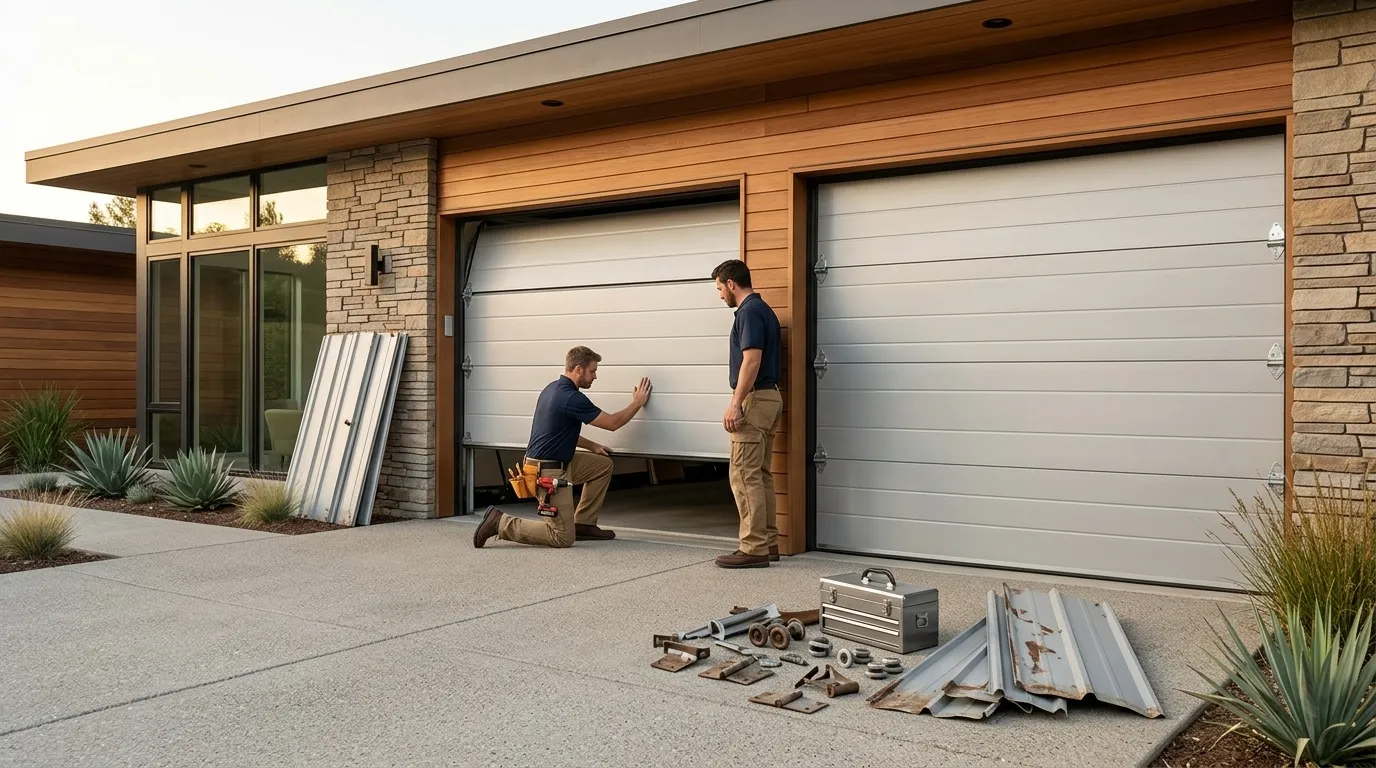
Garage Door Opener Repair
Openers that hum, stall, or reverse - diagnosed and fixed, from worn gears to logic boards.
Learn more →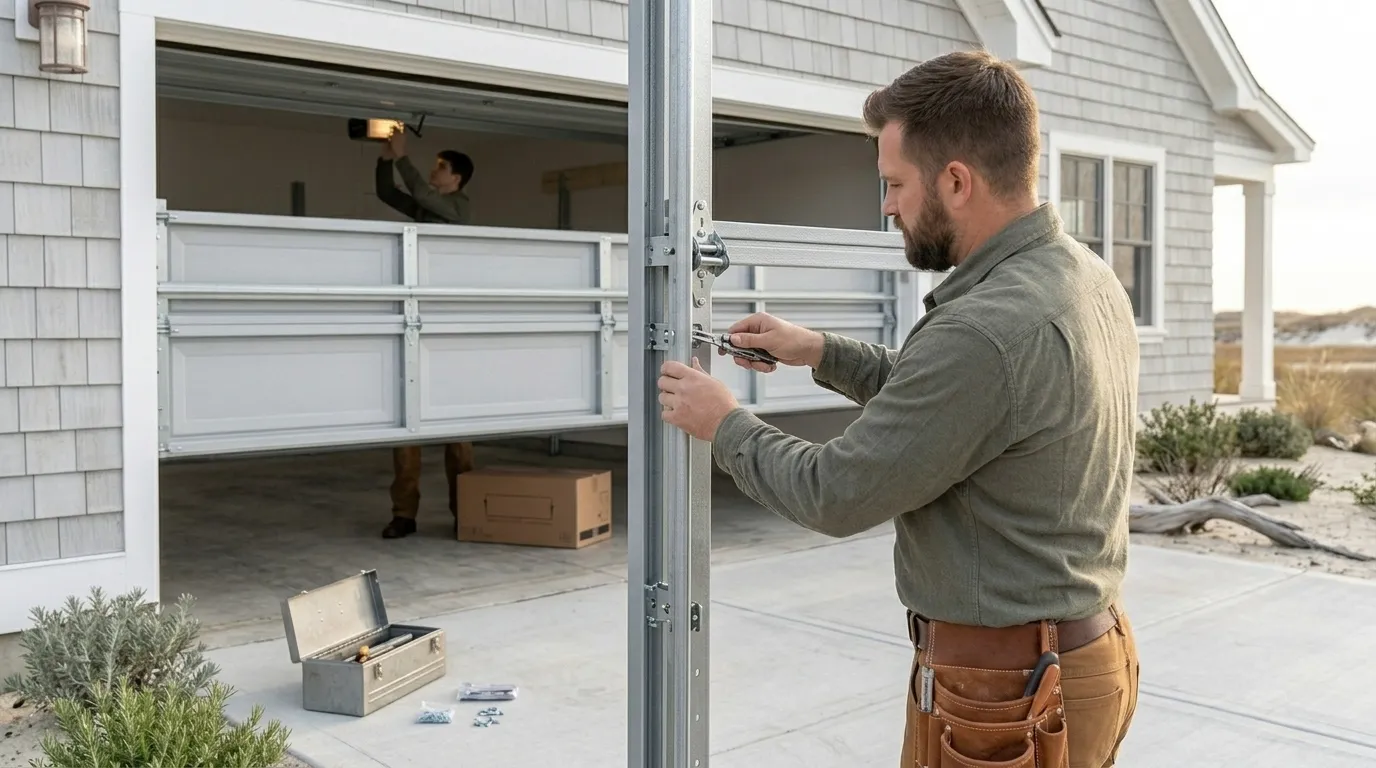
Garage Door Installation
New sectional doors sized and installed for the housing stock actually built in this area.
Learn more →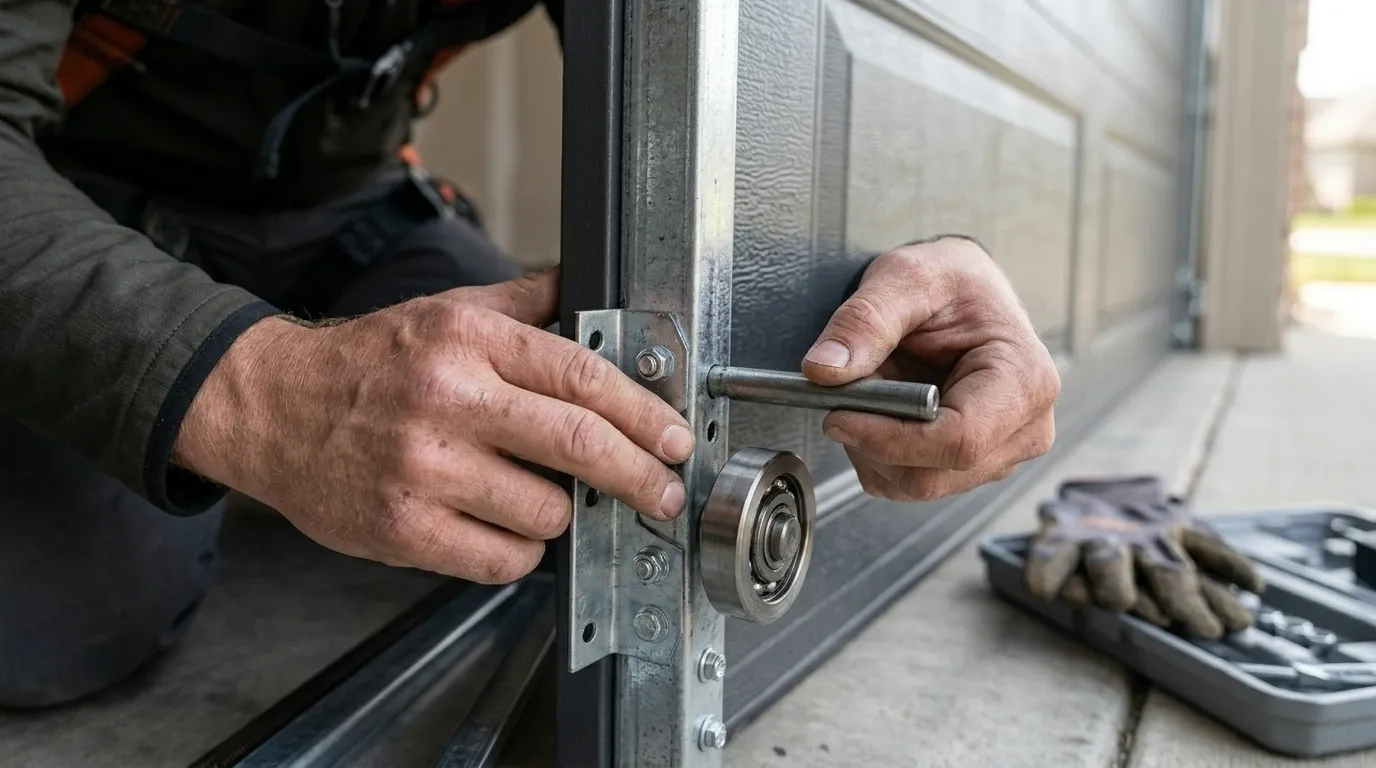
Garage Door Off Track
Doors that jumped the track reset safely, with rollers and alignment checked so it holds.
Learn more →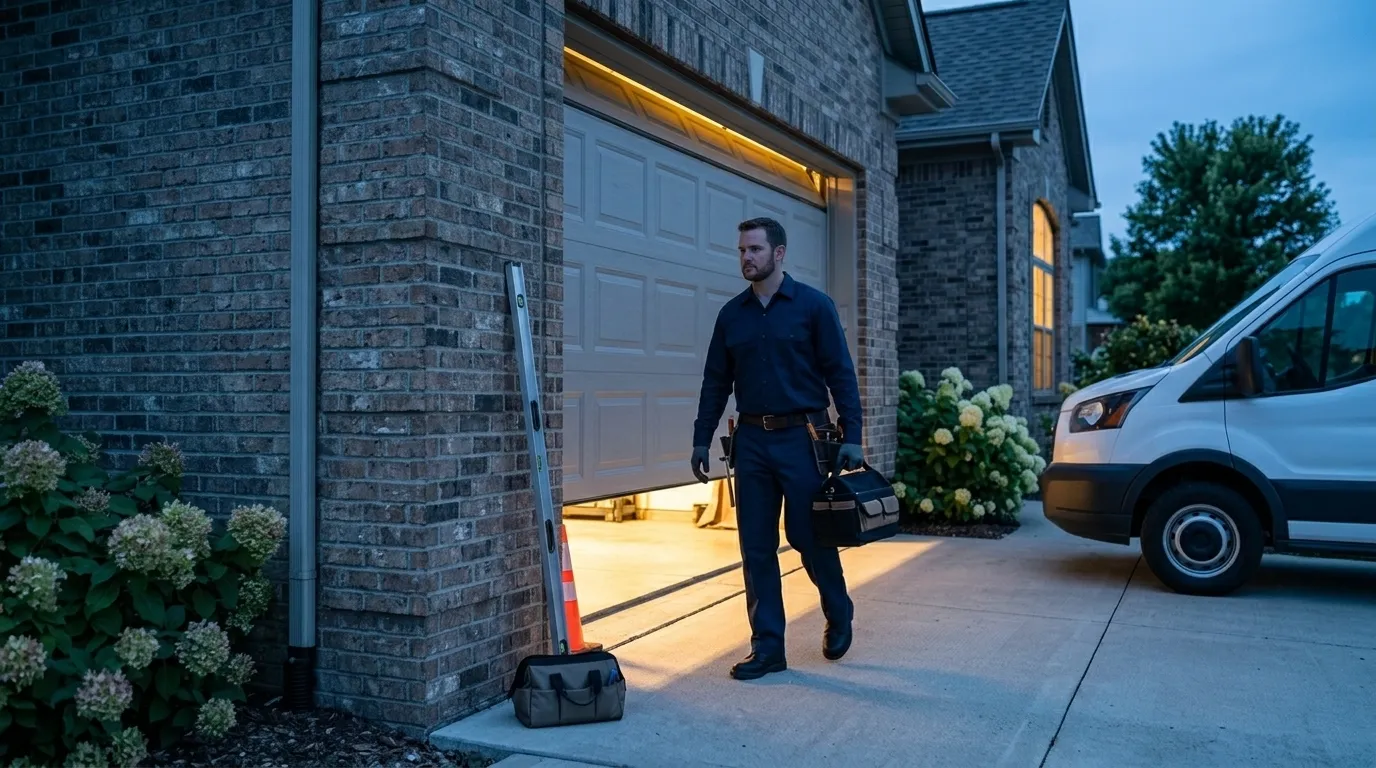
Garage Door Panel Replacement
Dented or cracked panels swapped without replacing the whole door where the frame is sound.
Learn more →The Drive Over
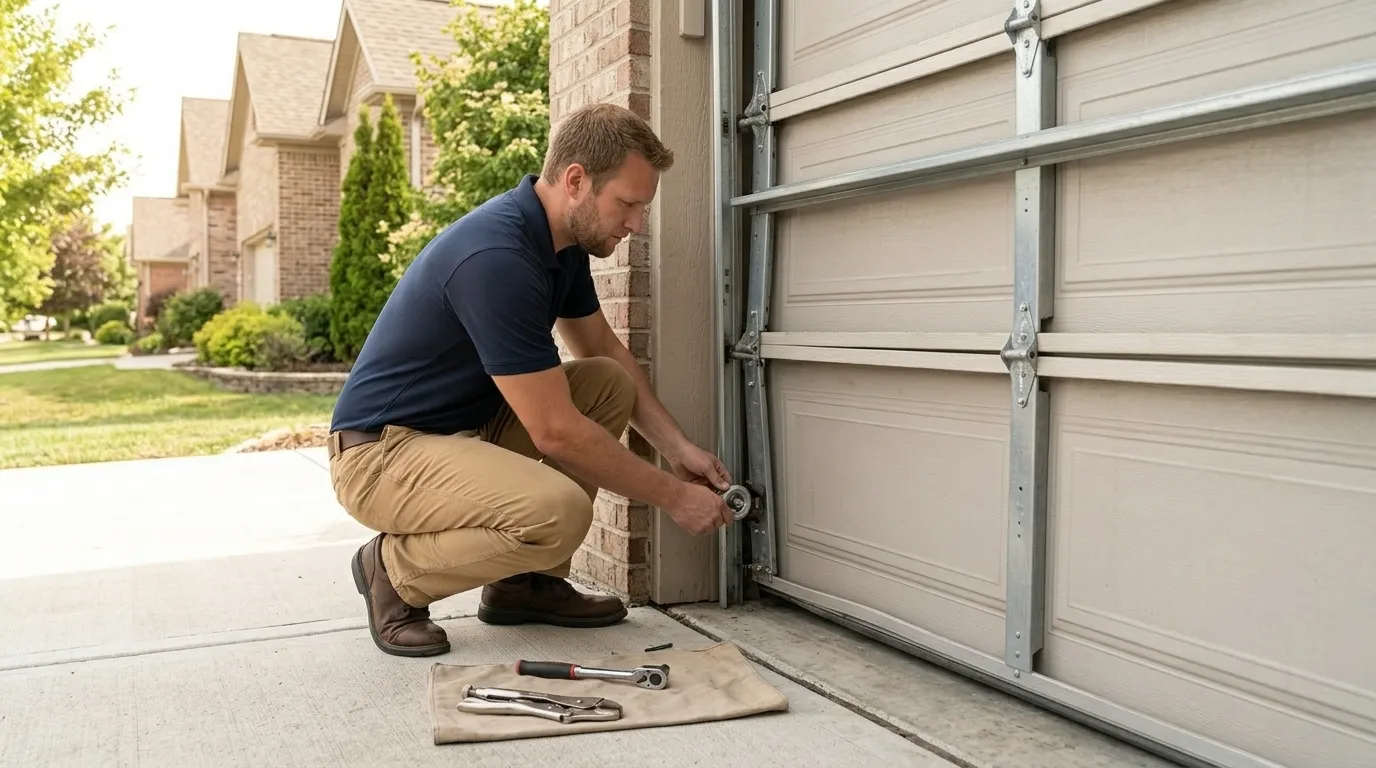
Summit sits about 15 miles from our shop in Wayne, and that's a drive we make on purpose, not one we're set up to do same-day from a local depot. We don't have a crew stationed in Summit, so we're upfront about it: if you call, we're routing a truck out from Wayne, not around the corner. What makes the trip worth scheduling is the housing stock once we get there.
Summit's homes run older than a lot of what we see closer to home - median build year around 1953, which is a good five to six years ahead of the broader service area's 1959 median. That gap matters more than it sounds like it should, because garage door hardware from the early 1950s and hardware from the late '50s aren't interchangeable, and a lot of techs who haven't worked both eras end up guessing. We don't guess.
We ask what year the house went up before we load the truck, because it changes what parts go in it.
What People Here Ring About
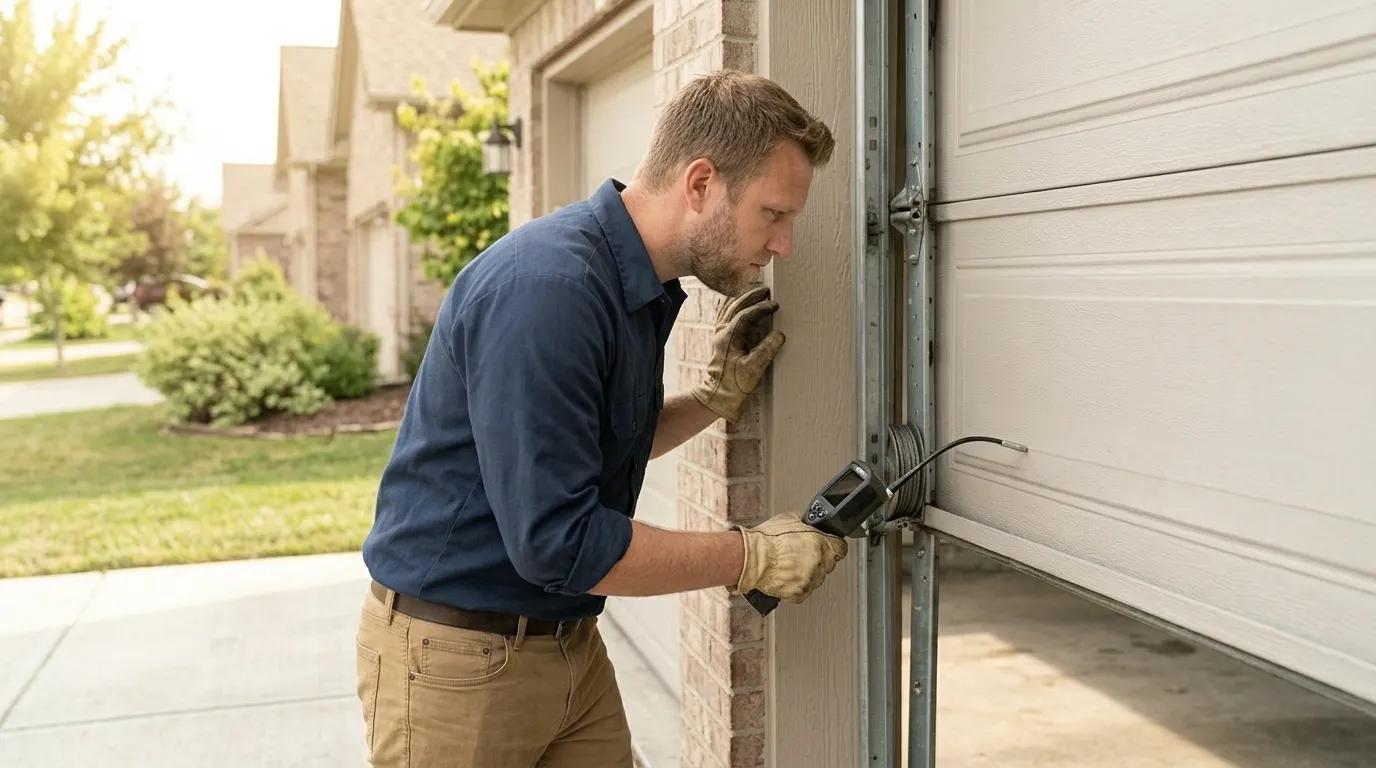
The calls out of Summit skew toward the same handful of problems, and most of them trace back to age, not misuse. Extension springs that have stretched past spec after decades of cold-weather cycling. Openers original to a house built in the early '50s that were never designed to carry today's insulated steel doors, so they strain and burn out early.
Narrow single-car openings that were standard for that build era and don't line up with the off-the-shelf panel sizes most suppliers stock now. We also hear from owners who've had a door replaced at some point but kept the original track and hinges, which is a mismatch that shows up as noise, binding, or a door that drifts off-square. None of this is exotic.
It's what happens when a house crosses seventy years old and the door hardware inside it hasn't kept pace with the rest of the remodel.
How That Shows Up in the Door
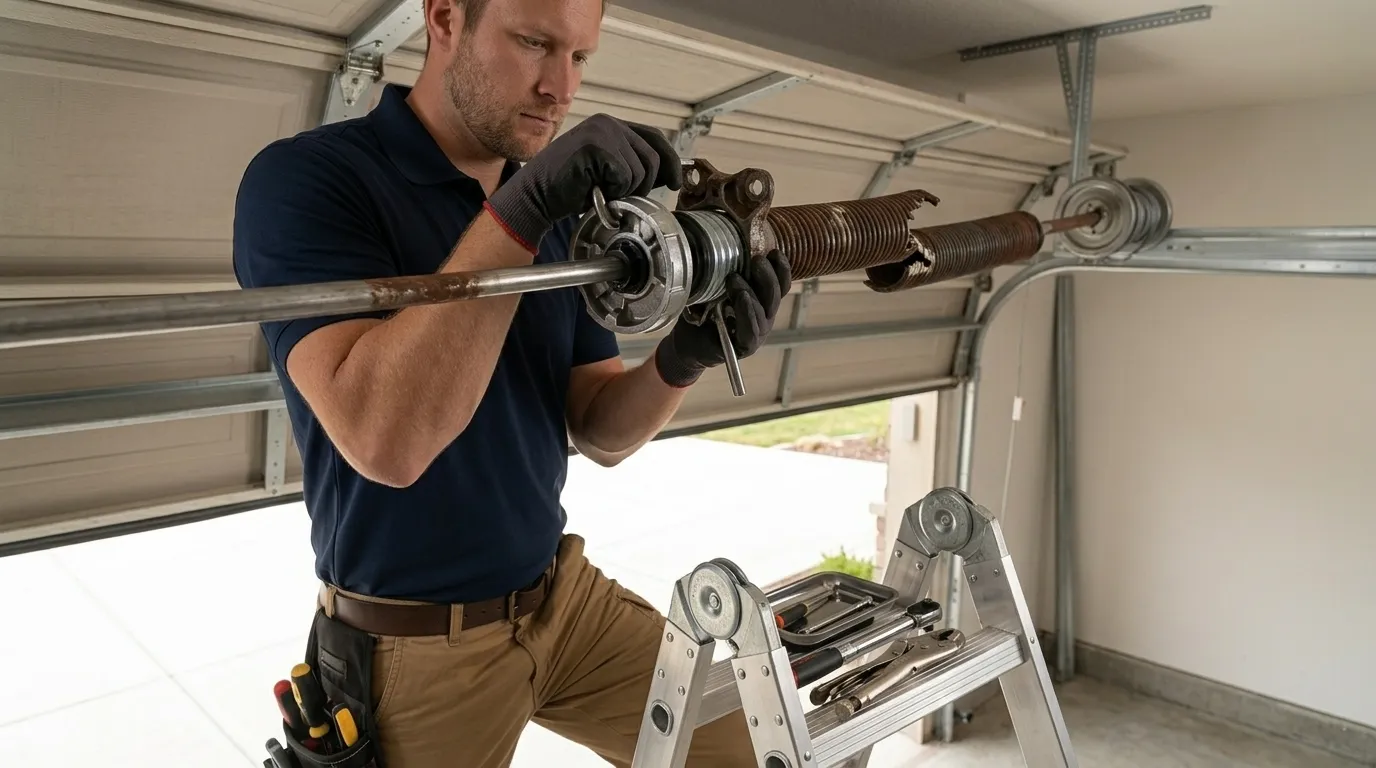
A door on a house built in 1953 is more likely to be running on side-mounted torsion or older extension spring setups than the center-mounted torsion bar that became standard later in the decade. That distinction is the first thing we check, because the repair kit for one doesn't fit the other, and ordering the wrong spring means a second trip. Cold matters here too - this region sits in a severe cold climate band, and older, thinner steel panels without foam-core insulation lose their temper faster over repeated freeze-thaw seasons than the doors going up now.
We see more cracked bottom seals and stiff, sluggish rollers on these older doors in January than we do on anything built in the last twenty years. It's not that the door is failing outright - it's that the parts inside it were sized for a house and a climate expectation from decades ago, and nobody's swapped them since.
This Area's Housing
Summit has roughly 8,130 households, and the median household income here runs close to $199,107 - well above the $126,078 median across our broader service area. That income gap shows up in the calls we take: more owners here choose full opener and hardware upgrades over a patch repair, because they've already decided the door needs to match the rest of a house they've kept current. Across the wider area we cover, most homes were built between 1938 and 1996 with a median around 1959, and Summit's stock, centered closer to 1953, sits on the older edge of that range.
What that means practically: if your door still has its original hardware, it's likely older than the neighborhood average, not younger. Replacement parts for that vintage aren't always sitting on a shelf - some springs and track hardware from the early '50s take longer to source than current stock, and we tell owners that up front rather than promise a same-day fix we can't back.
What Happens When You Call
-
1
Call or Request a Quote
Tell us what the door is doing and roughly how old the house is - that alone points us toward the likely part before a truck leaves.
-
2
On-Site Diagnosis
A tech checks the spring, cables, tracks, and opener in person and tells you plainly what is actually wrong.
-
3
Straight Price, No Surprises
You get a number before any work starts. It covers parts and labor, nothing added after the fact.
-
4
Fixed the Same Visit
Most repairs are done in one trip. If a part needs sourcing, we tell you that upfront instead of guessing.
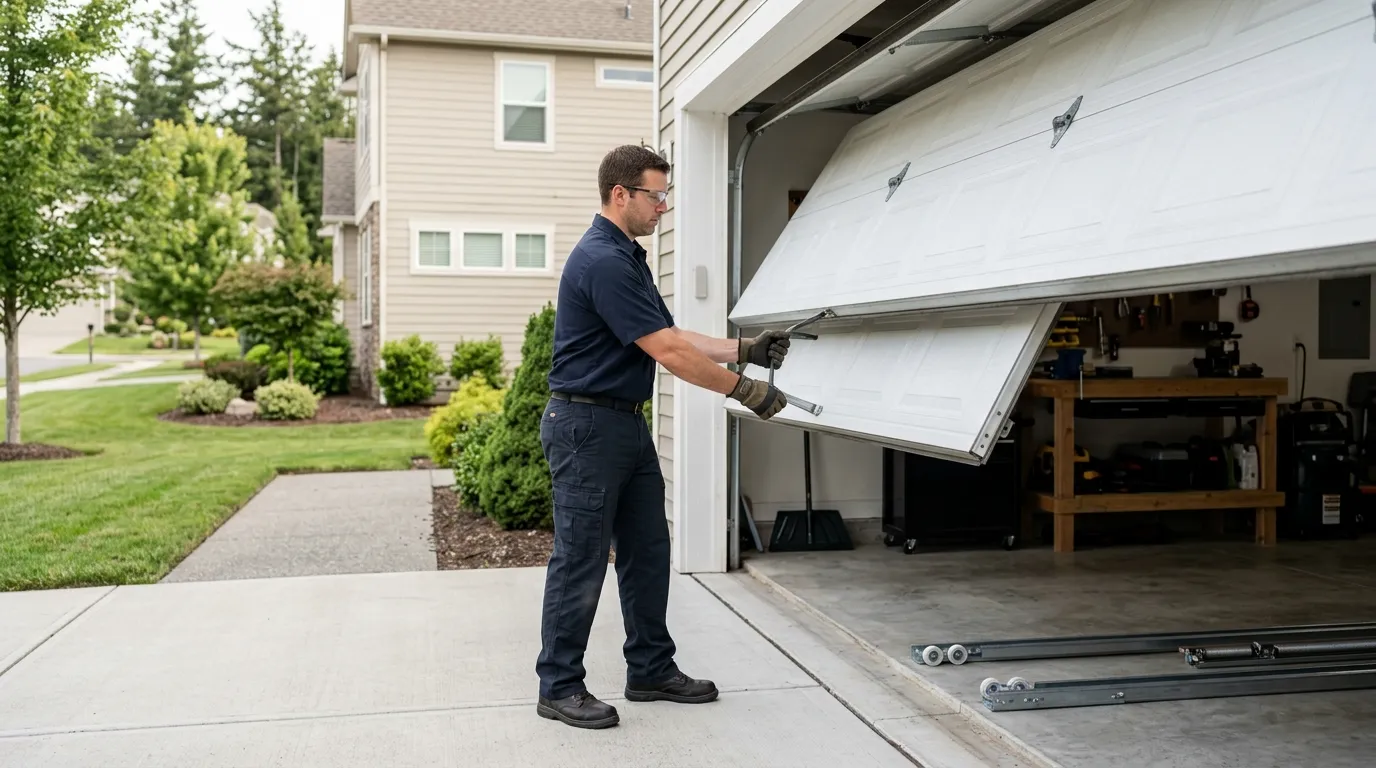
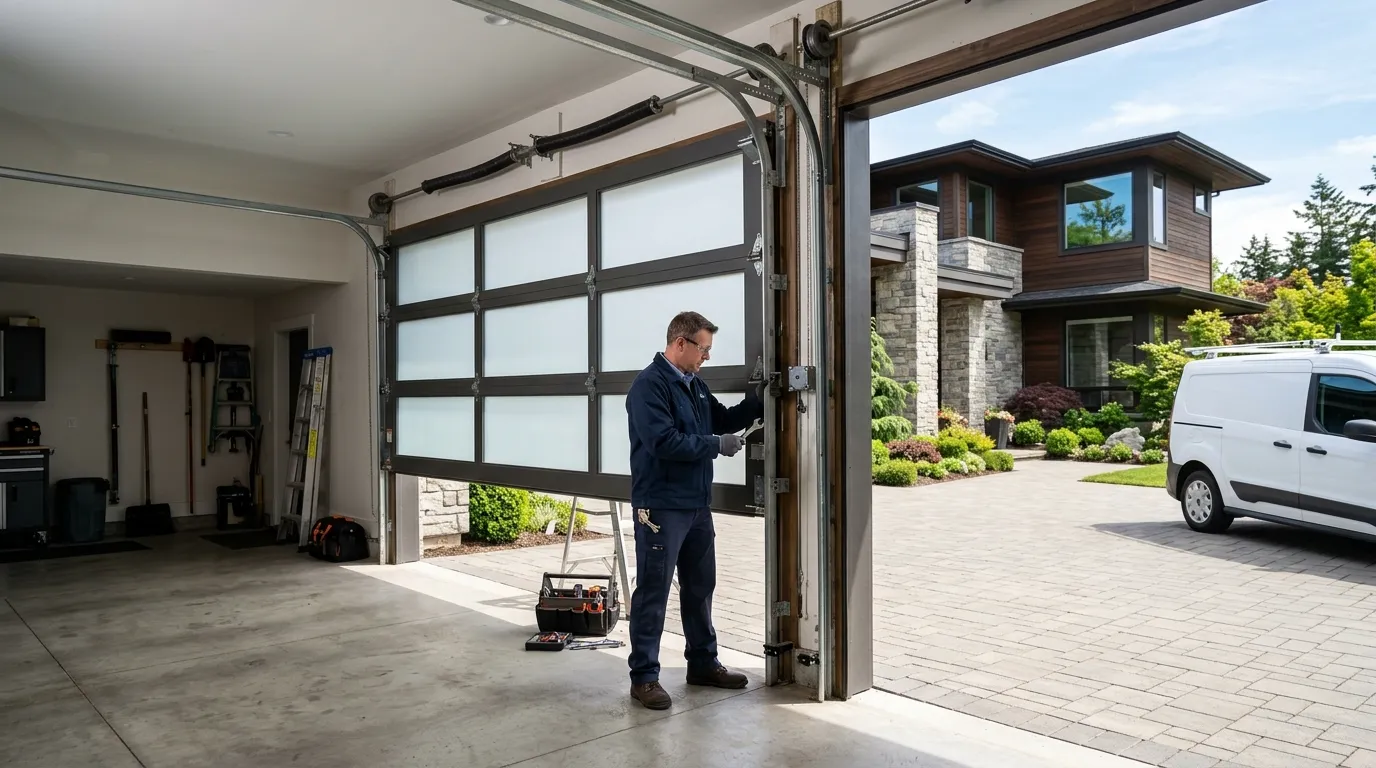
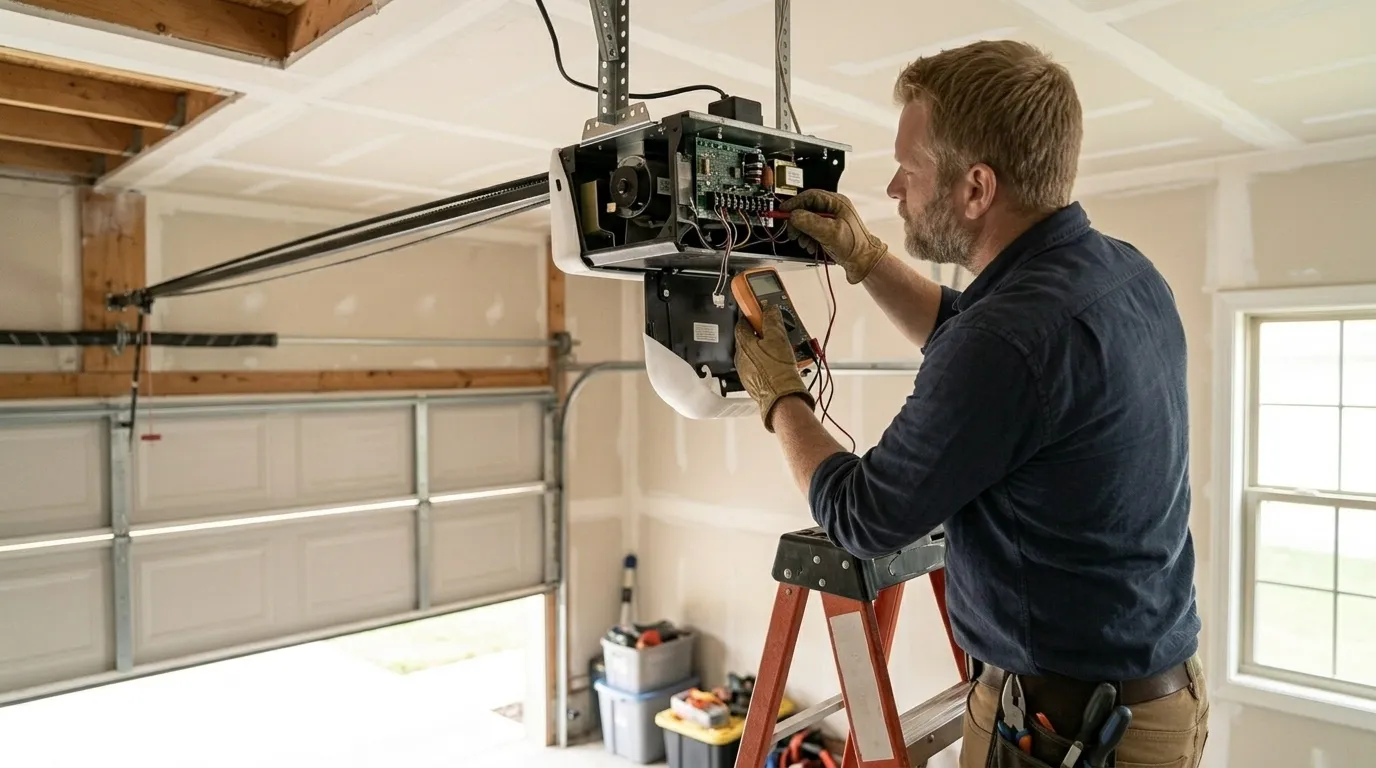
Recent Work Near Summit
Frequently Asked Questions
Do you have a location in Summit?
No. We're based in Wayne, about 15 miles away, and we travel to Summit for jobs rather than staffing a local depot. We're upfront about that distance when we schedule, since it affects timing more than it would for a job closer to Wayne.
Why does my 1953 house need different spring parts than my neighbor's newer addition?
Houses built in the early 1950s in Summit commonly used side-mounted torsion or older extension spring hardware, while doors from later in that decade often shifted to center-mounted torsion bars. The two systems use different spring sizes and mounting hardware, so a repair kit for one won't fit the other.
Is it worth replacing an original door instead of repairing it?
It depends on the hardware, not just the panel. If the track, hinges, and spring system are all original to a house built around 1953 and showing wear, replacing the whole assembly at once often costs less over time than repeated single-part repairs on hardware that's decades past its expected life.
Get Your Door Fixed in Summit
Call now for same-area service.