
Nearby Community
Garage Door Service for Ridgefield Homes
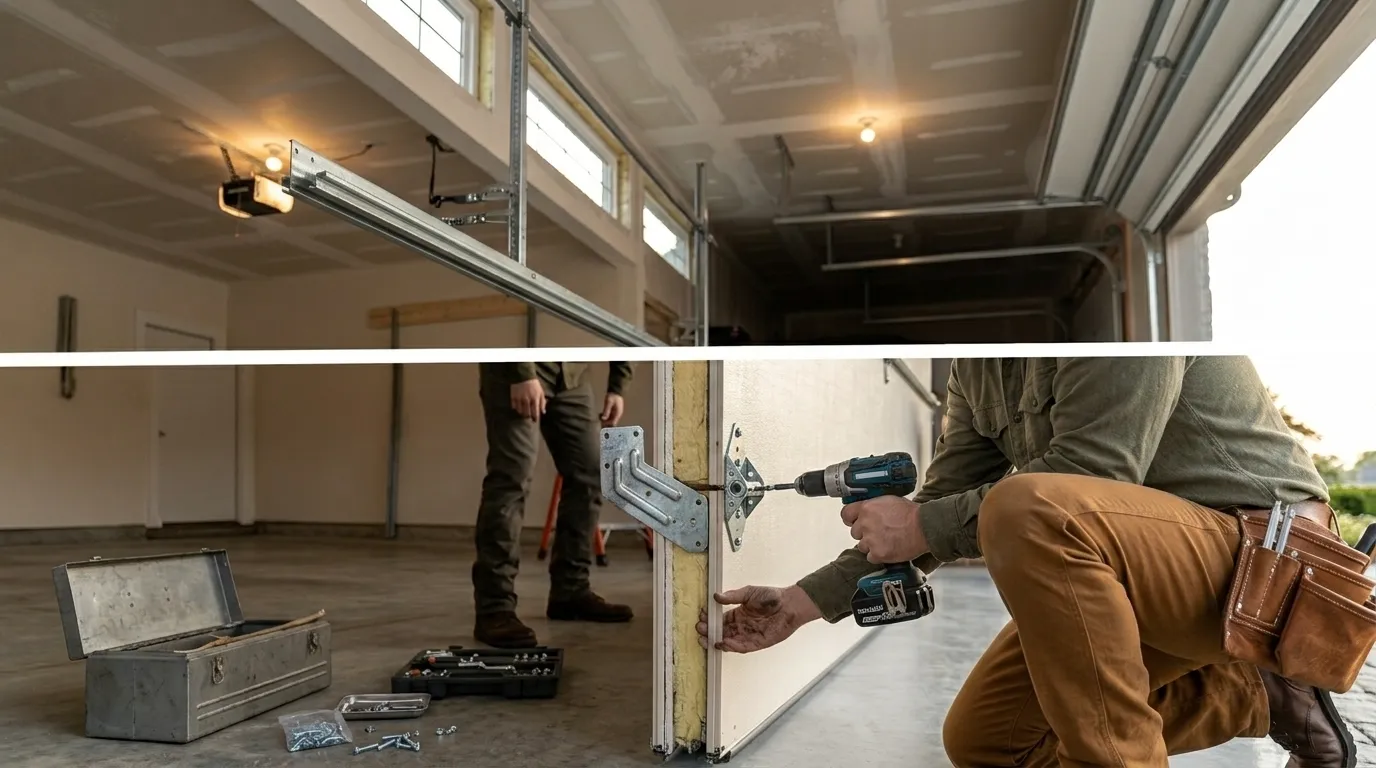
Wayne Garage Door Pros services Ridgefield's late-1950s housing stock, from torsion spring swaps to insulated door upgrades for the area's cold winters.
- Licensed & Insured
- Same-Area Service Calls
- Upfront Pricing
Garage Door Services in Ridgefield
Garage Door Cable Repair
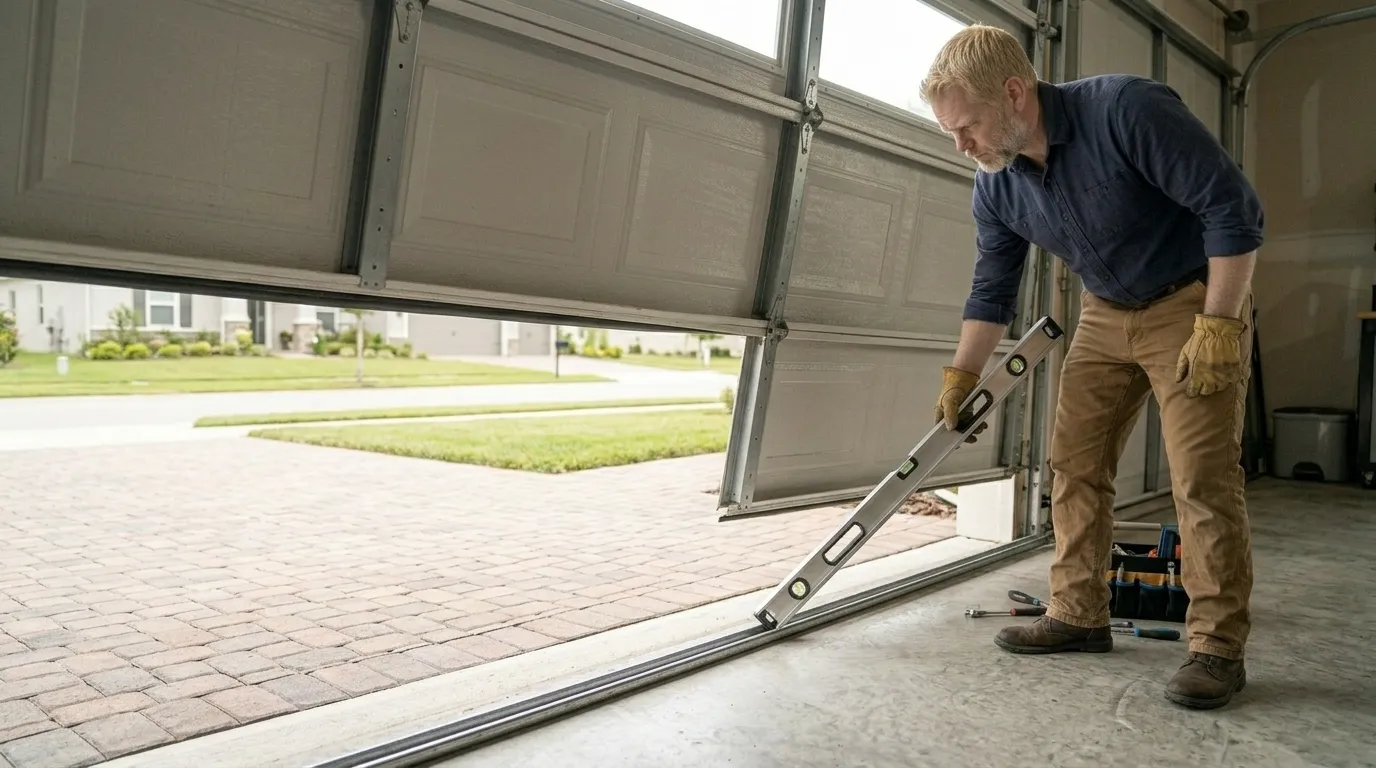
Frayed or snapped lift cables replaced and tensioned so the door lifts level and safe.
Learn more →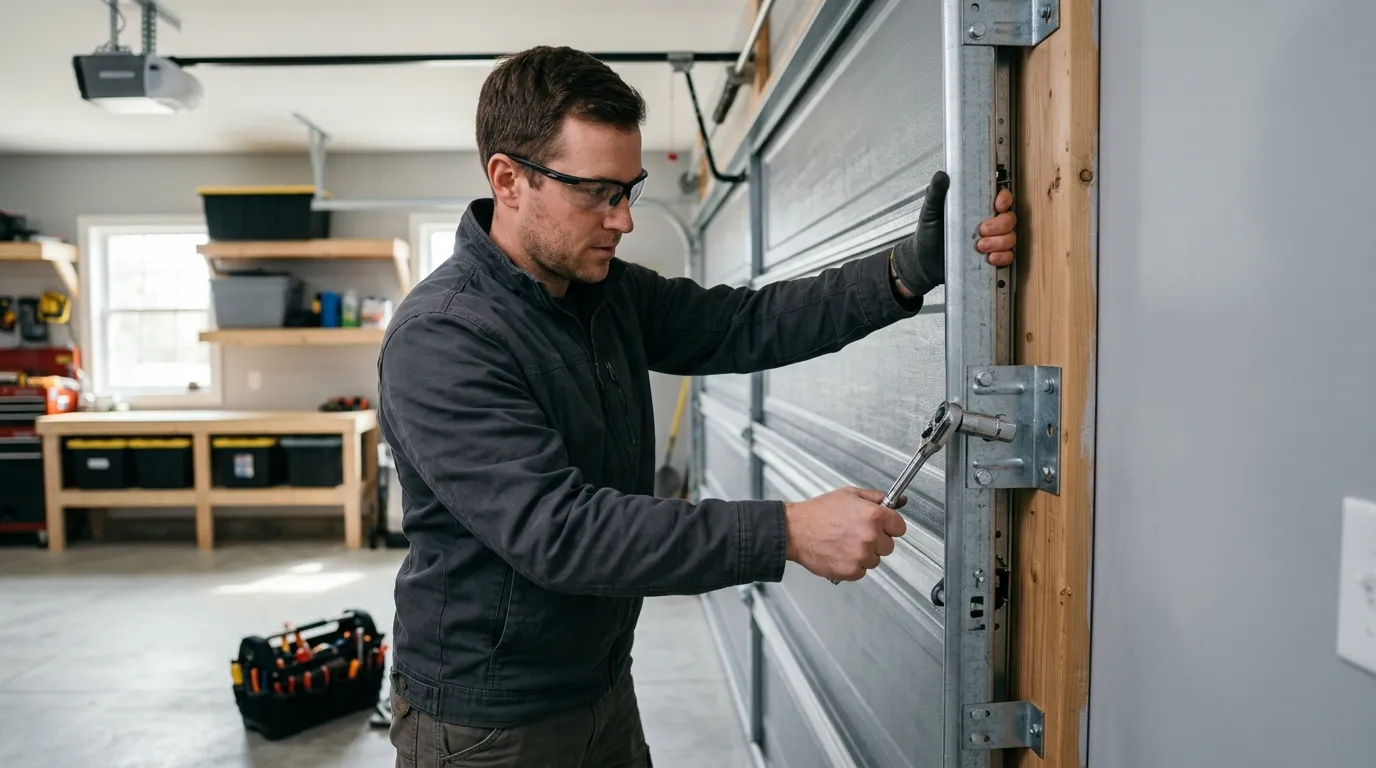
Garage Door Off Track
Doors that jumped the track reset safely, with rollers and alignment checked so it holds.
Learn more →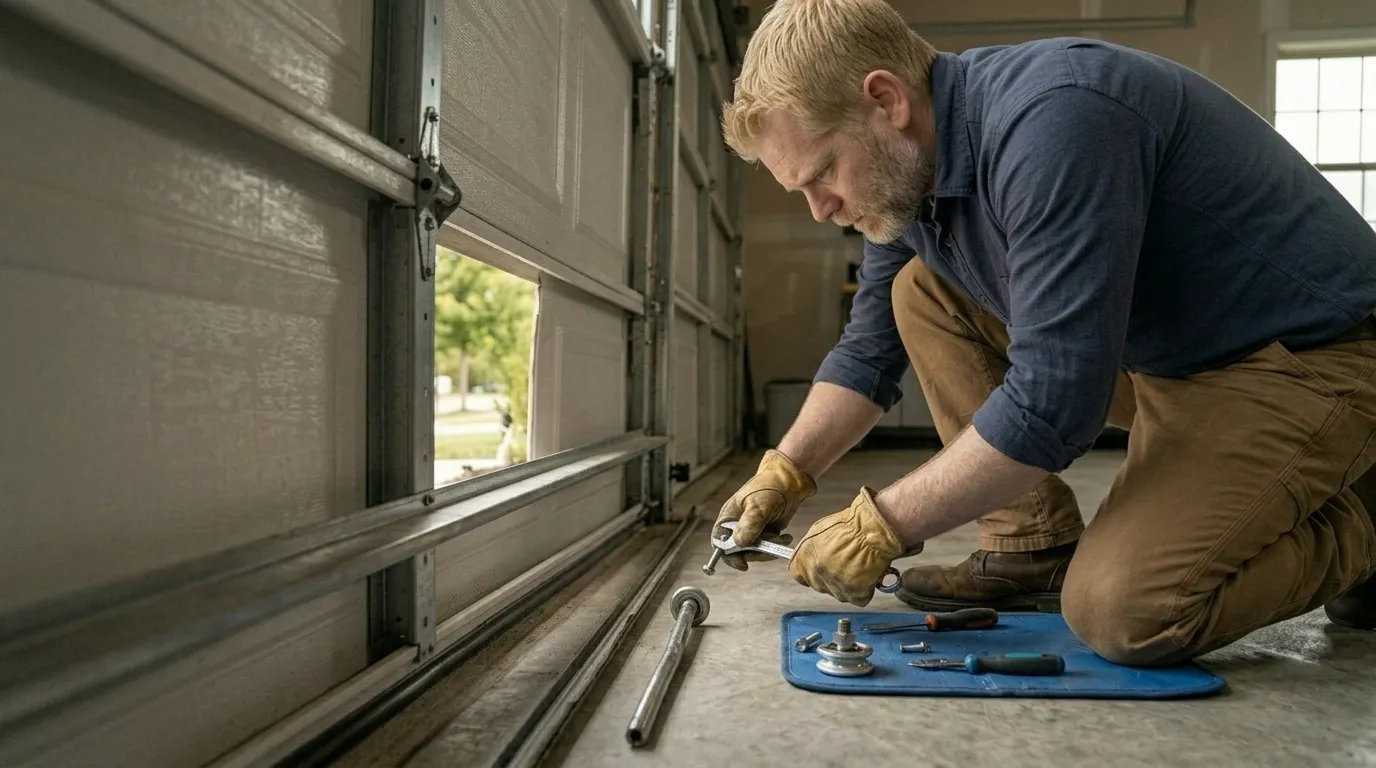
Garage Door Repair
Springs, cables, tracks, rollers, and openers fixed by a tech who explains the problem before touching anything.
Learn more →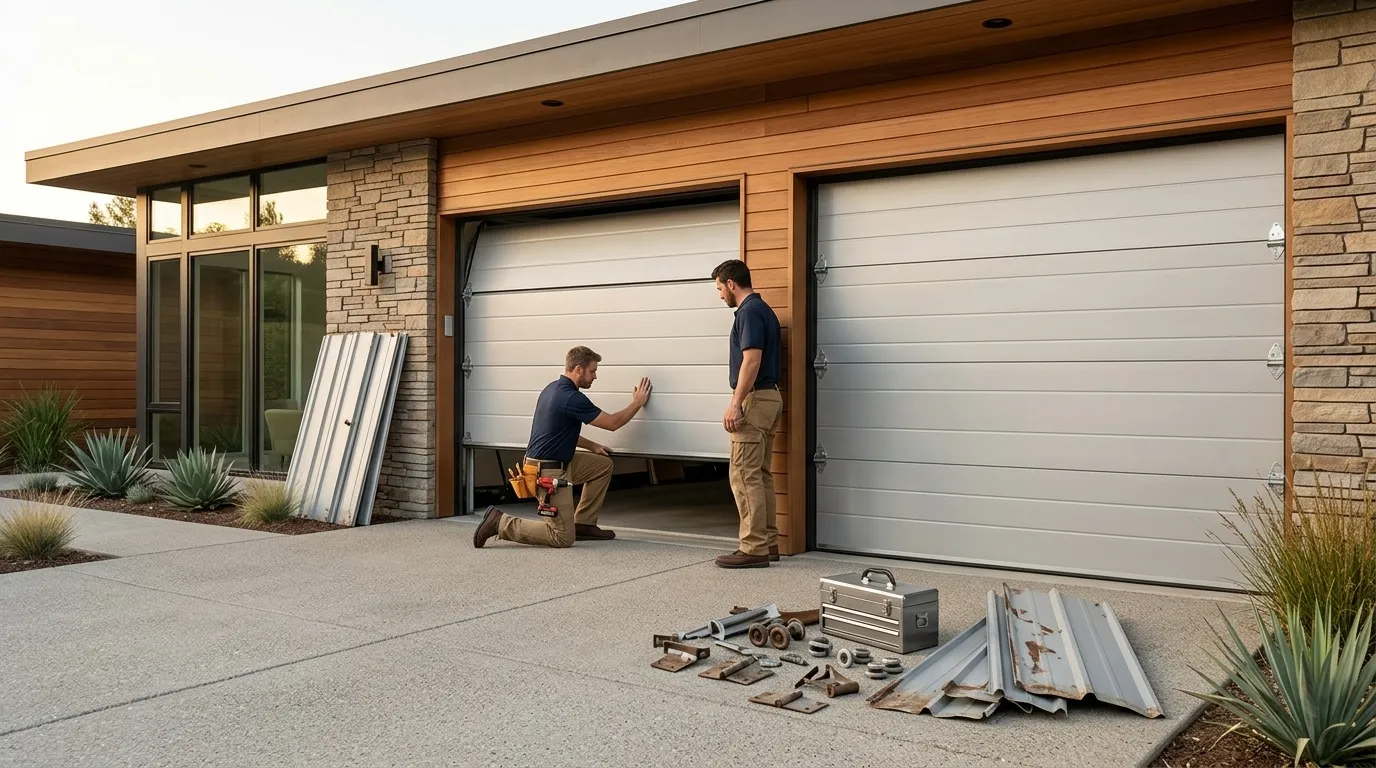
Garage Door Panel Replacement
Dented or cracked panels swapped without replacing the whole door where the frame is sound.
Learn more →The Drive Over
Ridgefield sits about 15 miles from our shop in Wayne, and that stretch matters when a spring snaps on a Tuesday morning and the car's stuck inside. We don't keep a second location out this way - every truck runs from Wayne - so when we quote a window, it accounts for that drive, not a local depot we don't have.
What makes the trip worth planning around is what's waiting on the other end. Ridgefield isn't a mixed bag of build decades the way some of our coverage area is.
The housing here clusters tight around one era, which means the doors, tracks, and openers we find behind those garage doors tend to be the same handful of setups over and over. That consistency is useful - it means we're rarely guessing at what we'll find before we get there.
We're not going to pretend we're around the corner. We're not. But a 15-mile run from Wayne is a run we make regularly, and it's short enough that a same-day call doesn't mean waiting until next week.
What People Here Ring About
The calls we get from Ridgefield lean heavily toward hardware that's simply worn out its clock. With a median build year around 1957, a lot of these garage doors are running original or first-generation replacement springs, and torsion springs from that era weren't built for a 65-year service life. Snapped springs and cables that have frayed past safe use are common.
Openers are the other recurring call. Houses built in the late 1950s were retrofitted with openers over the decades that followed - rarely original equipment - and a lot of those units are now old enough that parts are scarce or the motor's simply given out. Owners usually notice it as a door that reverses on its own, or an opener that runs but doesn't lift.
We also hear from folks dealing with rollers that have worn grooves into the track, which is a slower failure but one that eventually jams the door partway. None of this is exotic. It's what you'd expect from a neighborhood built in one tight window and aging on roughly the same schedule.
How That Shows Up in the Door
A door built or installed around 1957 usually means steel torsion hardware mounted the way manufacturers did it before lighter-gauge, factory-balanced systems became standard. That older hardware is heavier, harder to source in exact replacement sizes, and more likely to need a full spring recalculation rather than a straight swap.
Cold matters here too. This area sits in a climate band we'd call cold and severe, and a lot of the original doors from that build era were single-layer steel with no insulation - fine in 1957, less fine for a modern heating bill or a garage that's been converted into usable space. We see a steady run of owners upgrading to insulated doors for exactly that reason, not because the old door failed outright but because it's costing them in the winter.
One honest limitation: on doors this old, we sometimes can't get an exact-match panel if one section is dented or rusted through. When that happens, replacing the full door is usually the more sensible call than chasing a discontinued part, and we'll say so instead of stretching a repair that won't hold.
This Area's Housing
Ridgefield runs about 4,082 households, with a median income of $115,676 - a bit under the $126,078 median across our wider coverage area, which spans over a million households and 345,213 owner-occupied homes. That gap doesn't change how we quote a job, but it's part of why we don't push full-door replacement as the default answer here. A lot of these doors have real years left in them with the right spring and roller work.
The defining fact for this area is the age cluster itself. A median build year of 1957 puts most of Ridgefield's garages in a narrow band, built before the current lighter steel and factory-set torsion systems became standard. That's different from parts of our coverage area where houses stretch from the late 1930s into the 1990s - Ridgefield doesn't have that spread, it has one era, repeated block after block.
Practically, that means when we come out here we're usually working on hardware we recognize on sight, not troubleshooting a mystery installation from three different decades layered on top of each other.
What Happens When You Call
-
1
Call or Request a Quote
Tell us what the door is doing and roughly how old the house is - that alone points us toward the likely part before a truck leaves.
-
2
On-Site Diagnosis
A tech checks the spring, cables, tracks, and opener in person and tells you plainly what is actually wrong.
-
3
Straight Price, No Surprises
You get a number before any work starts. It covers parts and labor, nothing added after the fact.
-
4
Fixed the Same Visit
Most repairs are done in one trip. If a part needs sourcing, we tell you that upfront instead of guessing.
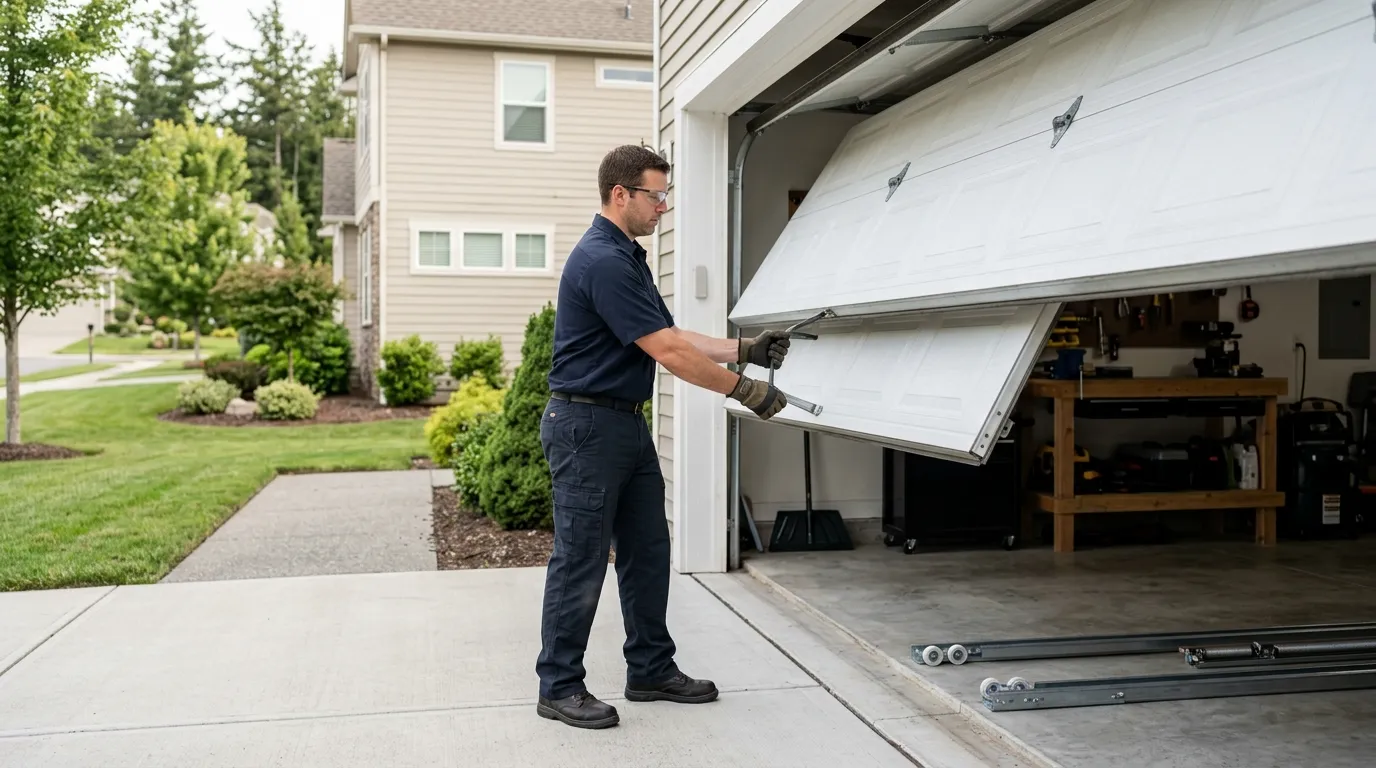
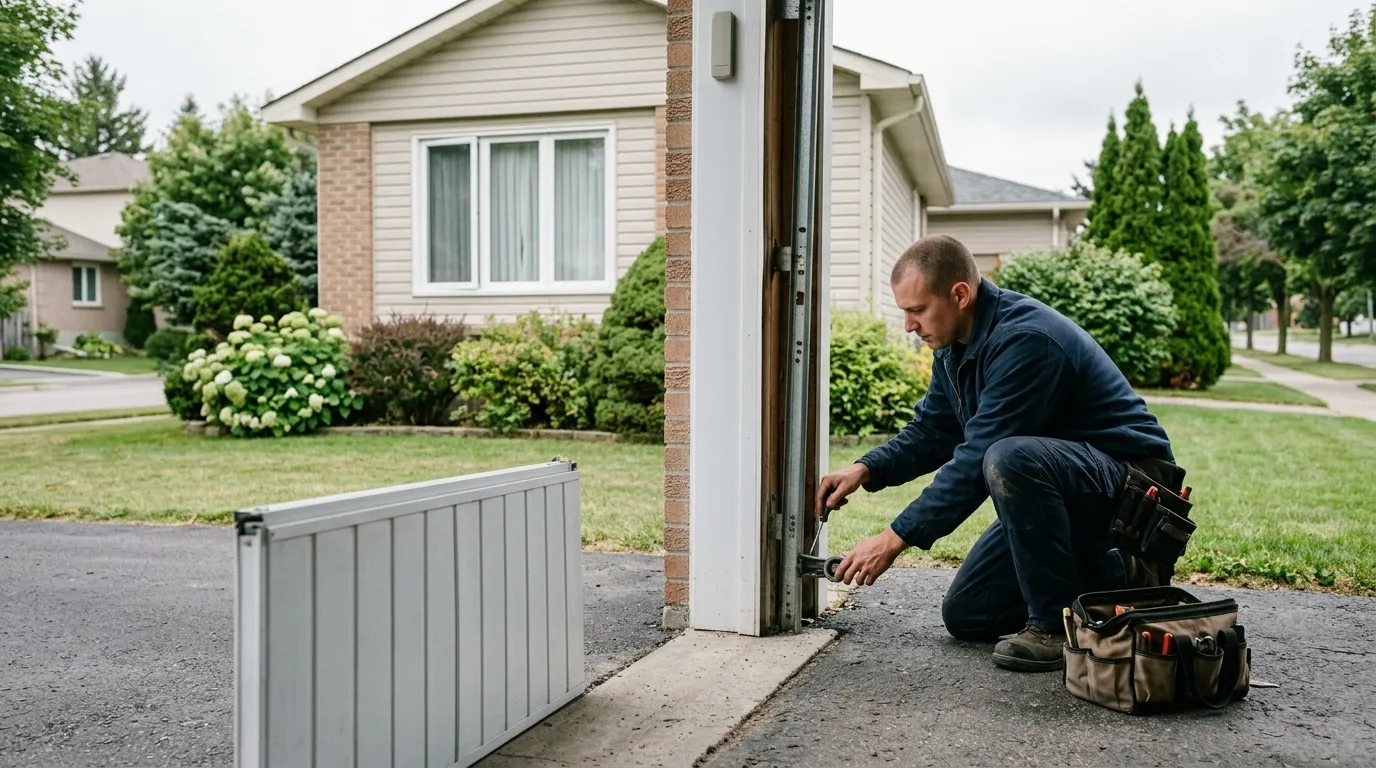
Recent Work Near Ridgefield
Frequently Asked Questions
Do you have a location in Ridgefield?
No. We run out of Wayne and cover Ridgefield from there, about 15 miles out. We don't keep a second shop or drop point in town, so scheduling accounts for the drive rather than a local base.
Why does my opener keep failing even though the door itself seems fine?
A lot of Ridgefield's openers are retrofits added after the original 1950s-era construction, and many of those units are now old enough that motors and circuit boards are simply wearing out. It's common for the door and track to be sound while the opener is the actual failure point.
Is it worth repairing a door this old or should I just replace it?
Depends on what's failed. Spring, cable, and roller issues are usually worth fixing on a door this age. If a panel is rusted through or badly dented, matching parts for a late-1950s door can be hard to find, and full replacement often makes more sense than a patch repair.
Why do you recommend insulated doors so often out here?
This area sits in a cold, severe climate band, and a lot of the original doors from the 1950s build era were single-layer steel with no insulation. Swapping to an insulated door doesn't fix a broken door, but it cuts the draft and the heating cost that comes with an uninsulated one.
Get Your Door Fixed in Ridgefield
Call now for same-area service.