
Nearby Community
Garage Door Service for Jefferson, NJ
Serving Jefferson from Wayne, 15 miles out. Jefferson's housing runs newer than most of the service area, and that changes what breaks on the door.
- Licensed & Insured
- Same-Area Service Calls
- Upfront Pricing
Garage Door Services in Jefferson
Garage Door Opener Installation
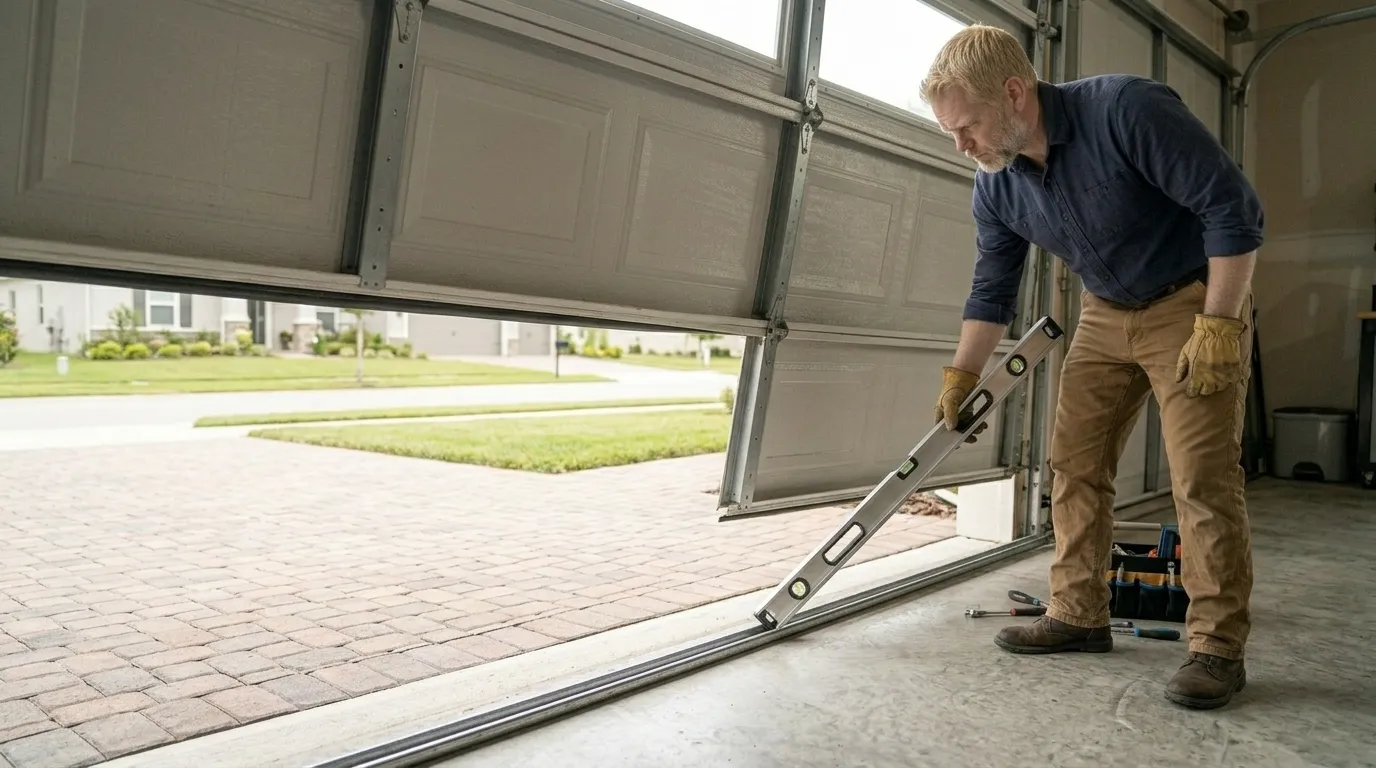
New openers sized to your door and set up with the safety sensors dialed in.
Learn more →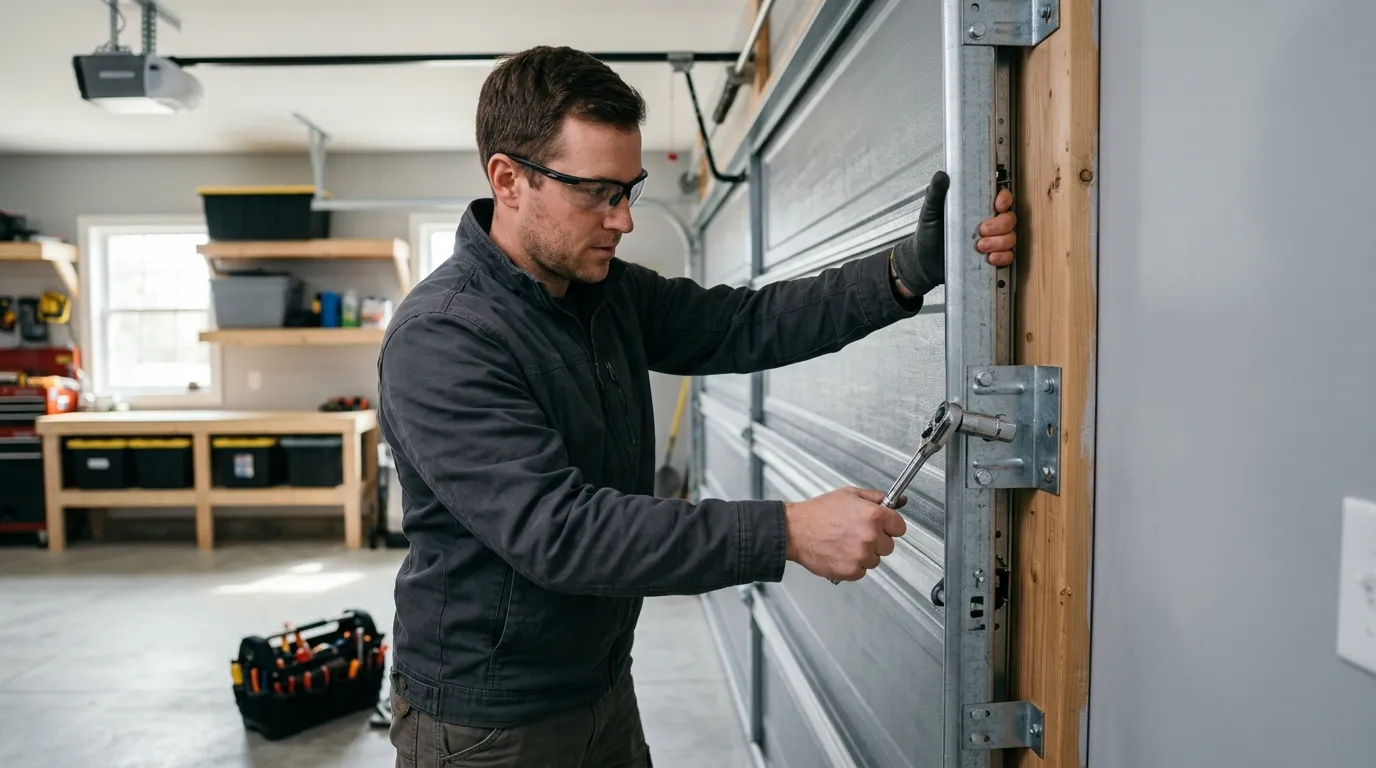
Garage Door Opener Repair
Openers that hum, stall, or reverse - diagnosed and fixed, from worn gears to logic boards.
Learn more →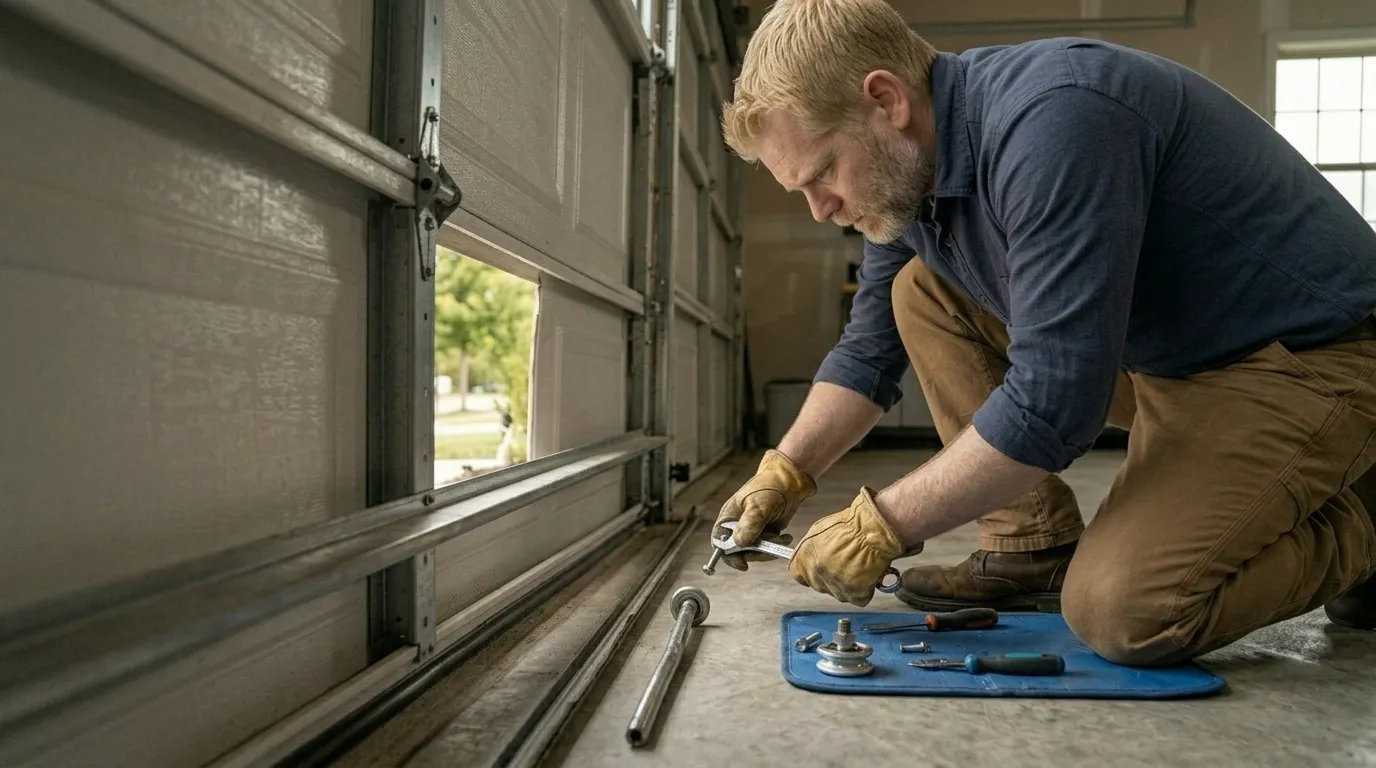
Garage Door Panel Replacement
Dented or cracked panels swapped without replacing the whole door where the frame is sound.
Learn more →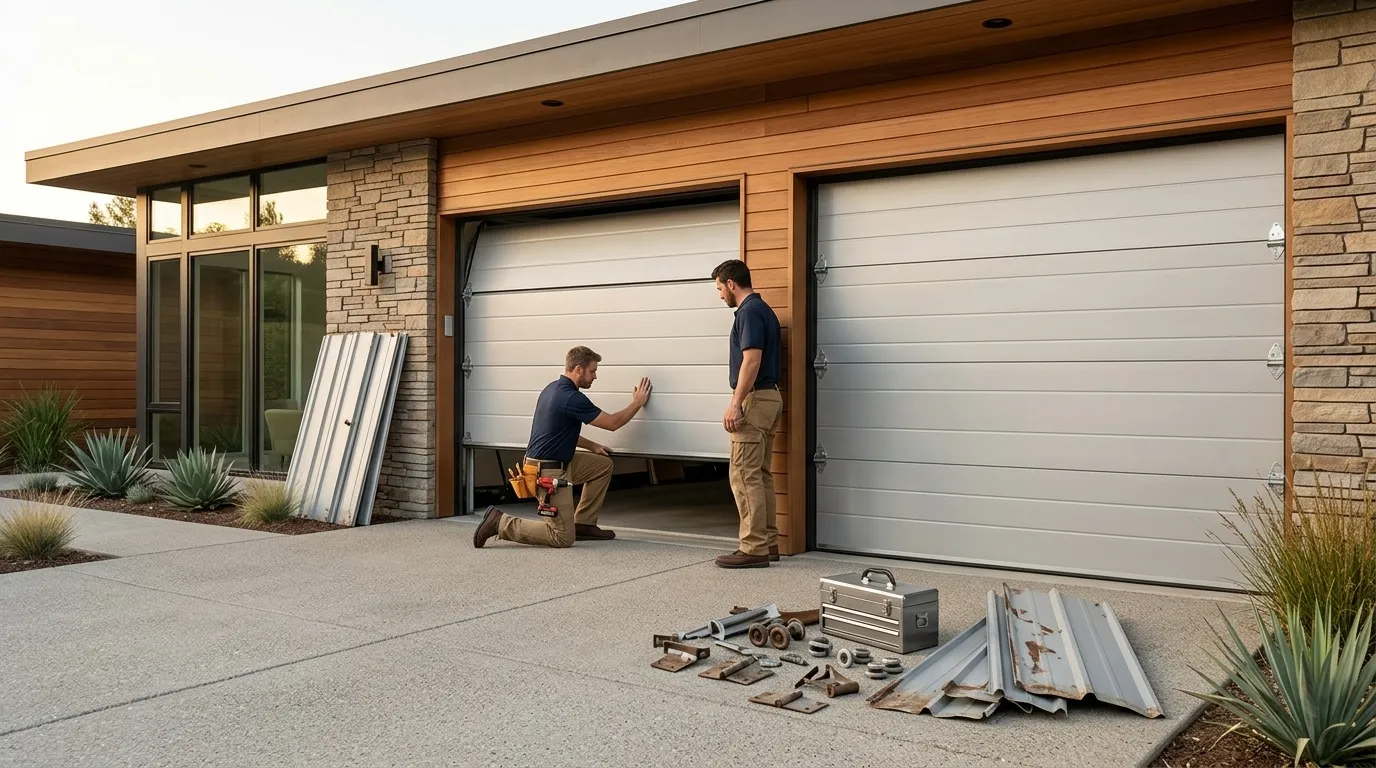
Garage Door Cable Repair
Frayed or snapped lift cables replaced and tensioned so the door lifts level and safe.
Learn more →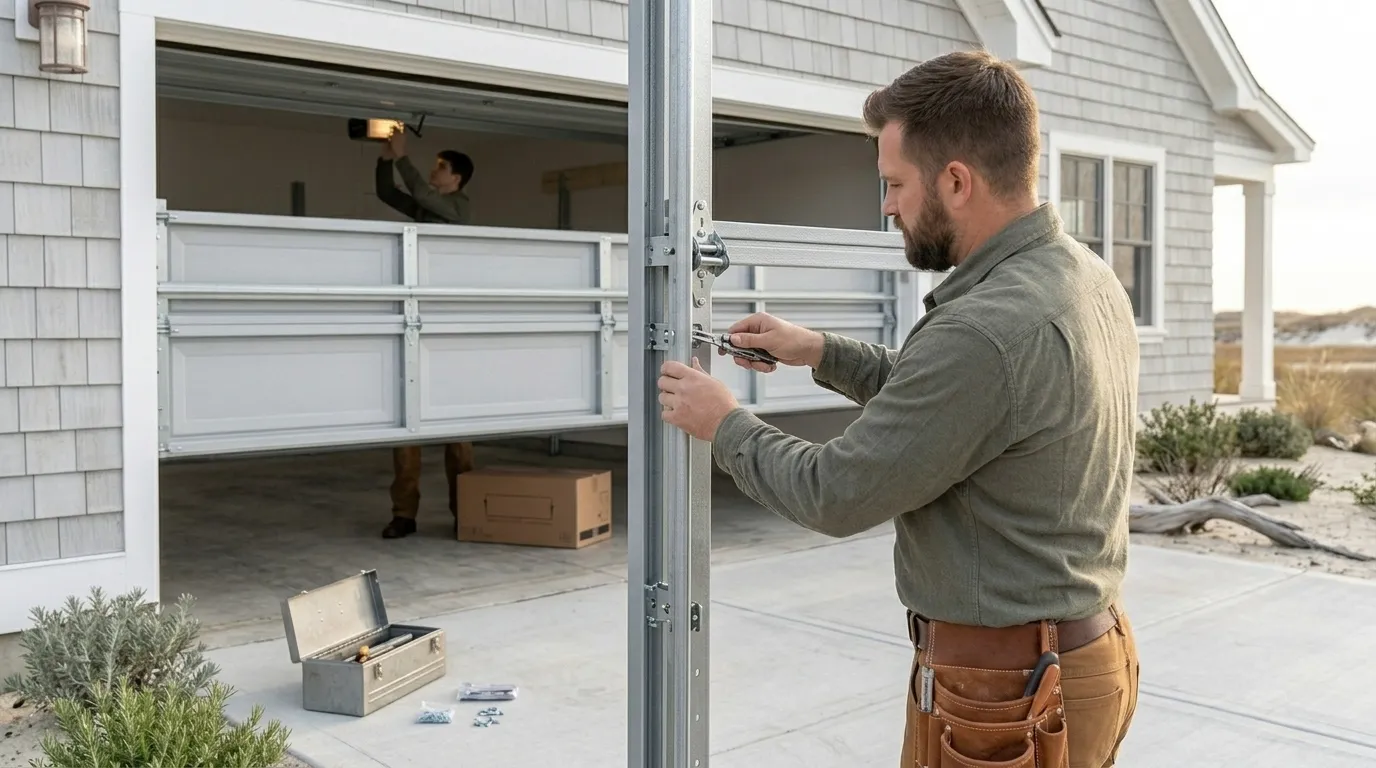
Garage Door Service
Tune-ups, lubrication, and safety checks that catch a small problem before it becomes a service call.
Learn more →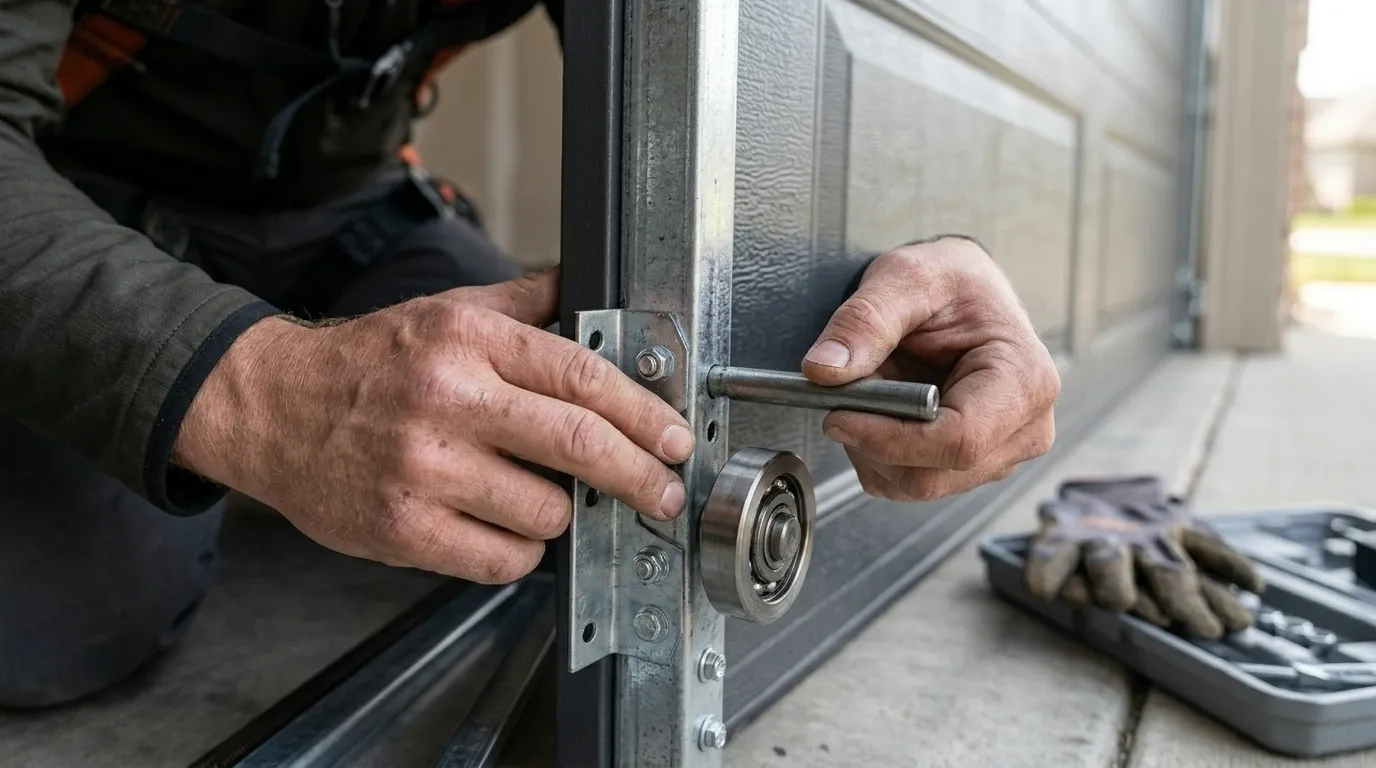
Garage Door Repair
Springs, cables, tracks, rollers, and openers fixed by a tech who explains the problem before touching anything.
Learn more →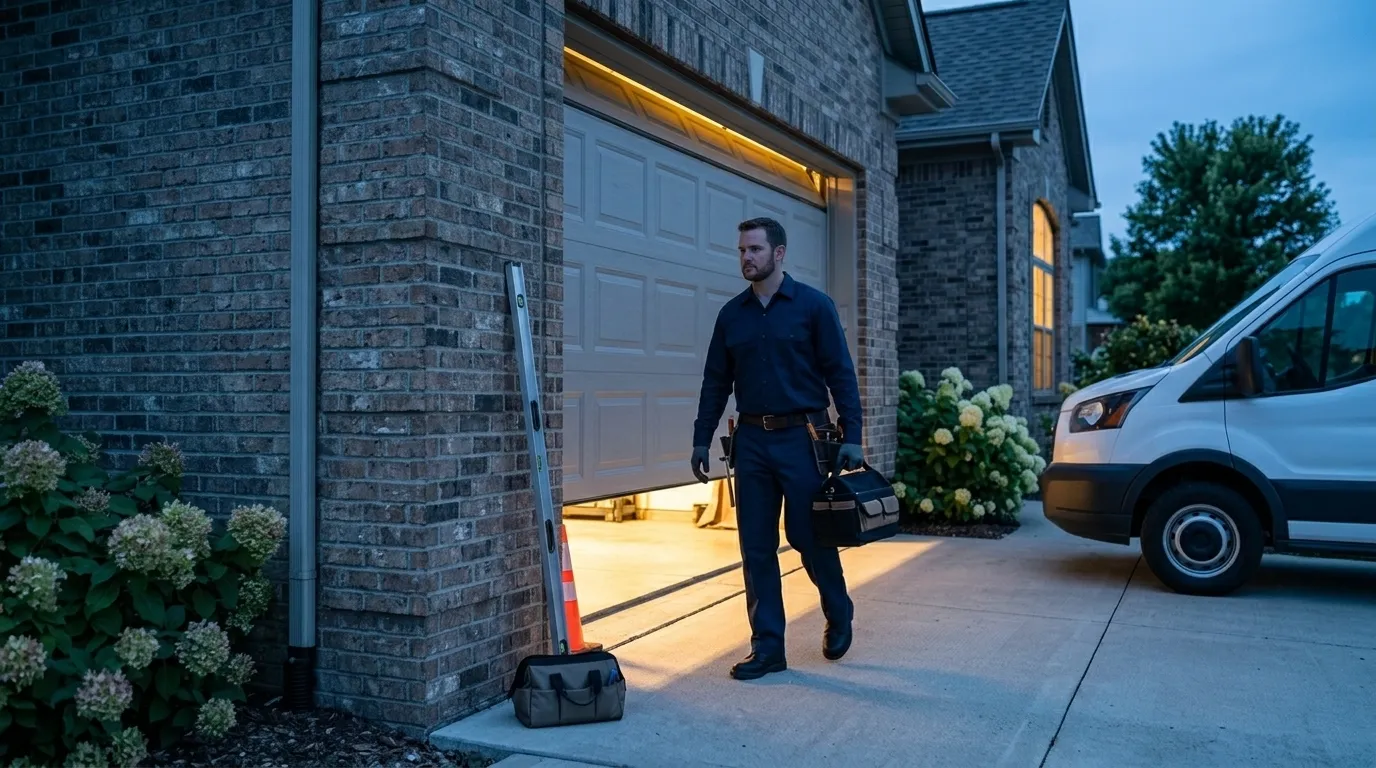
Garage Door Installation
New sectional doors sized and installed for the housing stock actually built in this area.
Learn more →The Drive Over
We run out to Jefferson from our shop in Wayne, about 15 miles each way. That's a longer haul than most of the towns we cover, so if you call late in the day, we're upfront about it - we'd rather tell you the truck can get there tomorrow morning than promise something we can't hit in traffic on Route 23.
We don't have a location in Jefferson itself. What we have is a truck that comes when you call and a habit of showing up with the right spring and the right opener board, because the drive is too long to make twice for a part we should have brought the first time.
Jefferson sits at the edge of what we cover, and that matters more for scheduling than for the work itself. Once we're at your driveway, it's the same job we do closer to home - measuring the track, checking the spring wind, testing the opener logic. The distance just means we plan the day around it instead of squeezing it in between two nearby calls.
What People Here Ring About
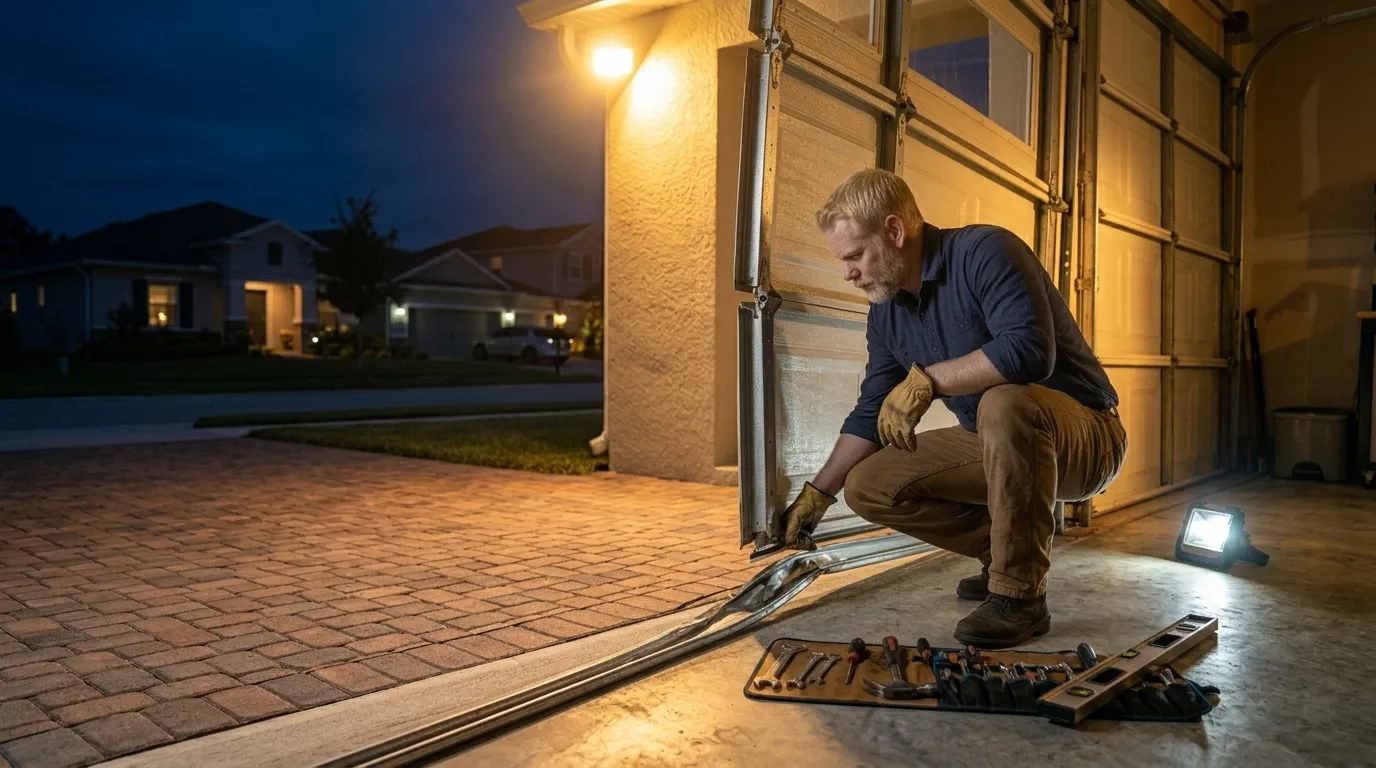
Jefferson's housing stock runs newer than most of the towns we work in. Median build year here is 1972, while the broader service area centers on 1959 with homes going back to 1938.
That ten-to-fifteen year gap is the whole story on what breaks. Homes built in the early 1970s were more likely to ship with extension-spring setups instead of the older side-mounted torsion hardware you find on 1950s builds nearby, and openers from that era's later retrofits are chain-drive units on aging logic boards, not the belt-drive systems going into new builds today.
So the calls we get from Jefferson lean toward worn extension spring cables fraying at the pulley, and chain-drive openers that have started grinding or skipping a tooth after twenty-plus years of use. It's a different failure pattern than what we see on the pre-1960 stock elsewhere in the area, where the more common call is a torsion spring that's simply reached the end of its cycle count.
How That Shows Up in the Door
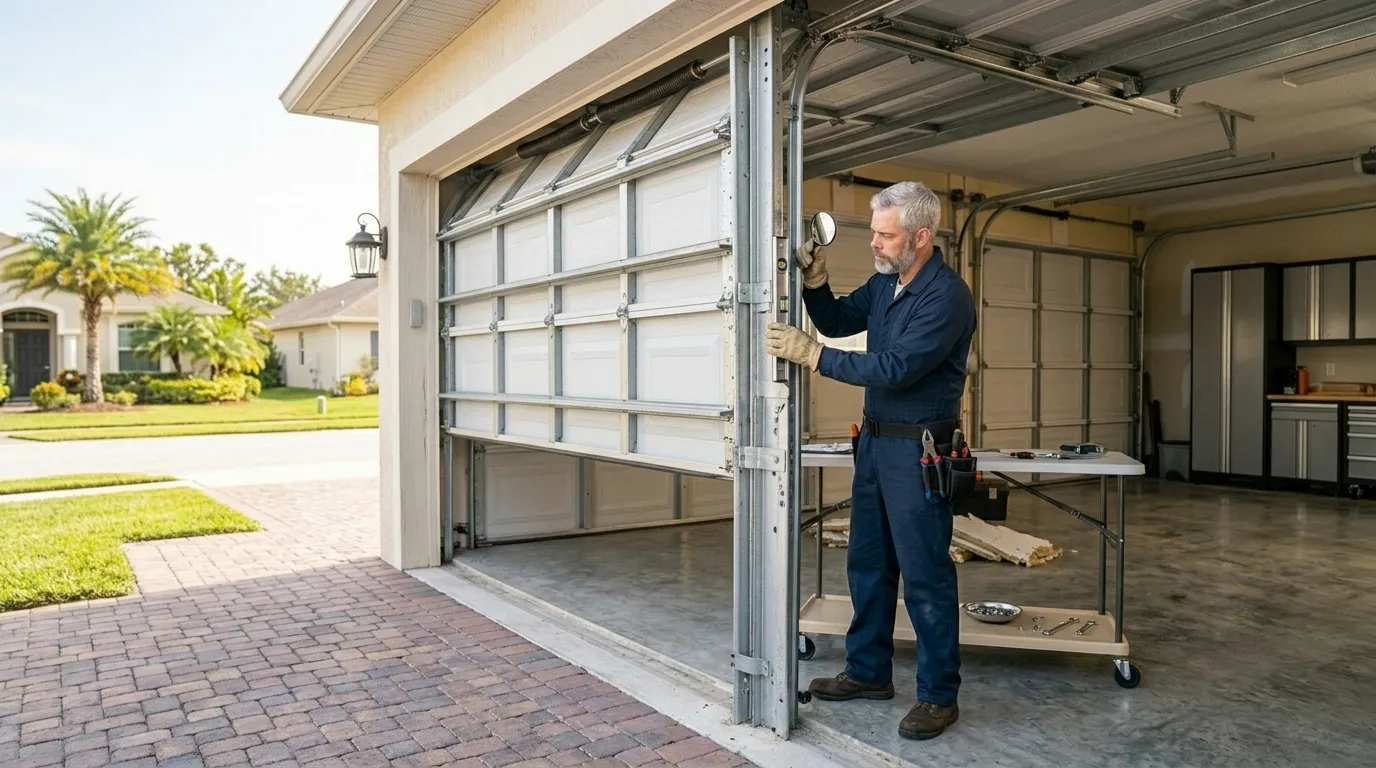
On an early-70s door, the extension springs sit above the horizontal track, one on each side, with a pulley and cable running down to the bottom bracket. When one of those cables frays or a pulley seizes, the door racks sideways as it opens - you'll see one side lift a beat before the other, or the whole panel tilt in the track. That's a hardware problem, not a spring problem, and it's a different fix than what we'd do on an older torsion-spring door where the failure is usually the spring itself giving out after years of cycles.
On the opener side, chain-drive units from that generation tend to fail at the logic board or the drive gear before the motor itself quits. If your opener runs but the door doesn't move, or it moves and stops partway with a clicking sound, that's usually the gear, not the motor - worth knowing before anyone tells you the whole unit needs replacing.
This Area's Housing
Jefferson has roughly 8,082 households, smaller than most of the towns we cover, and a median household income of $115,094 - a bit under the broader service area's $126,078. That income gap doesn't change what we charge, but it does shape a recommendation we make more often here: repair over replace when the door itself is sound and it's a hardware or opener-gear issue, rather than pushing a full swap.
The area sits in a cold-climate zone, same as the rest of what we cover, which matters for anyone with an extension-spring door - cold makes old cable and pulley hardware more likely to bind or snap on the first cold morning it's asked to do real work. If your door's original hardware from the 1970s, that's worth a look before winter, not after a cable lets go with the door halfway up.
What Happens When You Call
-
1
Call or Request a Quote
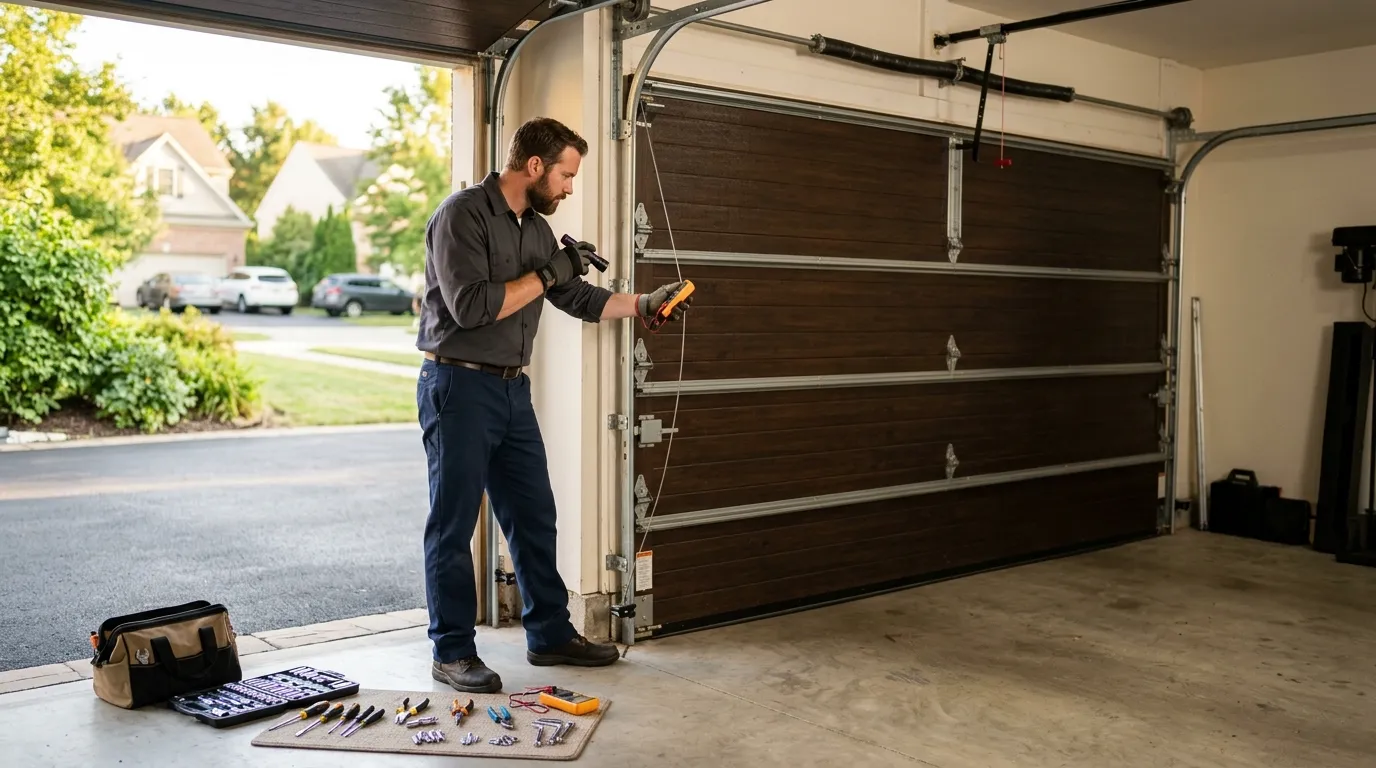
Tell us what the door is doing and roughly how old the house is - that alone points us toward the likely part before a truck leaves.
-
2
On-Site Diagnosis
A tech checks the spring, cables, tracks, and opener in person and tells you plainly what is actually wrong.
-
3
Straight Price, No Surprises
You get a number before any work starts. It covers parts and labor, nothing added after the fact.
-
4
Fixed the Same Visit
Most repairs are done in one trip. If a part needs sourcing, we tell you that upfront instead of guessing.
Recent Work Near Jefferson
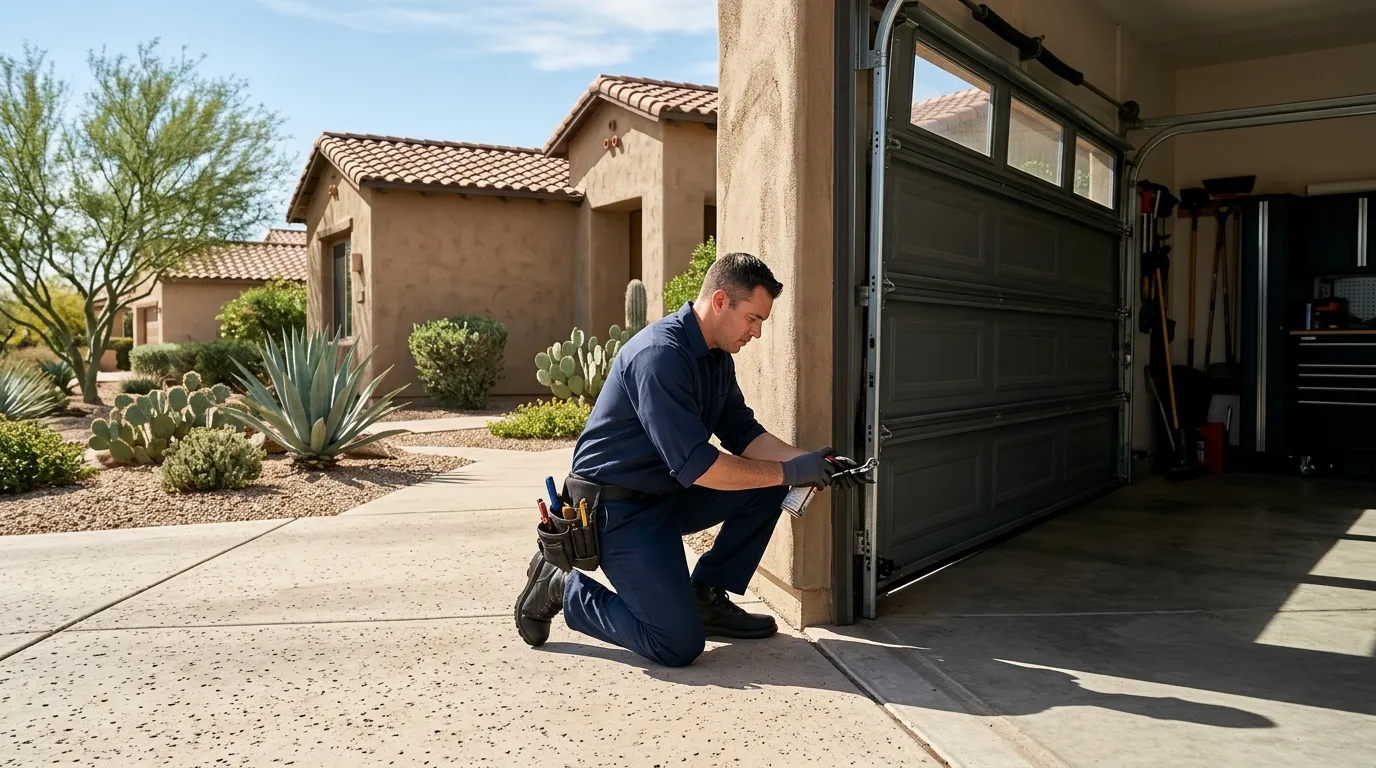
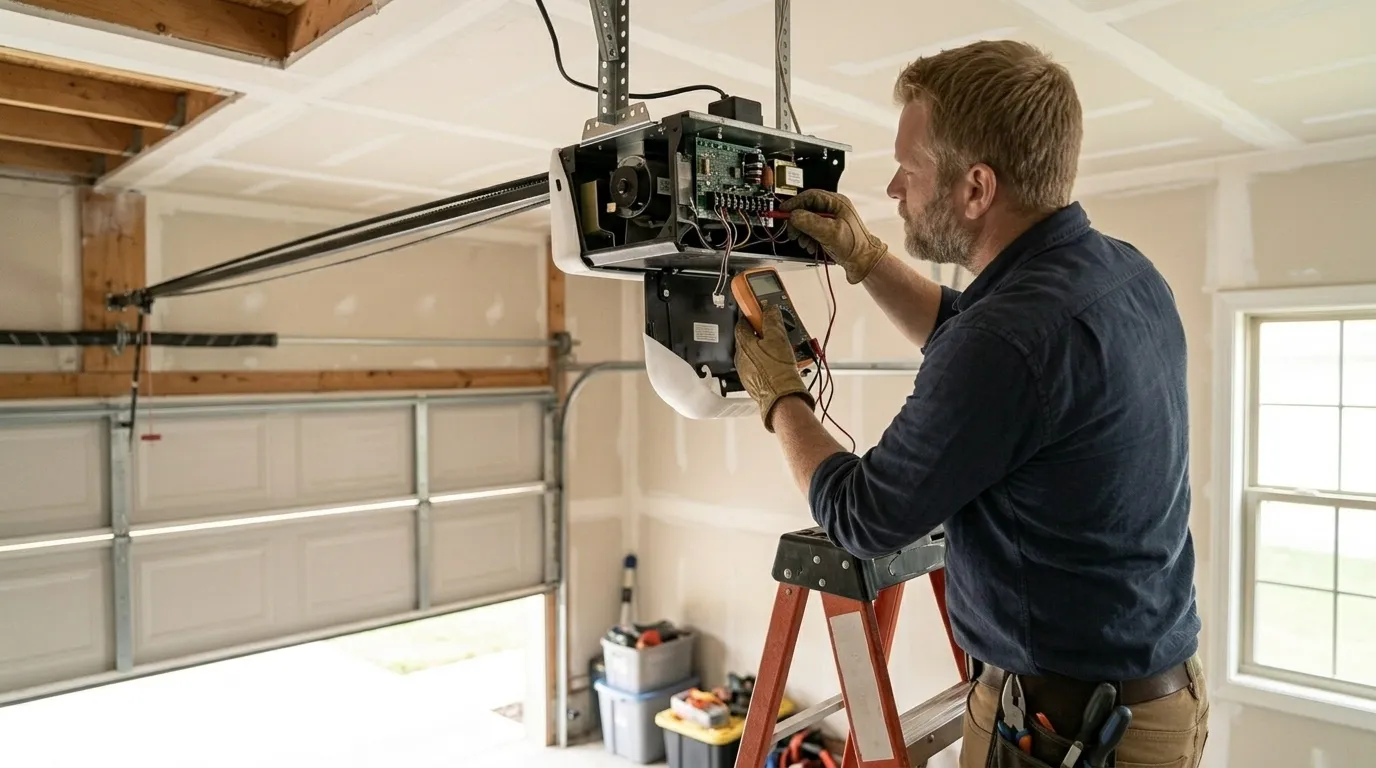
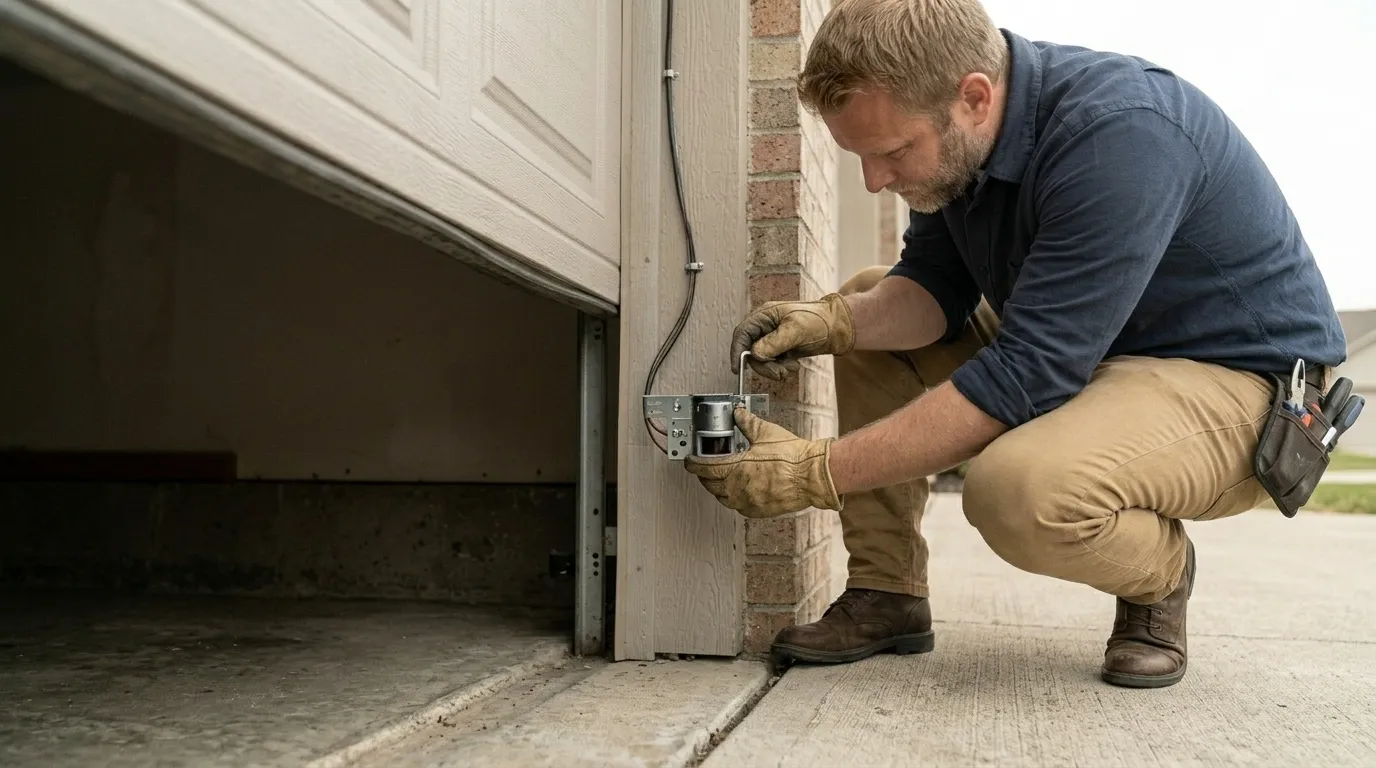
Frequently Asked Questions
Do you have a shop in Jefferson?
No. We're based in Wayne and drive out to Jefferson, about 15 miles each way. We don't stage a truck locally here, so scheduling depends on the day's route - call and we'll tell you straight whether we can make it same-day or need to plan for the next one.
Why does my opener grind instead of just running quietly?
On the chain-drive openers common in homes built around the early 1970s in Jefferson, a grinding or skipping sound usually points to the drive gear wearing out, not the motor. It's a smaller fix than a full opener swap if caught before the gear strips completely.
My door tilts to one side when it opens - is that a spring?
Possibly, but on an extension-spring door - common in Jefferson's 1970s-era builds - a tilt usually means a frayed cable or seized pulley on one side rather than a spring failure. It's a different repair than what we'd do on an older torsion-spring setup.
Should I just replace the whole door instead of fixing the hardware?
Not usually, if the panel itself is sound. Most of what we see failing on Jefferson's newer housing stock is cable, pulley, or opener-gear hardware - repairable parts - rather than the door structure. We'll tell you honestly if a repair isn't worth it, but that's the exception here, not the rule.
Get Your Door Fixed in Jefferson
Call now for same-area service.