Nearby Community
Garage Door Repair for Fort Lee Homes
Wayne Garage Door Pros drives 17 miles to Fort Lee for spring, opener, and track repairs on homes built mostly after 1970 - later stock than most of our coverage area.
- Licensed & Insured
- Same-Area Service Calls
- Upfront Pricing
Garage Door Services in Fort Lee
Garage Door Opener Repair
Openers that hum, stall, or reverse - diagnosed and fixed, from worn gears to logic boards.
Learn more →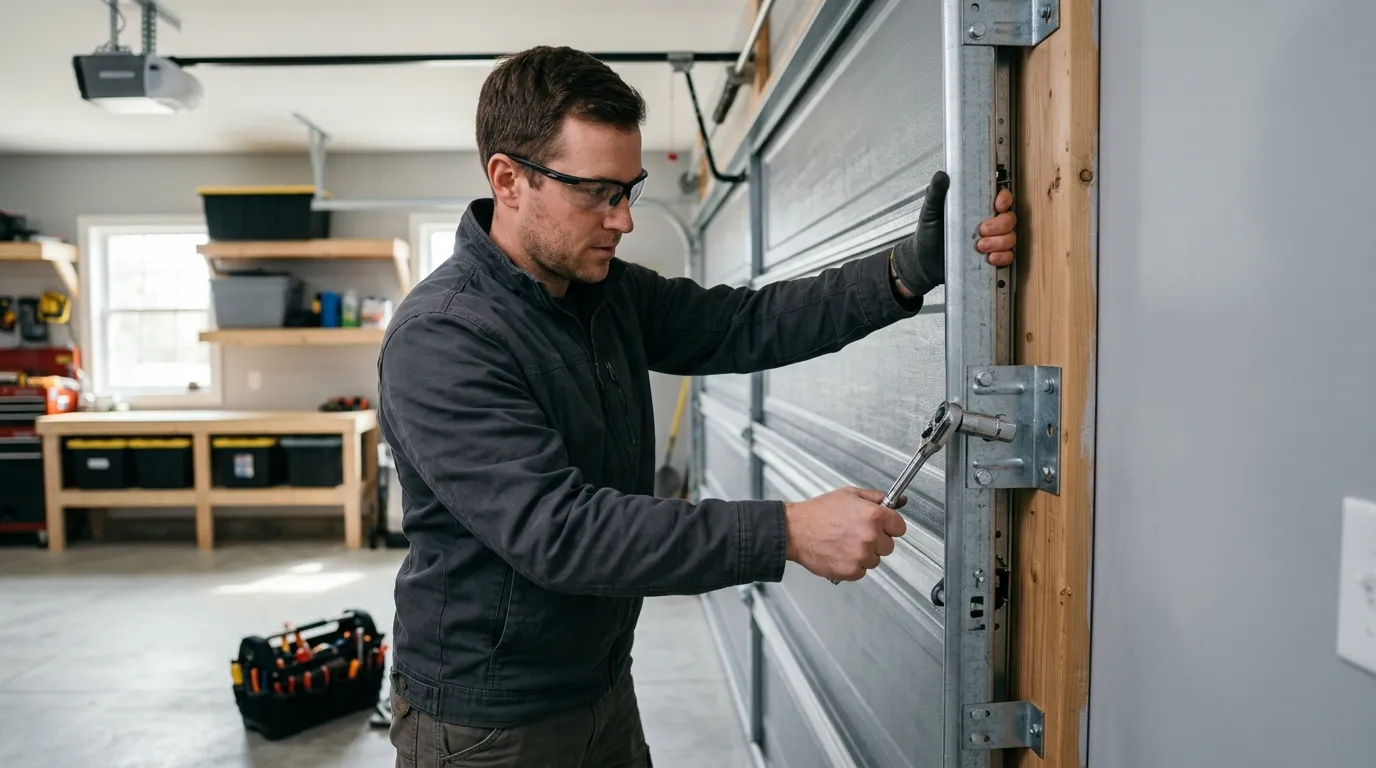
Garage Door Installation
New sectional doors sized and installed for the housing stock actually built in this area.
Learn more →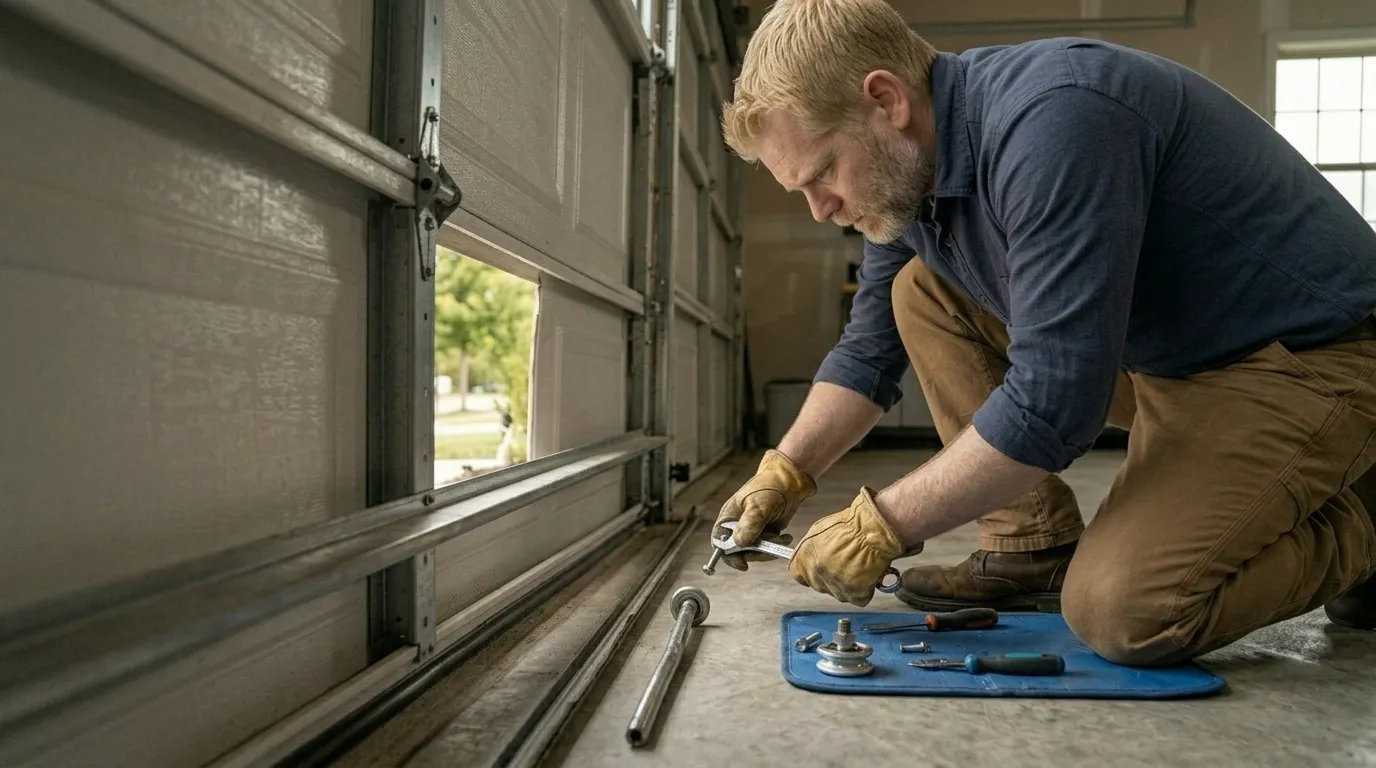
Garage Door Service
Tune-ups, lubrication, and safety checks that catch a small problem before it becomes a service call.
Learn more →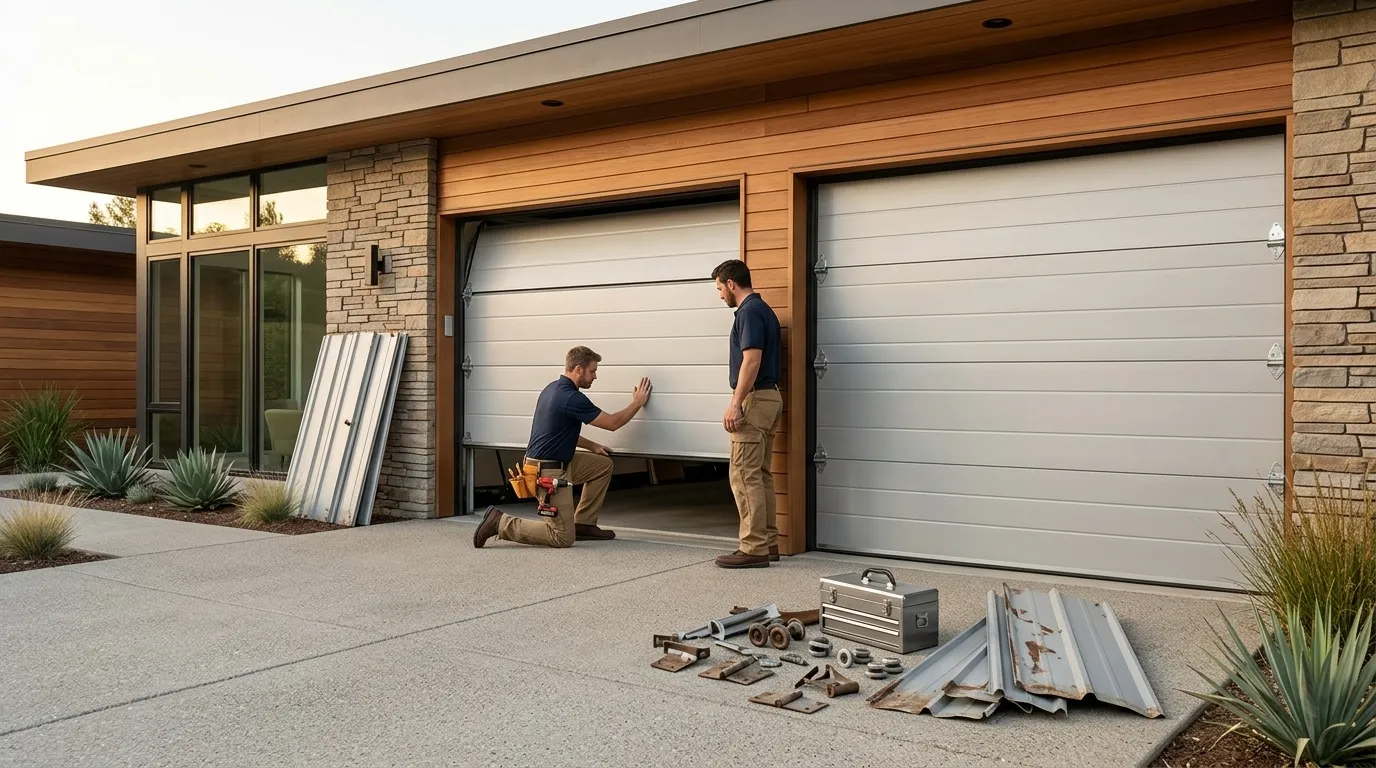
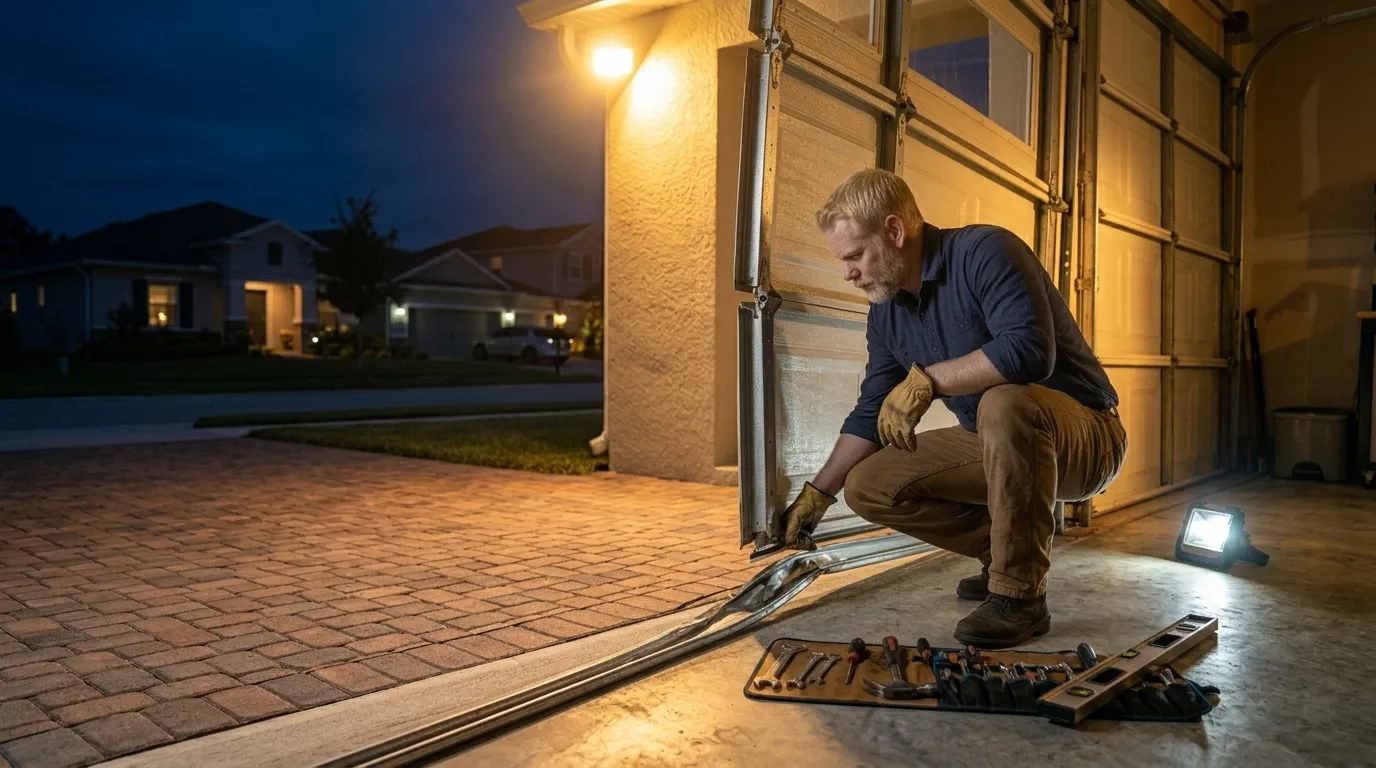
Garage Door Off Track
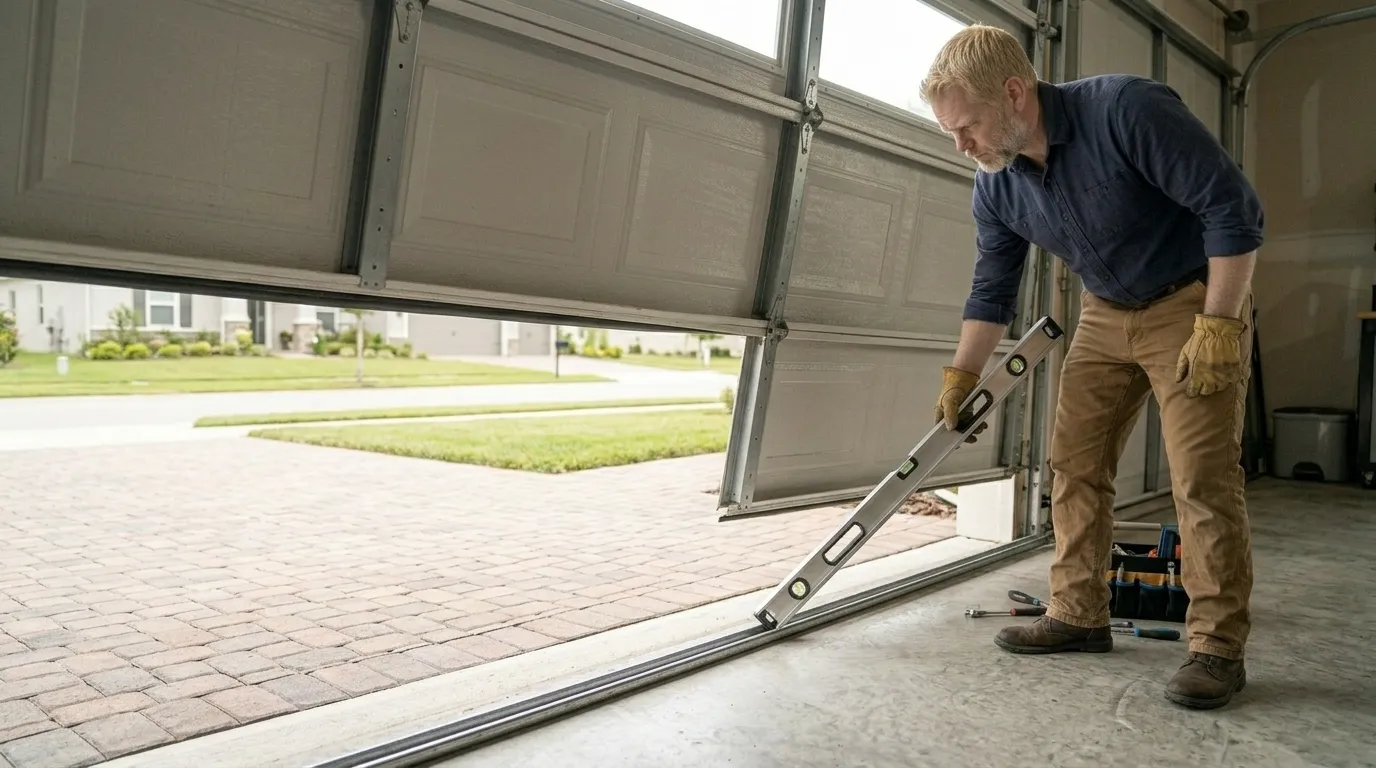
Doors that jumped the track reset safely, with rollers and alignment checked so it holds.
Learn more →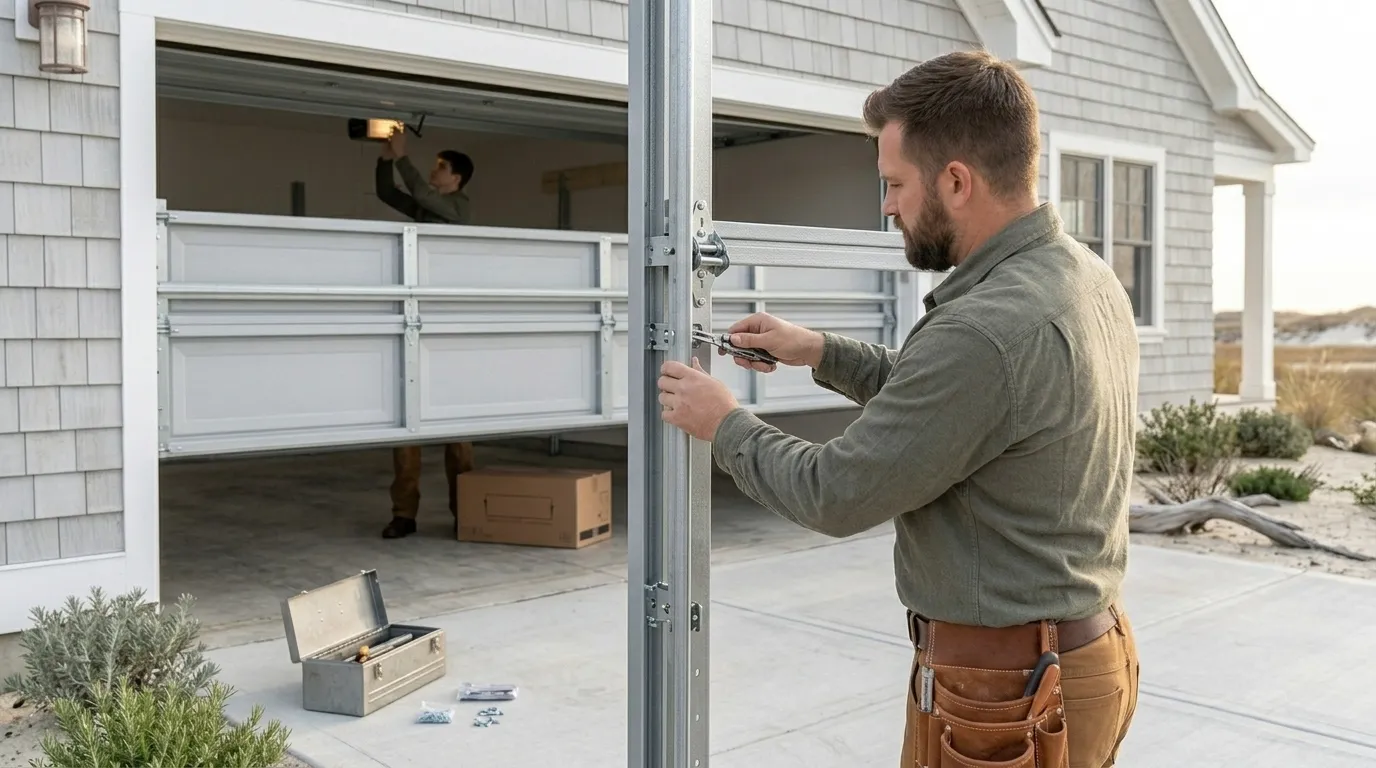
Garage Door Panel Replacement
Dented or cracked panels swapped without replacing the whole door where the frame is sound.
Learn more →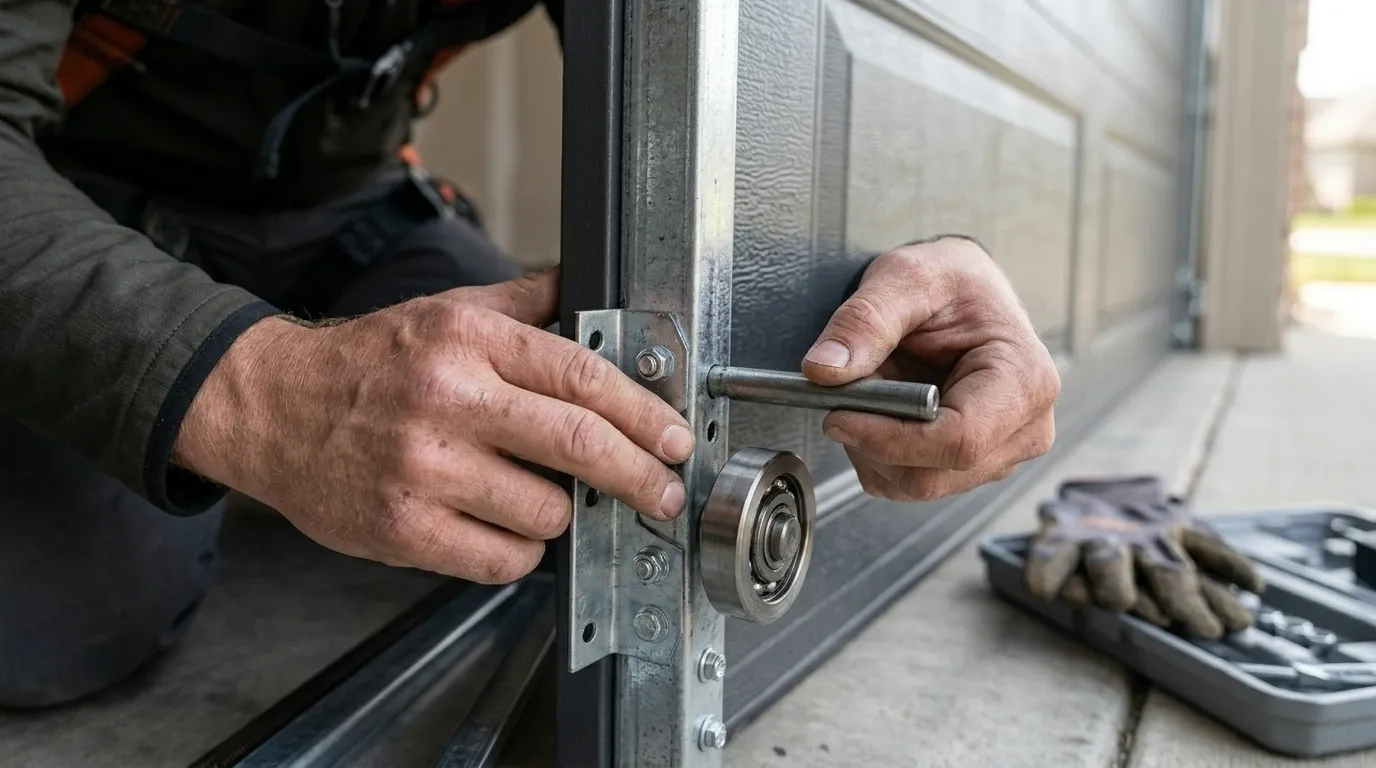
Garage Door Cable Repair
Frayed or snapped lift cables replaced and tensioned so the door lifts level and safe.
Learn more →
Garage Door Repair
Springs, cables, tracks, rollers, and openers fixed by a tech who explains the problem before touching anything.
Learn more →
Garage Door Opener Installation
New openers sized to your door and set up with the safety sensors dialed in.
Learn more →The Drive Over
We run out of Wayne, and Fort Lee sits about 17 miles from the shop - farther than most of the towns we cover day to day. We don't pretend to have a truck parked around the corner. What we do have is a crew that knows this run and books the trip with enough padding that a job here doesn't get squeezed at the end of the day.
Because it's a longer haul, we ask a few more questions on the phone before we come - what the door is doing, whether it's a spring, an opener, or something binding in the track - so the truck that shows up has the right parts on it the first time. That's not local hustle talk, it's just how you make a 17-mile round trip work for both of us.
We're not going to claim same-day on every call from here. Some days it's same day, some days it's the next slot we've got open after the closer jobs. If timing matters, say so up front and we'll tell you straight what's realistic.
What People Here Ring About
Across our wider coverage area, most of the housing stock dates to 1938 through 1996, with a median build year of 1959 - old torsion setups, old brackets, doors that have outlived their original hardware twice over. Fort Lee runs later. The typical home here was built around 1970, which puts a good chunk of the housing stock past the oldest wave of postwar construction and into a different generation of garage door and opener.
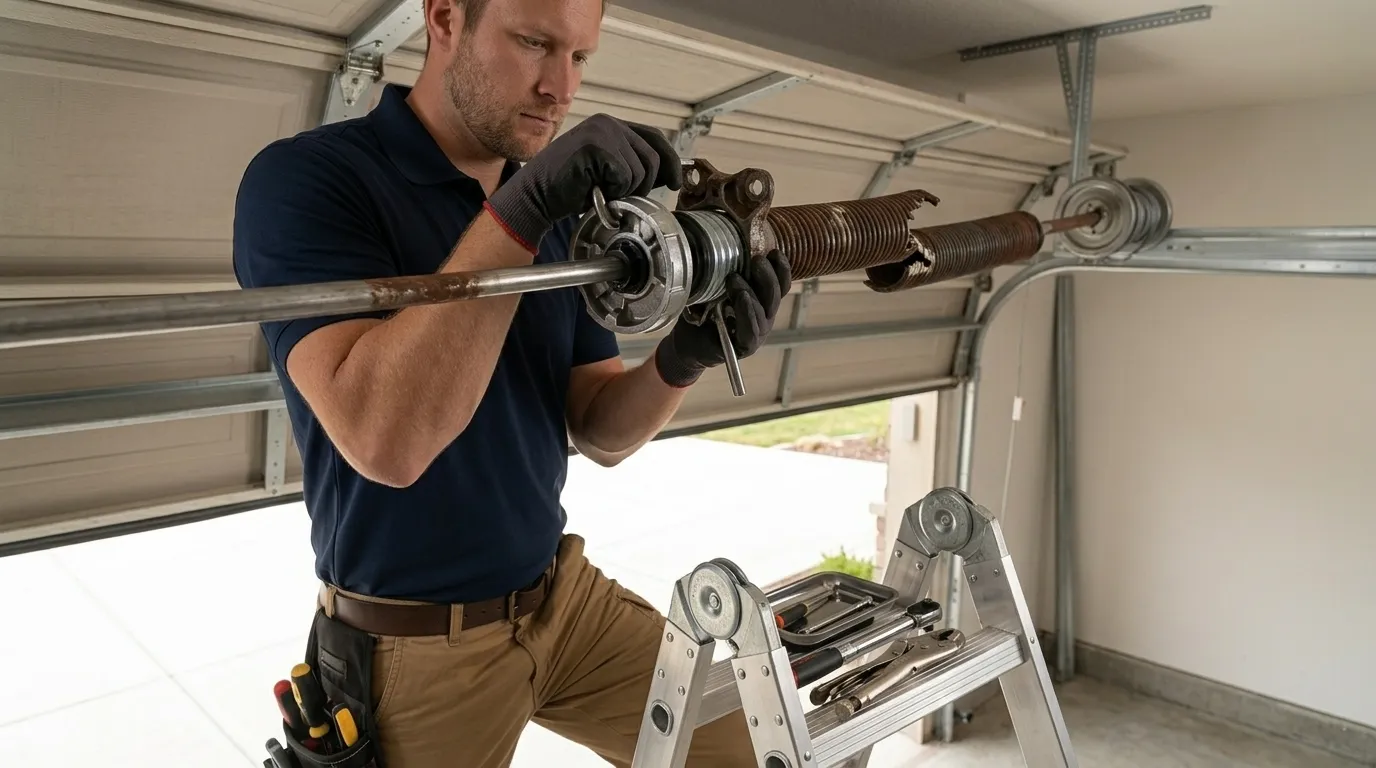
That later build year shows up in the calls. Instead of the ancient side-mounted torsion units we deal with in the older pockets of our territory, Fort Lee calls skew toward chain-drive openers from the 70s and 80s that have finally worn through a gear, and torsion springs on standard headroom tracks rather than the odd low-headroom rigs you find in the 1940s stock. Cables fraying at the bottom bracket and rollers seizing in steel track are the other regulars.
We also get the standard cold-weather stuff - springs losing tension faster in winter, openers struggling on the coldest mornings - same as anywhere in this climate band, but the door failures underneath it trace back to the age of the house, not the season.
How That Shows Up in the Door
A door installed around 1970 usually means a torsion spring system on standard-height track, not the odd conversions you see on the 1940s houses. The parts are more common, which is good news - we're not hunting down obsolete brackets as often here as we are elsewhere in our territory.
What wears out first on a door this age is usually the opener, not the door itself. A chain-drive unit from that era, even one replaced once already, tends to be on its second or third motor by now, and the logic board and safety sensors are the first things to go. We also see torsion springs that have simply cycled out - they're rated for a number of open-close cycles, and a 50-plus-year-old door has usually used most of them up.
One honest limit: if the opener is original to a 1970s install and the circuit board has failed, we often can't get an exact factory replacement part. In that case we're usually recommending a new operator rather than chasing a board that's been out of production for decades. It's a straighter path and it doesn't leave you waiting on a special order.
This Area's Housing
Fort Lee has around 18,531 households, with a median household income near $105,535 - lower than the broader service area's median of $126,078, which tends to mean more owners looking to repair a working door rather than replace it outright, at least until the repair costs start stacking up.
The 1970 median build year puts this area on the newer edge of our coverage, which runs from houses as old as 1938 up through 1996 overall. That gap matters for parts. Homes from the 1970s wave were mostly built with torsion spring systems already standard, so we're rarely dealing with the extension-spring conversions or non-standard track heights that show up in the pre-1950 stock closer to the older core of our territory.
Winters here sit in the same cold, severe climate band as the rest of our coverage, so the seasonal spring-tension and opener-strain issues are consistent no matter the build year - it's the underlying hardware generation that changes what actually breaks first.
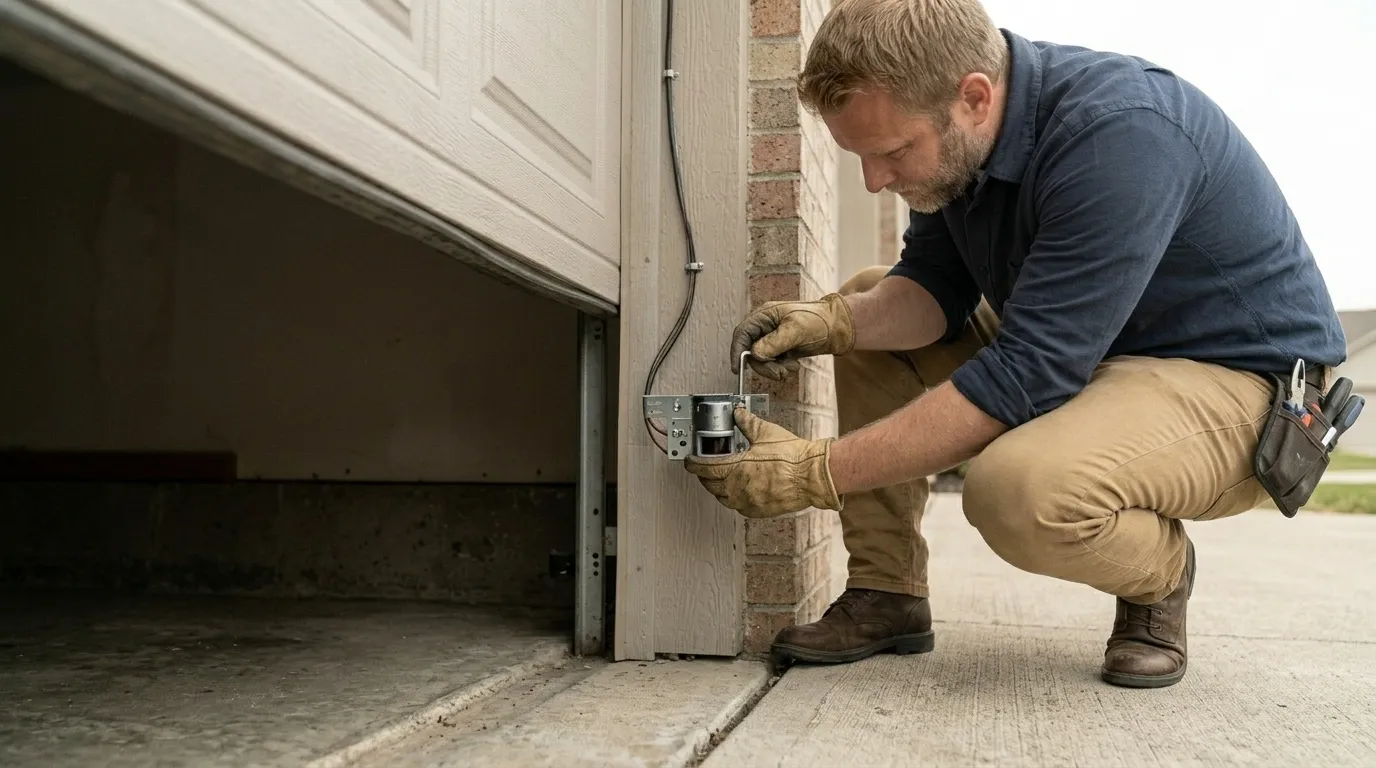
What Happens When You Call
-
1
Call or Request a Quote
Tell us what the door is doing and roughly how old the house is - that alone points us toward the likely part before a truck leaves.
-
2
On-Site Diagnosis
A tech checks the spring, cables, tracks, and opener in person and tells you plainly what is actually wrong.
-
3
Straight Price, No Surprises
You get a number before any work starts. It covers parts and labor, nothing added after the fact.
-
4
Fixed the Same Visit
Most repairs are done in one trip. If a part needs sourcing, we tell you that upfront instead of guessing.
Recent Work Near Fort Lee
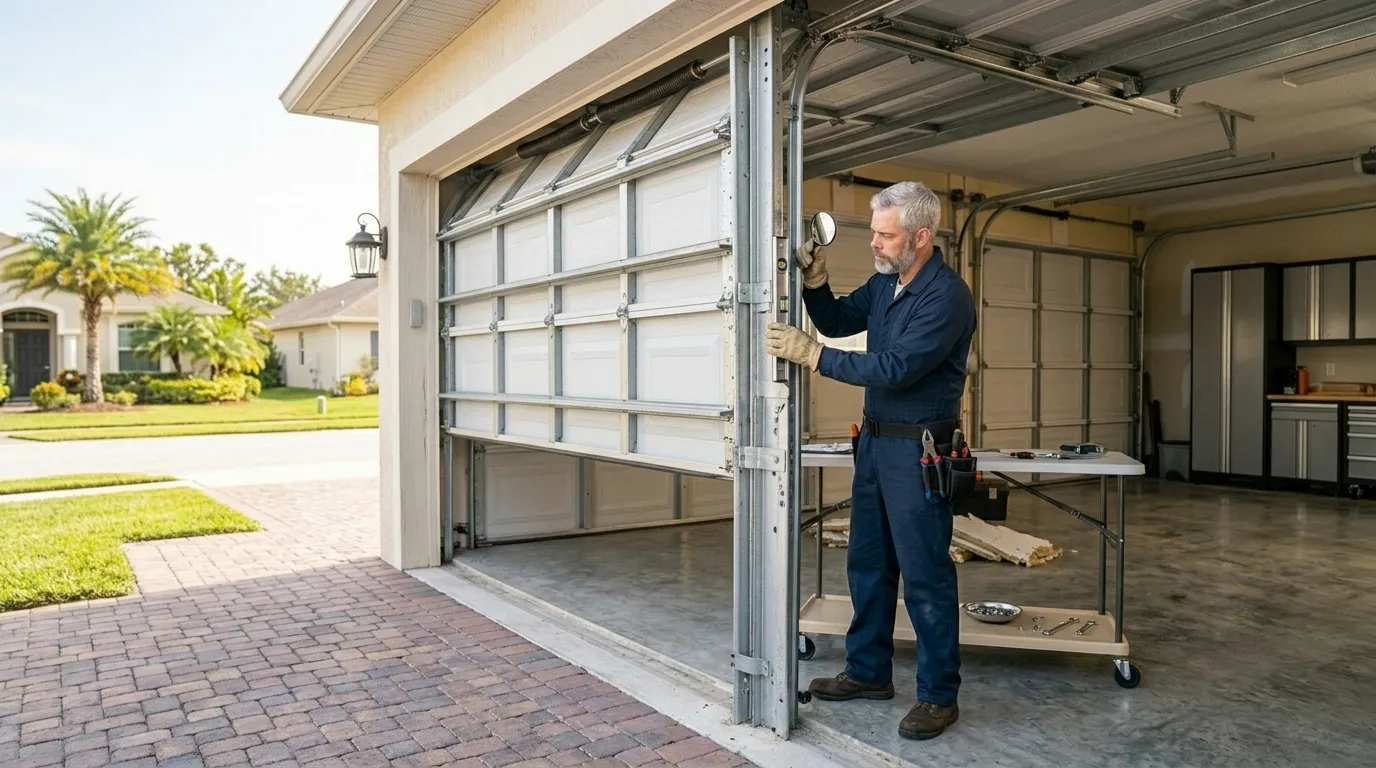
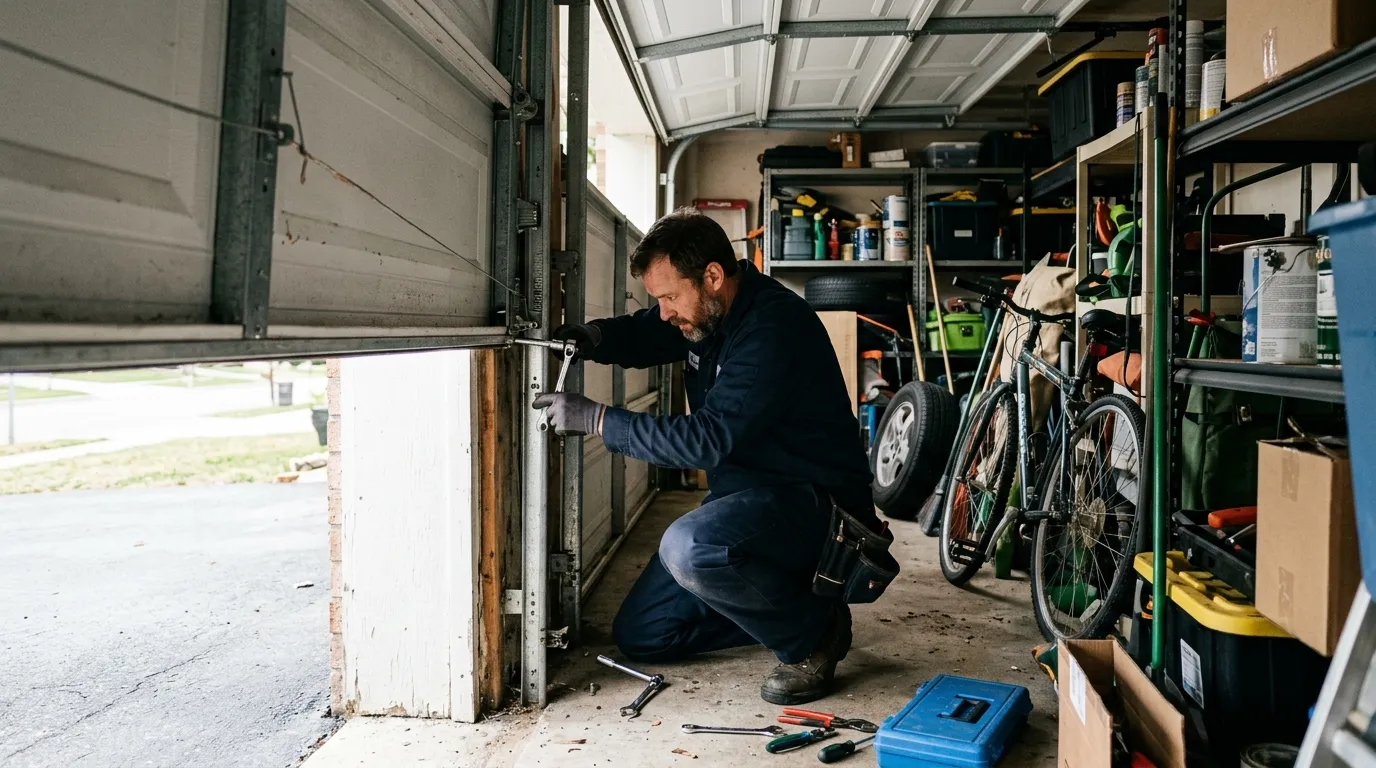
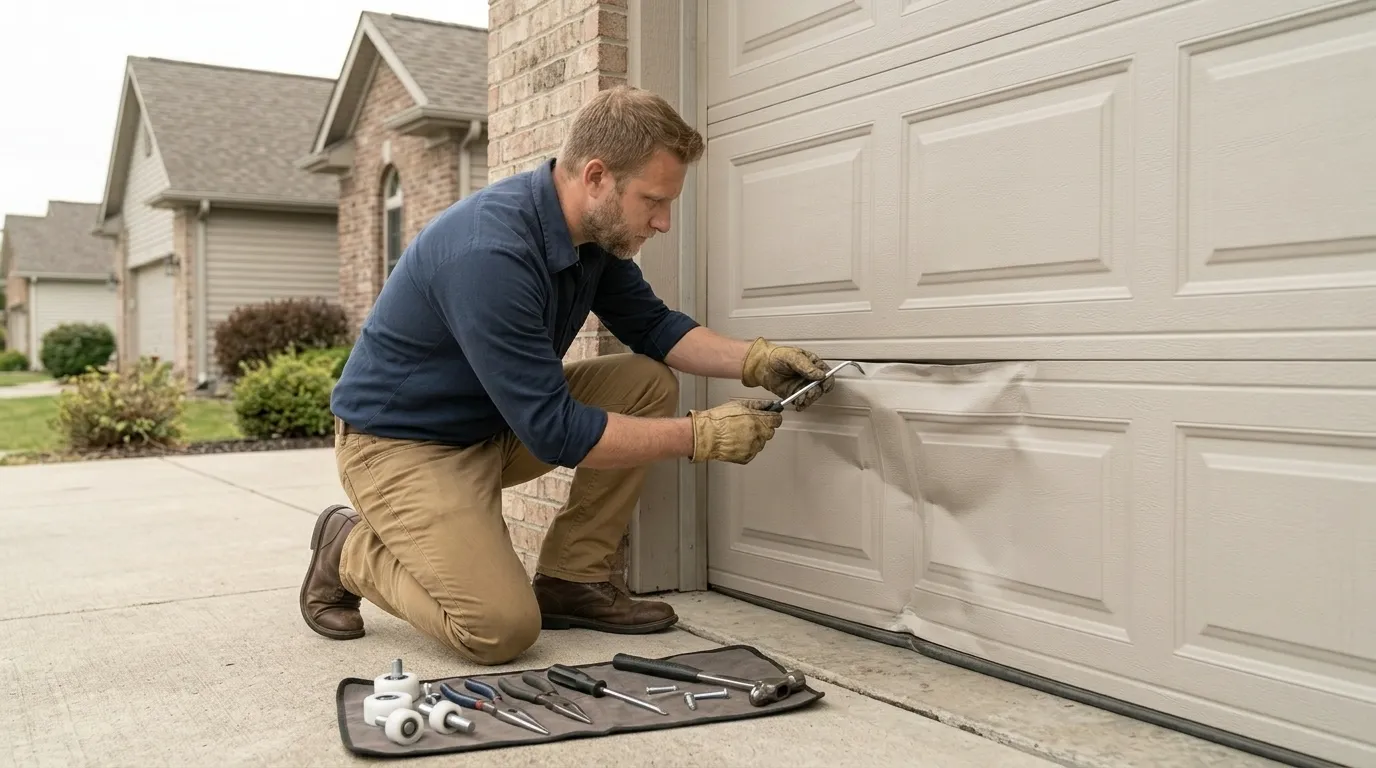
Frequently Asked Questions
Do you have a location in Fort Lee?
No. We run out of Wayne, about 17 miles away, and drive over for every Fort Lee call. We don't claim a local depot or same-day guarantee - we tell you honestly whether we can get there today or the next open slot, and we bring the right parts based on what you describe over the phone.
Why does my 1970s opener keep failing instead of the door itself?
On houses from that era the door hardware, usually a torsion spring on standard track, tends to outlast the opener. Chain-drive units from the 1970s and 80s are often on their second or third motor by now, and circuit boards from that period are the first parts to fail for good.
Can you get an exact replacement board for an old opener?
Sometimes, but not always. Boards for openers from the 1970s wave are often out of production. When we can't source an exact match, we're usually honest that a new operator is the straighter fix rather than chasing a discontinued part for weeks.
Is my house too new for the old torsion spring problems you mention?
Mostly yes. A 1970 build typically came with standard-height torsion track from the start, so you're less likely to have the low-headroom or extension-spring conversions common in the pre-1950 homes elsewhere in our coverage area. Your failures are more likely age-of-cycle than age-of-design.
Get Your Door Fixed in Fort Lee
Call now for same-area service.